

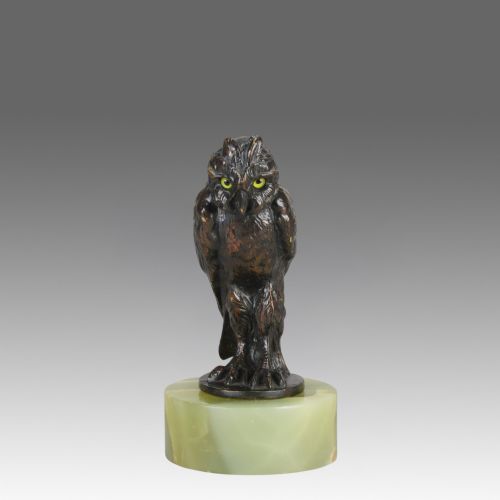


Cold Painted Bronze Miniature
These cold painted bronze miniature pieces bring small animals, figures, and desk accessories to life through delicate polychrome details.
Cold Painted Bronze Miniature
A cold painted bronze miniature captures small animals, birds, and figurative subjects in cast metal decorated with applied enamel or paint. These pieces span the nineteenth century and the early twentieth century, originating primarily from Austrian workshops.
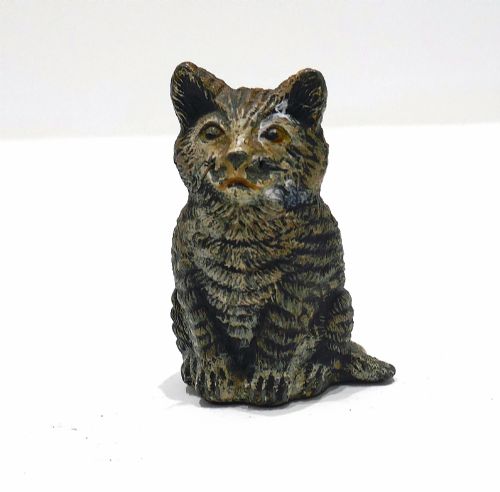
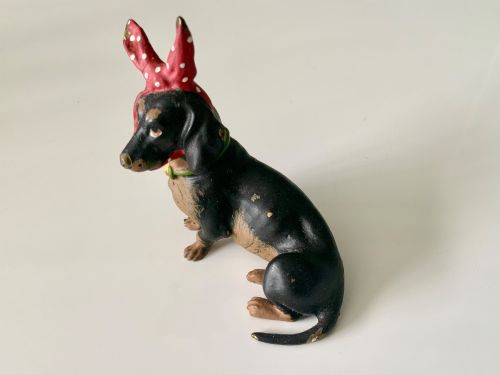
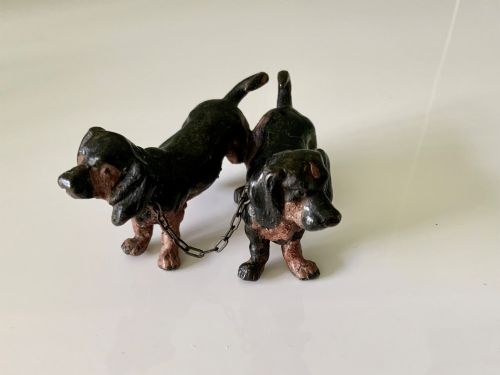
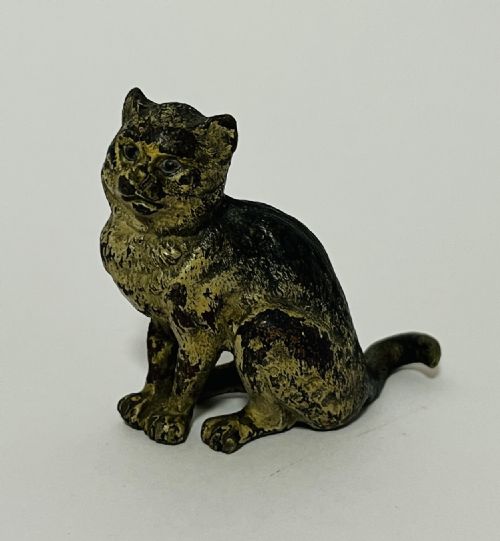
The most common examples encountered on this page take the form of small animal figurines, including dogs, cats, birds, and mice, alongside whimsical human figures and desk accessories. Many pieces originate from the turn of the century and reflect Victorian and Orientalist styles.
Collectors find everything from single animal sculptures to humorous anthropomorphic figures and miniature groups involving crystal or onyx. The scale remains consistently small, designed for cabinet display or decorative use.
How they were made
Production relied on casting molten bronze into intricate moulds to create the foundational animal or human form. Artisans then applied cold paint or cold painted enamel directly to the unheated metal surface by hand.
Unlike fired ceramics or hot enamels, the paint sits on the metal without kiln firing, requiring careful layering to achieve naturalistic colouration on feathers, fur, and clothing. Cut crystal or onyx sometimes served as secondary mounting materials for the cast bronzes.
Cold Painted Bronze Miniature Retail Price Guide 2026
Typical asking prices for cold painted bronze miniature among the pieces listed under this phrase on Sellingantiques today, from the lower quarter to the upper quarter. They describe what is for sale here now, not the wider market.
From dwarf miners with giant crystal diamonds to dogs cocking their legs, these bronzes capture Victorian humour in miniature.
What varies in quality
The finesse of the casting and the precision of the hand-applied paint dictate the distinction between standard and superior pieces. Skilled articulation in the metalwork reveals fine details such as feathers, facial expressions, and textured fur before any colour is added.
Preservation of the original cold painted surface heavily influences the desirability of a piece. Examples retaining vibrant, undisturbed enamel show superior survival through the nineteenth and twentieth centuries compared to those with extensive paint loss.
Franz Bergman·Stephan Buchinger
The Cold Painted Bronze Miniature Glossary
- Cold paint
- A non-fired pigment applied to a metal surface after casting. This technique allows for varied polychrome finishes that require careful handling to prevent flaking.
- Vienna bronze
- A category of small cast bronze sculptures produced in Austrian foundries during the late nineteenth and early twentieth centuries. These works are celebrated for naturalistic and humorous subjects.
- Desk accessory
- A functional item for the writing table, such as an inkwell or paperweight, incorporated into miniature bronze sculptures. Many feature small animal or figural groups.
- Orientalism
- An artistic style drawing inspiration from Middle Eastern and North African cultures. It appears in figures like sword merchants within this bronze tradition.
- Cut crystal
- High-clarity lead glass shaped with faceted cuts, occasionally paired with miniature bronzes to add reflective elements like giant diamonds.
Cold Painted Bronze Miniature: Frequently Asked Questions
Where were these miniature bronzes made?
The majority of these pieces originated in Austria, particularly in workshops based around Vienna during the late nineteenth and early twentieth centuries.
Foundries employed skilled modellers and painters to produce these highly detailed domestic ornaments.
How can I tell the age of a piece?
Dating relies on stylistic markers, the specific palette of the cold paint, and the natural casting characteristics typical of nineteenth-century and early twentieth-century production.
Comparing the subject matter to known period designs and foundry signatures helps establish the era of manufacture.
Are all cold painted bronzes marked with a foundry stamp?
Many pieces carry stamps or Bergman amphora marks, but a large number of antique miniatures remain completely unmarked.
Quality of the casting and pigment application serve as primary indicators of authenticity when foundry marks are absent.