

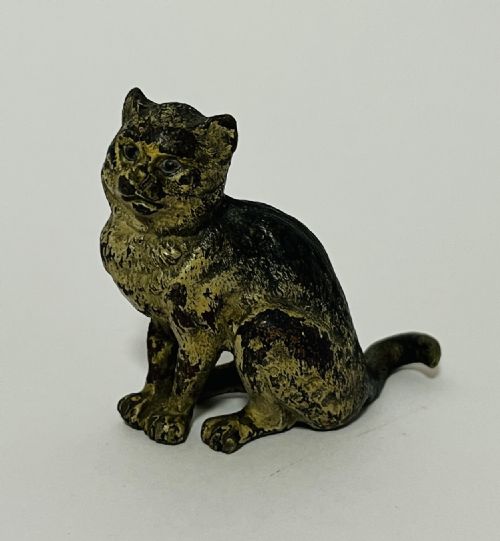


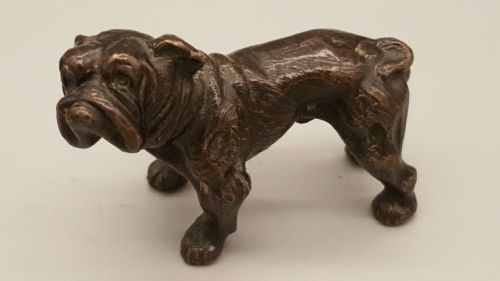


Cold Painted Animal Statue
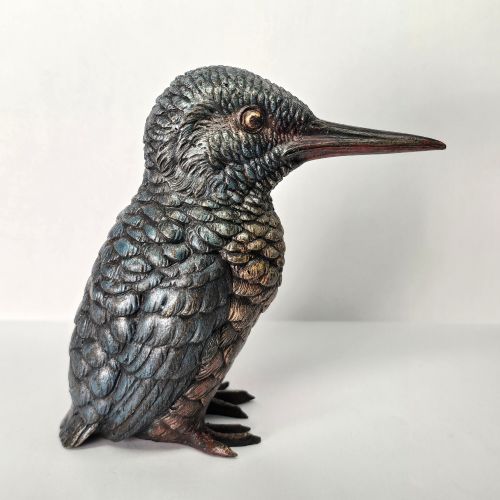
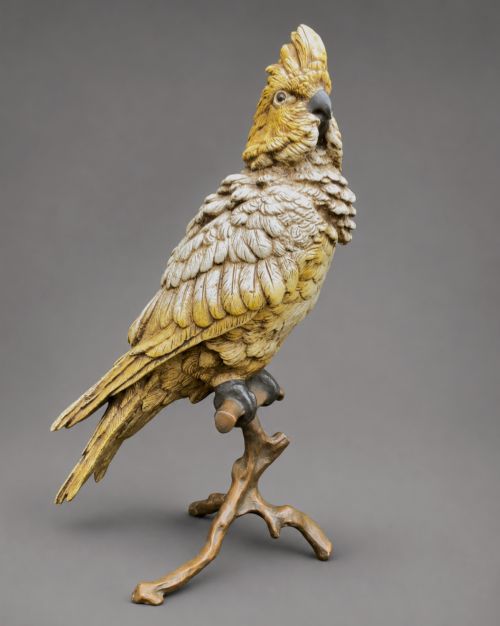
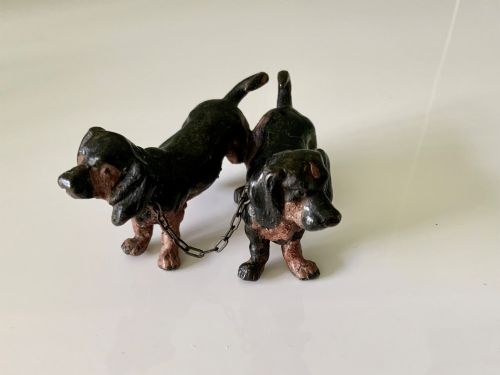
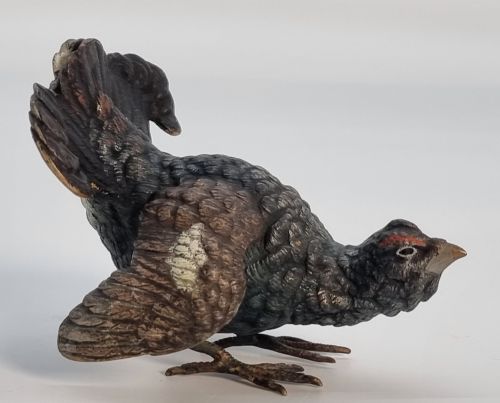
These cold painted animal statue pieces bring animated colour and character to a room, capturing birds and hounds in miniature metalwork.
Cold Painted Animal Statue
When you search for a cold painted animal statue, you encounter small sculptural figures depicting dogs, birds, and horses from the nineteenth and early twentieth centuries. These pieces originate predominantly from Austrian workshops, capturing realistic animal poses in compact forms.
The selections available here showcase diverse subjects, from miniature frogs and perched kingfishers to larger hound dogs and standing pigs. Most examples date from around nineteen hundred, reflecting Victorian and Edwardian tastes for naturalistic animalier subjects rendered with lively pigment.
How they were made
These figures begin as cast bronze, spelter, or terracotta models, shaped to delineate fur, feathers, and anatomical detail before receiving any surface treatment. Metal versions typically utilise traditional casting techniques to achieve crisp definition across small scales.
Makers apply polychrome paint, enamel, or cold paint directly onto the unheated or lightly warmed metal surface, allowing the pigment to adhere without high-temperature firing. This technique produces rich, varied surface hues that capture the natural coloration of birds and mammals.
Cold Painted Animal Statue Retail Price Guide 2026
Typical asking prices for cold painted animal statue among the pieces listed under this phrase on Sellingantiques today, from the lower quarter to the upper quarter. They describe what is for sale here now, not the wider market.
Franz Bergman occasionally produced whimsical nodding-head animal figures to amuse Victorian desk owners.
What varies in quality
The fineness of the underlying metal casting largely dictates the quality of a piece, determining how sharply musculature, feathers, and facial expressions are rendered. Superior modelling captures anatomical precision even in miniature proportions, whereas lesser work appears soft or indistinct.
The preservation and skill of the original painted surface also distinguish finer examples, as delicate polychrome applications demand steady handwork. Well-preserved pigment layers retain their nuanced tones and contribute significantly to the visual appeal of the sculpture.
Franz Bergman·Bernard Bloch·Jules Moigniez
The Cold Painted Animal Statue Glossary
- Cold paint
- A non-fired pigment applied to metal sculptures after casting. This technique allows for detailed polychrome decoration that can be susceptible to rubbing over time.
- Vienna bronze
- Small bronze sculptures produced in Austrian foundries, particularly during the late nineteenth and early twentieth centuries. These items frequently depict animals, human figures, or orientalist scenes.
- Animalier
- A nineteenth-century artistic movement dedicated to the realistic portrayal of animals. Sculptors in this tradition focused on capturing the accurate movement and physical form of wildlife and domestic beasts.
- Spelter
- A zinc alloy utilised as a cheaper alternative to bronze for cast figures. It provides a lighter metallic body that takes cold-painted finishes effectively.
- Polychrome
- The practice of decorating surfaces in multiple colours. In these sculptures, it refers to the detailed multi-hued painting used to mimic natural animal coats and plumage.
Cold Painted Animal Statue: Frequently Asked Questions
What is a cold painted animal statue?
A cold painted animal statue is a small metal or terracotta figure, usually cast in bronze or spelter, decorated with non-fired paint to depict birds, dogs, and other creatures with realistic coloration.
These pieces were produced primarily in Austrian workshops during the late nineteenth and early twentieth centuries as decorative cabinet ornaments.
How do I care for these statues?
Protect the fragile painted surface by keeping the sculpture out of direct sunlight and away from sources of moisture or heat.
Dust the piece gently with a soft, dry brush, avoiding any liquid cleaners or polishes that might lift the original cold-painted pigments.
Are these figures solid bronze?
Many examples are cast in solid bronze, though some figures utilise alternative metals such as spelter or materials like terracotta.
Examining the underside or weight of the piece helps determine the specific medium used by the foundry during production.
How do I identify Vienna bronze pieces?
Vienna bronzes typically feature naturalistic animal subjects with detailed cold-painted finishes produced in Austrian foundries around the turn of the twentieth century.
Many bear foundry marks, Bergman stamped signatures, or registration numbers hidden beneath the base or on the body of the sculpture.