




Cobalt Porcelain Decor
Cobalt porcelain decor brings deep blue pigment and rich glaze into a room, offering striking contrast and historic depth.
Cobalt Porcelain Decor
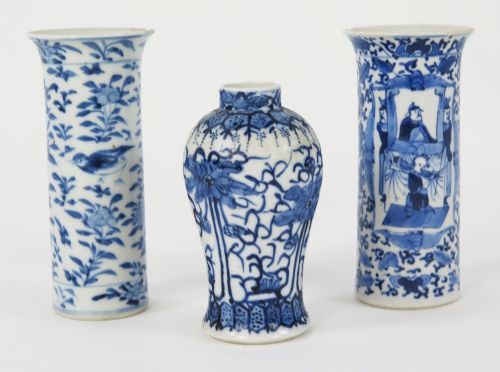
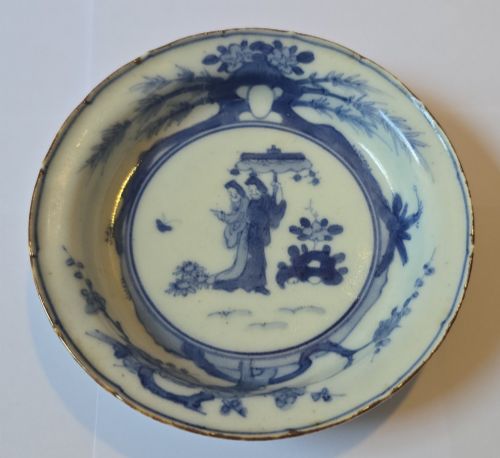
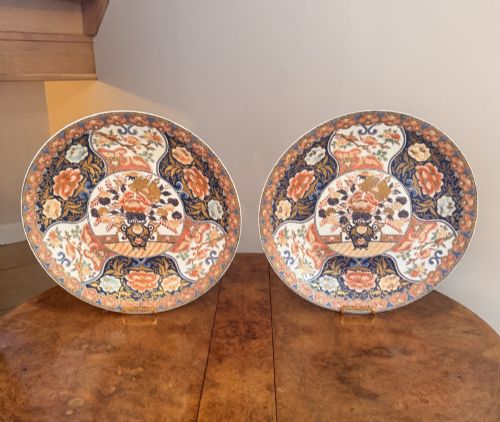
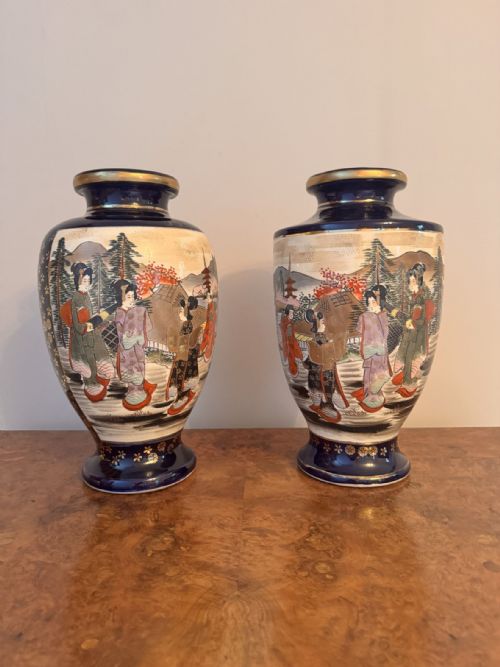
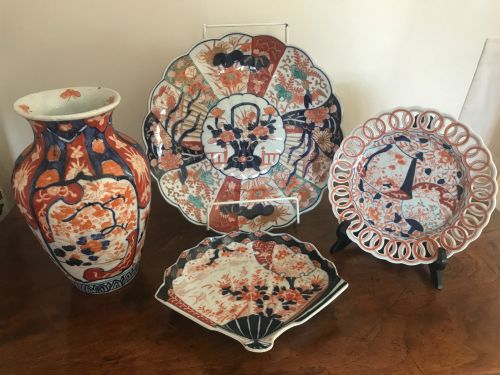
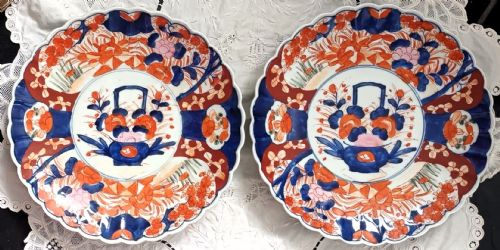
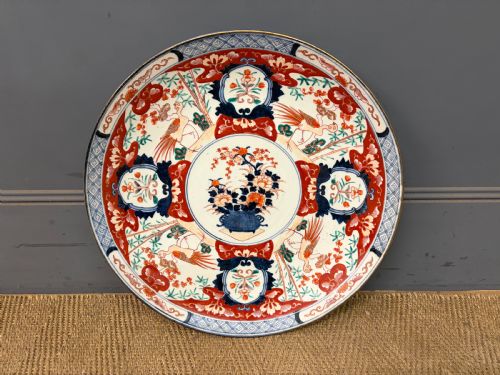
Cobalt porcelain decor encompasses domestic and display ceramics defined by intense blue decoration, spanning periods from the nineteenth century into the early twentieth century. Buyers seeking cobalt porcelain decor frequently encounter Japanese Imari plates, bowls, chargers, and vases originating from the Meiji and Edo periods.
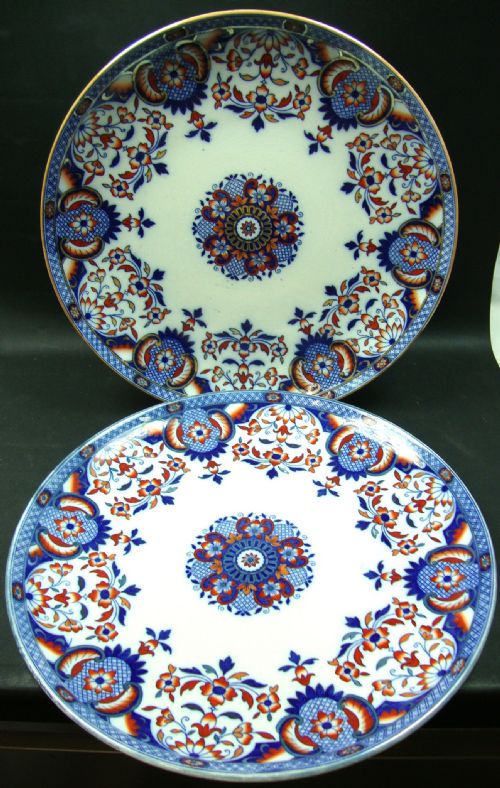
Beyond Japanese export wares, the selection includes English porcelain spill vases from the Regency era, Victorian Aesthetic Movement ceramics, and French portrait busts. Forms range from large wall chargers and hexagonal bowls to shell-shaped dishes and decorative vases.
How they were made
Potters applied cobalt pigment beneath or over the glaze before firing the ceramic body at high temperatures to achieve the signature deep blue tone. Artisans frequently enhanced these pieces with enamel details, gold leaf, and gilt accents to create intricate patterns.
The underlying material primarily consists of porcelain and glazed ceramic, sometimes supplemented by earthenware bodies. Firing techniques varied across factories in Europe and kilns in Japan, yielding distinct surface textures and glaze depths.
Cobalt Porcelain Decor Retail Price Guide 2026
Typical asking prices for cobalt porcelain decor among the pieces listed under this phrase on Sellingantiques today, from the lower quarter to the upper quarter. They describe what is for sale here now, not the wider market.
The selection includes Japanese Meiji period Imari wares alongside Regency English spill vases and nineteenth-century French portrait busts.
What varies in quality
Quality rests in the precision of the hand-painted cobalt pigment and the crispness of the surrounding enamel and gilt detailing. Pieces with balanced composition and well-preserved gilding demonstrate superior artistry during production.
Form and proportion distinguish standard items from exceptional examples, such as symmetrical pairs, unusual shell shapes, or large chargers with complex motifs. The clarity of the glaze and the refinement of the ceramic body further separate standard wares from superior works.
Spode·Mintons·Sevres
The Cobalt Porcelain Decor Glossary
- Imari
- A traditional Japanese style of ceramic decoration featuring a distinct palette of cobalt blue, iron red, and gold, named after the port from which the wares were exported. This aesthetic heavily influenced European potteries during the nineteenth century.
- Meiji Period
- The era in Japanese history spanning from 1868 to 1912, marked by extensive international trade and the export of sophisticated porcelain and metalwork. Wares from this time often combine traditional motifs with refined manufacturing techniques.
- Regency
- An English stylistic period dating from the early nineteenth century, characterised by classical restraint and elegant neoclassical forms. Ceramics from this era often display delicate hand-painted motifs and refined porcelain bodies.
- Charger
- A large decorative plate intended for display on a wall or sideboard rather than for practical dining use. These substantial pieces often showcase the most elaborate cobalt and enamel decoration of a series.
- Gilt
- A thin layer of gold or gold-coloured material applied to the surface of ceramics to highlight specific patterns or edges. Its preservation provides an indication of how carefully an object has been handled over time.
Cobalt Porcelain Decor: Frequently Asked Questions
What is cobalt porcelain decor?
Cobalt porcelain decor refers to ceramic objects adorned with deep blue cobalt oxide decoration, encompassing nineteenth-century European factories and Japanese export kilns. These items range from utilitarian spill vases to large decorative chargers.
Buyers select these pieces for their intense colour contrast and historical craftsmanship, incorporating them into both traditional and contemporary interiors as focal points.
How do I identify Japanese Imari?
Japanese Imari pieces are typically recognised by their distinct colour combination of cobalt blue underglaze, iron red, and supplementary gold leaf. The motifs often feature botanical elements, birds, and brocade patterns.
These wares were produced in large quantities for export during the nineteenth and early twentieth centuries, particularly within the Meiji period, and frequently appear as plates, bowls, and vases.
Were these pieces used daily?
Many items, such as large chargers and decorative plates, were created primarily for display on walls, sideboards, or mantelpieces. Other forms, including smaller bowls and vases, served functional roles in period households.
Over time, the survival of these objects depends on whether they were treated as cabinet pieces or subjected to everyday wear in domestic settings.
How do I display antique porcelain?
Antique porcelain and ceramics benefit from stable display environments away from direct sunlight and heavy foot traffic. Wall chargers require secure fixings designed for heavy plates, while vases and bowls sit best on firm, level surfaces.
Grouping items by period or palette allows the deep cobalt blue tones and gilt highlights to complement surrounding furniture and interior finishes.