



Cobalt Glass Condiment Set
A cobalt glass condiment set brings rich blue colour and gleaming metalwork to the dining table, offering both decorative charm and practical service.
Cobalt Glass Condiment Set
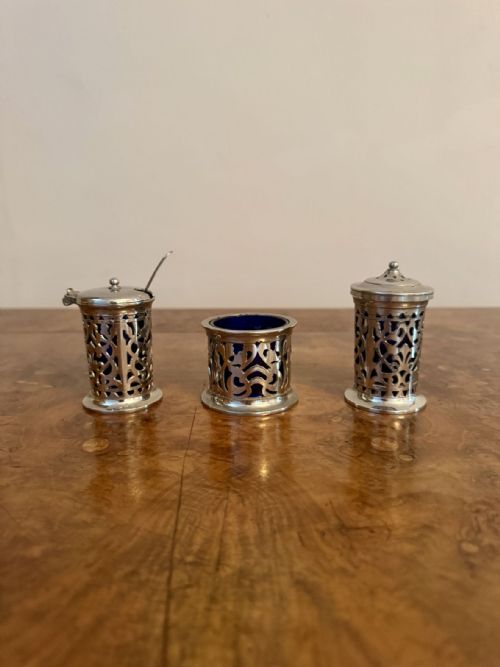
A cobalt glass condiment set comprises small table vessels designed to hold salts, mustard, or other seasonings for formal and informal dining. These domestic items bring vibrant blue colour to the table through removable glass liners housed inside protective metal frames.
The pieces appearing on this page span several distinct historical eras, including the Victorian, Edwardian, and Art Deco periods, alongside Georgian style reproductions. Buyers are most likely to encounter salt cellars and mustard pots constructed from silver or silver plate paired with brilliant blue glass inserts.
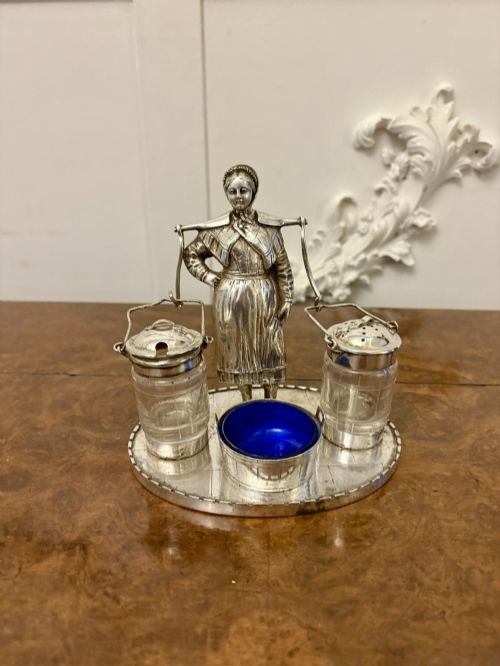
Formations range from individual open salts and mustard pots to matched pairs, sets of four, and complete boxed cruet sets complete with spoons. Each combination reflects the dining customs of its respective period, uniting utilitarian function with striking visual contrast.
Materials and construction
The primary visual component of these items is cobalt blue glass, typically blown or moulded into liners that fit snugly within supportive metal frameworks. This deep blue glass provides a vivid translucent backdrop that contrasts sharply with the metal holding it.
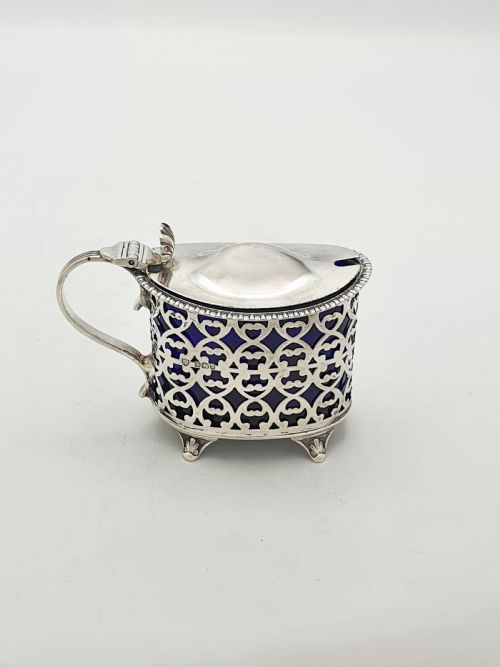
Metalwork surrounding the glass consists of sterling silver, solid silver, or silver plate, often worked into pierced, boat-shaped, or smooth geometric designs. Artisans shaped these metal mounts to securely cradle the delicate glass inserts while presenting an ornate exterior finish.
Cobalt Glass Condiment Set Retail Price Guide 2026
Typical asking prices for cobalt glass condiment set among the pieces listed under this phrase on Sellingantiques today, from the lower quarter to the upper quarter. They describe what is for sale here now, not the wider market.
Assessing quality and craftsmanship
Superior examples distinguish themselves through the crispness of the metal piercing, the weight and uniformity of the silver or silver plate, and the presence of original components. Pierced metalwork executed with sharp detail and balanced symmetry demonstrates a higher level of original silversmithing skill.
The relationship between the metal mount and the glass liner also indicates quality, where a snug, purposeful fit and the retention of matching original blue glass liners add considerable integrity to the ensemble. Boxed presentations and matching spoon sets further elevate the uniformity of a surviving service.
The Cobalt Glass Condiment Set Glossary
- Cobalt Glass
- Deep blue glass coloured with cobalt oxide. It provides a striking contrast against silver mounts.
- Salt Cellar
- A small open bowl or vessel used to hold salt at the dining table before the widespread use of shakers.
- Mustard Pot
- A covered jar designed to hold prepared mustard, frequently accompanied by a small matching spoon.
- Cruet Set
- A matched group of bottles or containers for holding condiments such as oil, vinegar, salt, and mustard.
- Sterling Silver
- An alloy containing ninety-two point five percent silver by mass. It is the standard quality for British silver tableware.
Cobalt Glass Condiment Set: Frequently Asked Questions
What is a cobalt glass condiment set used for?
These sets served as table vessels for holding condiments like loose salt and mustard during meals. They allowed diners to spoon small portions onto their plates.
Today, they function as decorative table accents or small containers for modern dining use. Their vivid blue liners add historical character to a tabletop setting.
How do I identify a Victorian salt cellar?
Victorian pieces often feature ornate metal piercing, heavy sterling silver construction, and traditional forms such as boat shapes. Assay marks and date letters stamped into the silver provide precise manufacturing years.
Comparing the decorative motifs against known historical styles helps confirm the period. The presence of hand-finished details usually points to nineteenth-century production.
Are the glass liners removable?
The glass liners lift out of the metal frames to allow for easy cleaning and refilling after meals. This design prevented corrosive salts and mustards from damaging the metal mounts.
When handling these sets, it is important to remove the liners carefully during washing. Original liners fit the metal framework precisely without excessive movement.
What is the difference between sterling silver and silver plate?
Sterling silver consists of solid precious metal throughout the entire object, stamped with official hallmarks indicating its silver purity. It carries intrinsic metal value alongside its craftsmanship.
Silver plate involves a thin layer of silver bonded to a base metal core such as copper or brass. Plated items offer the bright appearance of silver at a different level of production.