

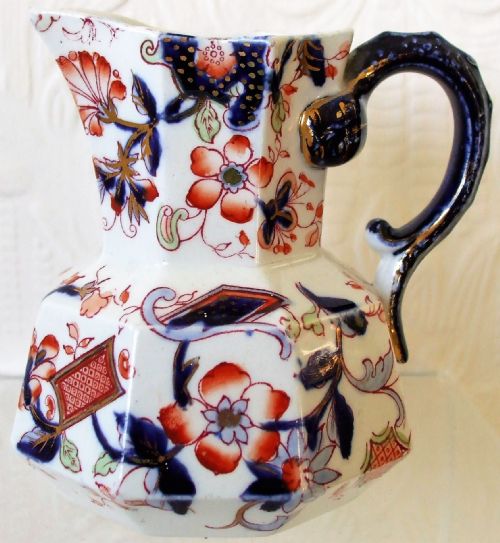
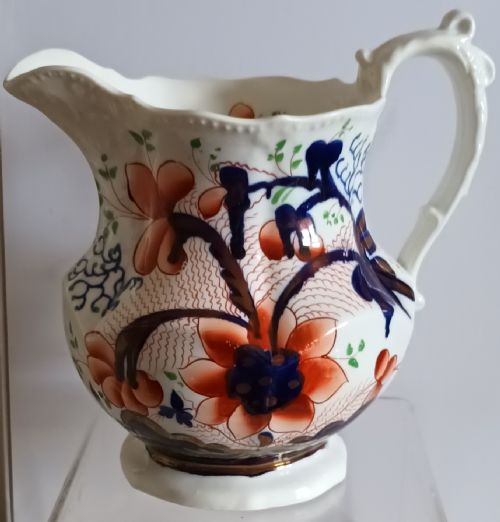


Cobalt Floral Pottery Jug
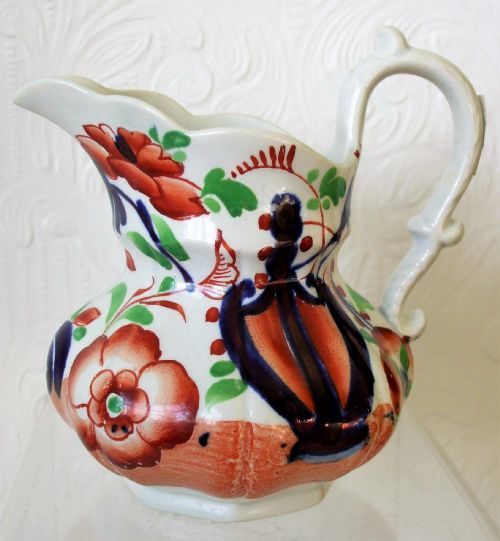
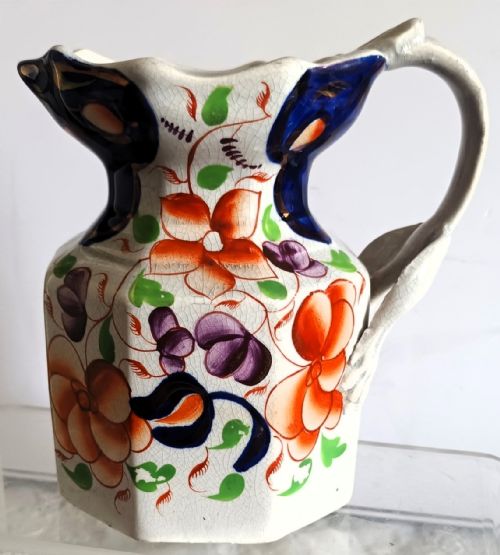
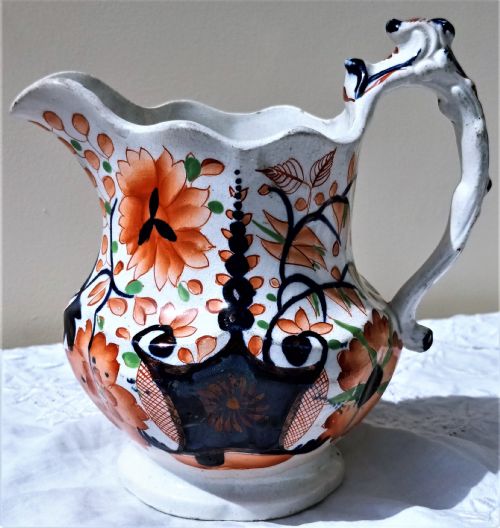
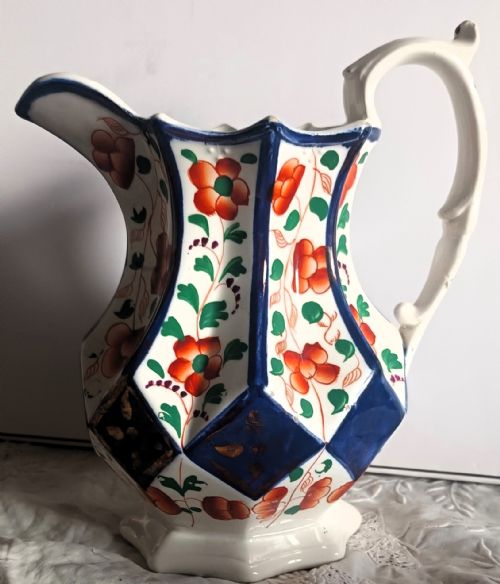
A cobalt floral pottery jug brings vibrant colour and pattern to a table, combining utilitarian function with striking ceramic decoration.
Cobalt Floral Pottery Jug
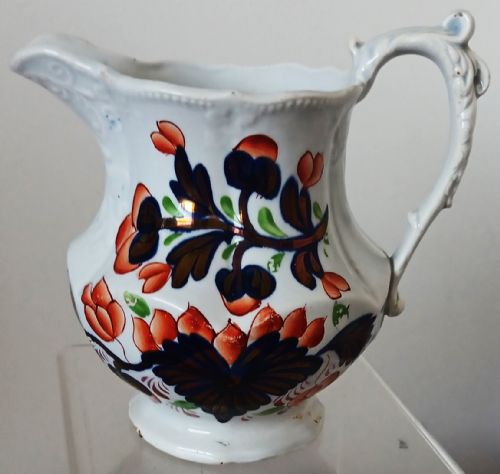
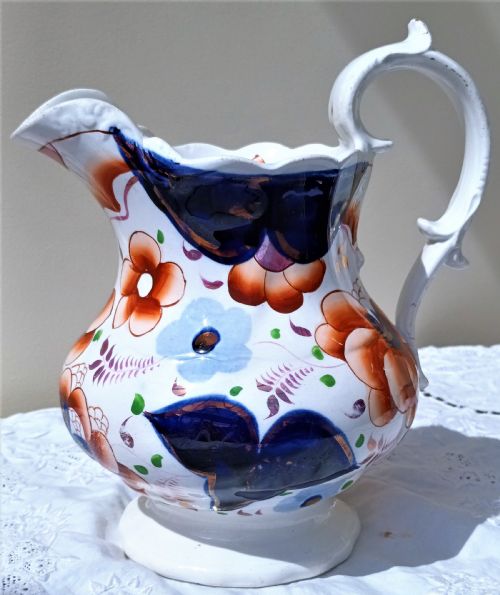
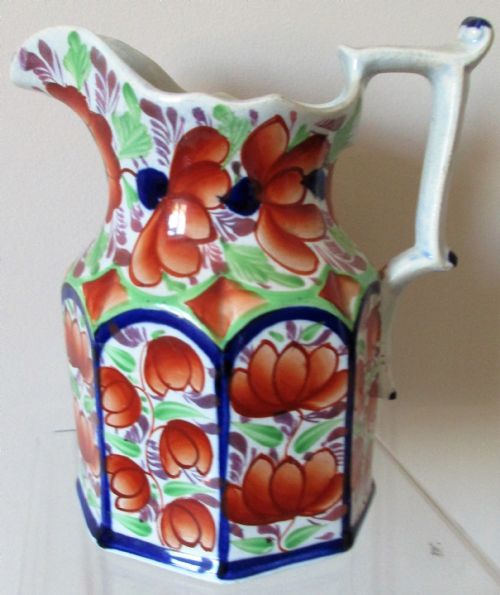
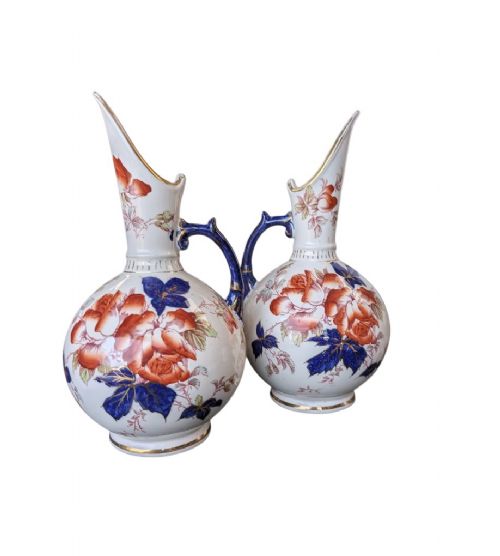
Forms range from standard jugs and pouch jugs to pitchers, multi-piece basin sets, and Japanese Imari imports. These domestic items served everyday dining and washing purposes while exhibiting distinct floral and architectural motifs in rich blue hues.
How they were made
Potters shaped these vessels from earthenware and porcelain, applying liquid glaze to seal the ceramic body before firing. Many examples incorporate enamel decoration and gilding to accentuate the painted floral and geometric patterns.
Techniques varied from slip casting and moulding to tin-glazing on eighteenth-century delftware, while copper lustre accents appeared on specific earthenware bodies to provide metallic sheen.
Cobalt Floral Pottery Jug Retail Price Guide 2026
Typical asking prices for cobalt floral pottery jug among the pieces listed under this phrase on Sellingantiques today, from the lower quarter to the upper quarter. They describe what is for sale here now, not the wider market.
Several Victorian jugs are named after Welsh towns like Harlech and Gwent, having travelled far from Staffordshire potteries.
What varies in quality
Quality rests on the crispness of the cobalt painting and the richness of the enamel and gilding applied over the glaze. Finer pieces display careful registration of complex transfer-printed or hand-painted patterns like the Pagoda and Harlech designs.
The sophistication of the ceramic body, from coarse nineteenth-century earthenware to finer Victorian porcelain and delftware, dictates the refinement of the finished vessel.
Keeling & Co.·Doulton Burslem
The Cobalt Floral Pottery Jug Glossary
- Delftware
- Tin-glazed earthenware produced in England and the Netherlands, typically featuring a white opaque background painted in blue pigments. Eighteenth-century versions show characteristic soft glaze pooling.
- Earthenware
- Porous pottery fired at lower temperatures than stoneware or porcelain, requiring a vitreous glaze to hold liquids. It forms the body of most nineteenth-century jugs listed here.
- Porcelain
- A dense, translucent ceramic fired at high temperatures from kaolin and petuntse. Victorian examples offer a finer and harder body than standard earthenware.
- Copper Lustre
- A metallic glaze finish applied to pottery to create a coppery sheen. It frequently accompanies cobalt floral patterns on Welsh market ceramics.
Cobalt Floral Pottery Jug: Frequently Asked Questions
What are these jugs made of?
The listings comprise items made from ceramic, earthenware, and porcelain bodies. Potters finished these vessels with glazes, enamel paints, and occasional gilding.
Earthenware forms the majority of the nineteenth-century stock, while eighteenth-century delftware utilises tin-glazing over a softer porous body.
How old are these pottery jugs?
The pieces span the eighteenth and nineteenth centuries, with a heavy concentration of Victorian examples. Dates range from Georgian and Victorian eras down to specific nineteenth-century potteries.
Makers active during these periods produced named transfer patterns that help anchor their date of manufacture.
How were these jugs used?
These vessels served practical domestic functions for pouring liquids at the table or as part of larger wash sets for personal hygiene. Jug and basin sets provided washing facilities in bedrooms before indoor plumbing.
Individual jugs functioned as pitchers for water, milk, or ale during meals.
What is Gaudy Welsh pottery?
Gaudy Welsh refers to nineteenth-century earthenware decorated with vibrant cobalt blue, iron-red, and copper lustre. These wares were immensely popular in Welsh households for daily use.
Common patterns include named designs such as Pagoda, Harlech, Gwent, and Grape.