




Cobalt Blue White Vase
A cobalt blue white vase brings together deep blue pigment and crisp ceramic bodies across centuries of global potting traditions.
Cobalt Blue White Vase
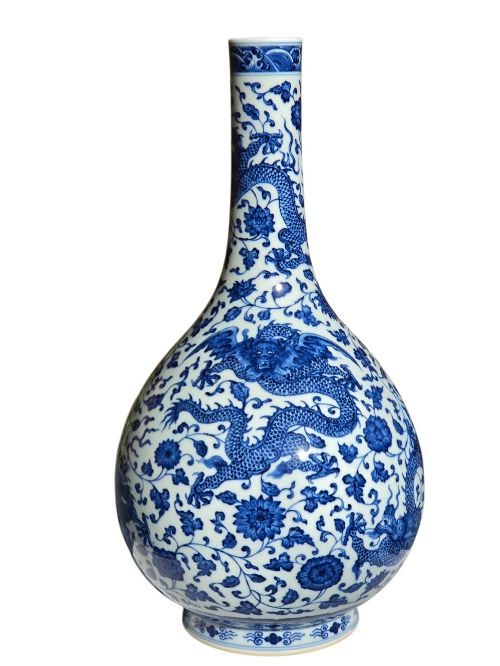
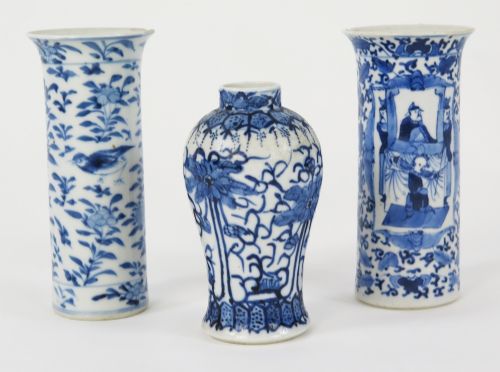
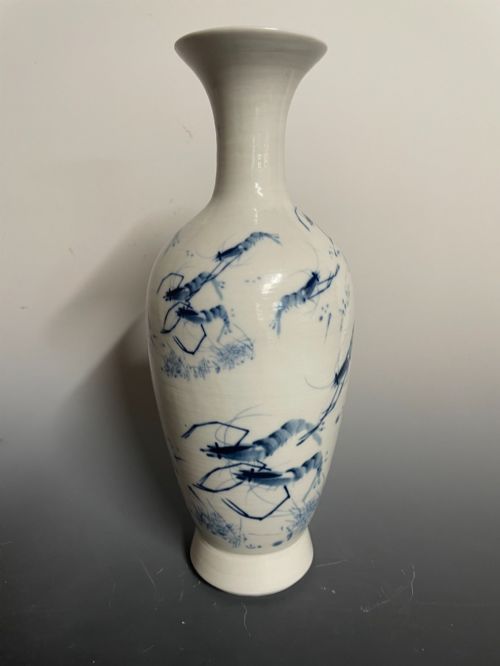
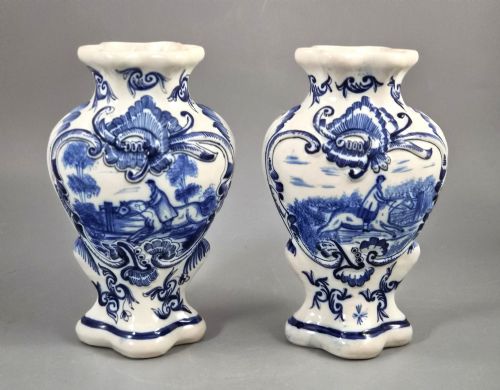
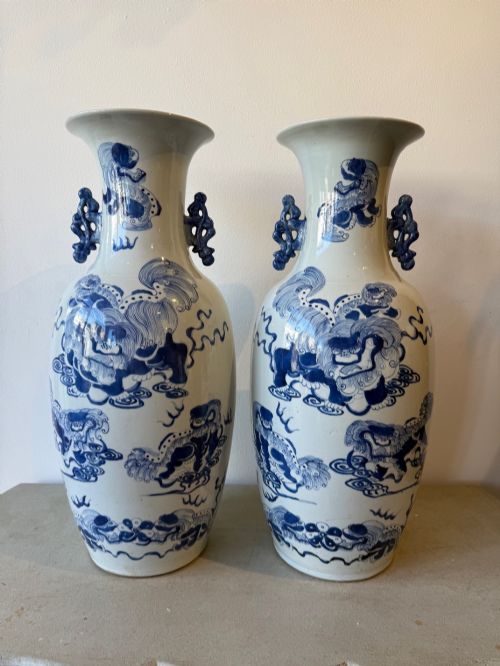
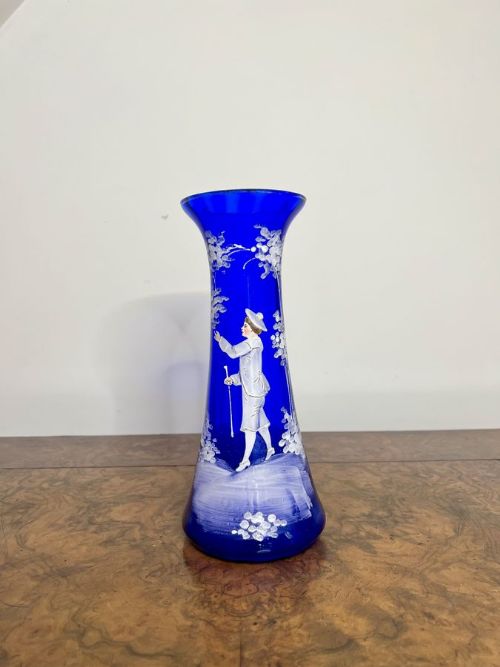
A cobalt blue white vase represents a durable vessel decorated in contrasting iron-blue and pale grounds, spanning domestic English earthenware to imperial Chinese porcelain. When searching for a cobalt blue white vase, a buyer encounters pieces originating from eighteenth-century Delft kilns, nineteenth-century European factories, and earlier Asian traditions. These vessels take various forms including bottle shapes, ginger jars, beaker vases, and double-gourd profiles.
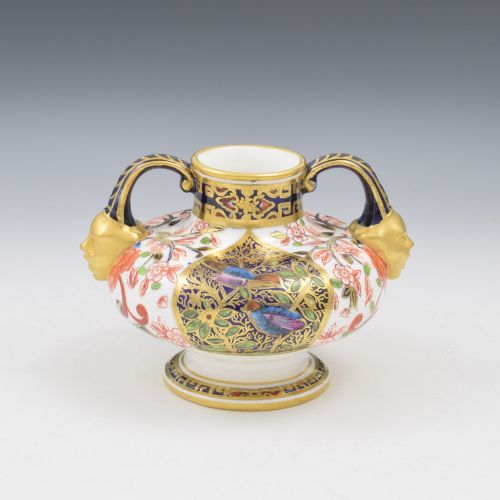
The selection on this page relies heavily on nineteenth-century adaptations alongside seventeenth- and eighteenth-century origins. Chinese porcelain examples dominate the offerings, often bearing marks or styles referencing earlier dynasties. European potteries from England, France, and Holland also contribute earthenware and tin-glazed vessels designed for display or utility.
Materials and Manufacture
Makers utilised porcelain, earthenware, and glass as the foundational bodies for these vessels, applying metallic cobalt pigment beneath or over transparent glazes. Chinese pieces commonly employ hard-paste porcelain painted with cobalt before a high-temperature firing that fixes the blue tone permanently into the glaze. European potteries utilised tin glaze, or enamel, on softer earthenware bodies to achieve a similar visual contrast.
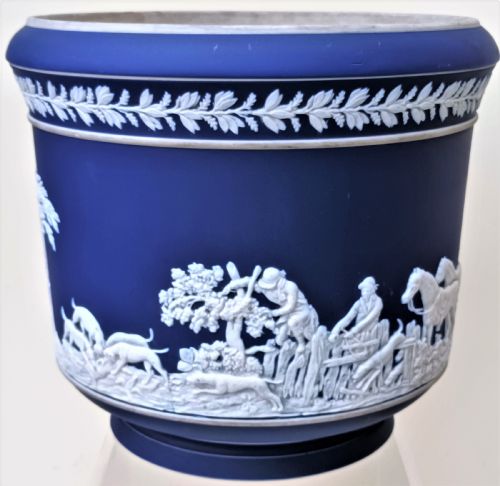
Techniques varied from freehand brushwork depicting dragons and botanical motifs to moulded reliefs in jasper ware. Kiln firing conditions determined the exact shade of the cobalt pigment, shifting from greyish tones to deep sapphire blue depending on temperature control and oxygen levels.
Cobalt Blue White Vase Retail Price Guide 2026
Typical asking prices for cobalt blue white vase among the pieces listed under this phrase on Sellingantiques today, from the lower quarter to the upper quarter. They describe what is for sale here now, not the wider market.
Object forms on this page include ginger jars, jardinières, bottle vases, double-gourd vessels, and items adapted as table lamps.
Assessing Quality and Execution
Quality in these vessels rests upon the control of the cobalt pigment and the crispness of the potting. Superior examples display clean, fluid brushwork with deep saturation that does not bleed into the surrounding white glaze. Poorer execution shows blurred outlines where the pigment ran during firing or muddy tones within the white ground.
The refinement of the ceramic body itself separates standard production from finer work. Thin, even walls on porcelain bottles or precise relief moulding on earthenware indicate skilled workshop practices.
William Adams And Sons·Fourmaintraux Courquin·Moorcroft Macintyre·Samson Of Paris·Wedgwood
The Cobalt Blue White Vase Glossary
- Meiping
- A high-shouldered Chinese vase form designed originally for plum branches. The narrow neck expands sharply at the shoulder before tapering towards the base.
- Underglaze blue
- Decoration applied directly to the ceramic body before the transparent glaze is added and fired. This technique protects the pigment beneath a glassy protective layer.
- Jasper ware
- A fine-grained, unglazed stoneware developed in England, featuring applied white relief figures against a coloured background.
- Delftware
- Tin-glazed earthenware produced in England and Holland, imitating Chinese porcelain imports with opaque white surfaces and blue painting.
- Imari
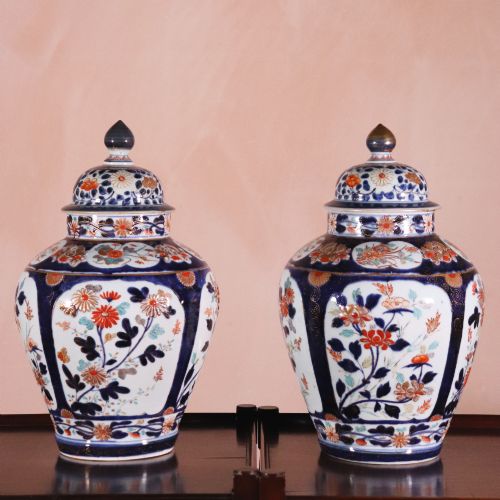
- Japanese porcelain decorated in underglaze blue, iron red, and gilt, produced extensively for export markets from the Edo period onward.
Cobalt Blue White Vase: Frequently Asked Questions
What is a cobalt blue white vase?
A cobalt blue white vase is a ceramic or glass vessel decorated primarily with blue metallic oxide pigments against a white background. These pieces span multiple centuries and include both Asian export porcelain and European earthenware.
Makers across China, Japan, England, France, and Holland produced these vessels for display, storage, and lighting conversion.
How do I date a blue and white vase?
Dating relies on examining the potting technique, the specific shade of the cobalt pigment, and any reign marks or factory stamps on the base. Stylistic details like brushwork motifs also provide clues to the period of manufacture.
Earlier pieces often show distinct potting irregularities and specific blue tones associated with particular centuries, while later nineteenth-century pieces frequently revive historic styles.
Were these vases used as lamps?
Many ceramic vessels were converted into table lamps during the nineteenth and twentieth centuries to suit contemporary domestic interiors. This adaptation involved drilling the base or mounting the neck for electrical fittings.
Collectors find both unaltered vessels and period conversions within the marketplace.
How do I care for antique porcelain?
Antique porcelain and earthenware require gentle handling and cleaning with a soft, dry cloth to remove dust. Avoid submerging pieces with old repairs or unglazed areas in water.
Displaying vessels away from direct sunlight and heavy vibrations protects the integrity of the glaze and body over time.