

Cobalt Blue Ironstone
Cobalt blue ironstone brings together robust ceramic bodies and deep, saturated colour, offering functional service ware and display pieces from the nineteenth century.
Cobalt Blue Ironstone
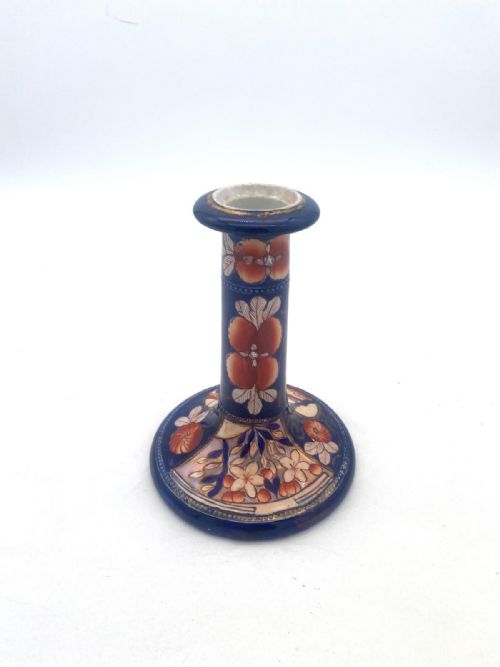
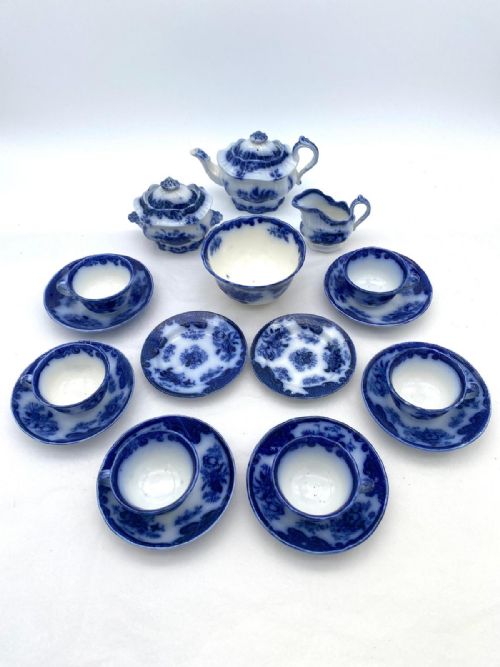
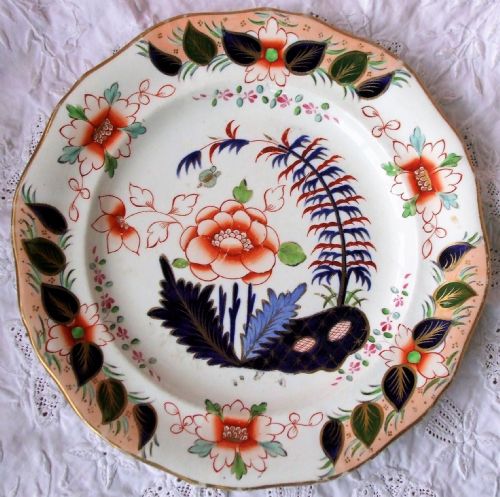
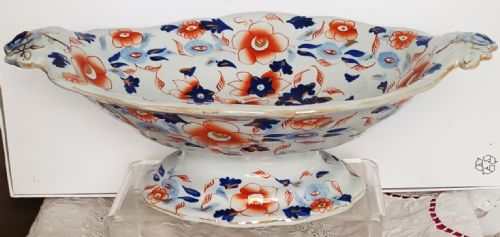
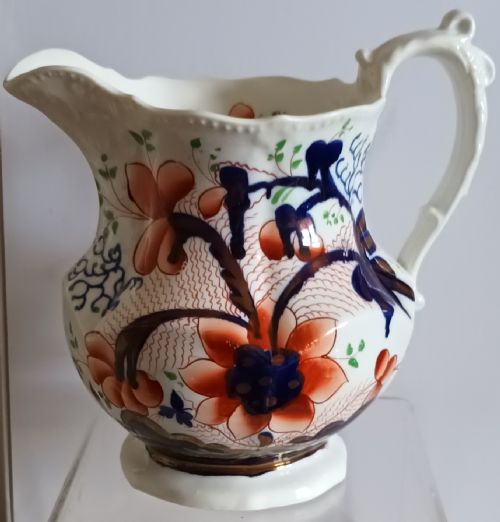
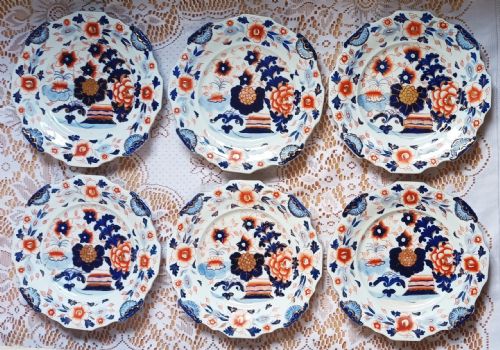
Cobalt blue ironstone encompasses utilitarian vessels and decorative tableware produced across the nineteenth century, including Georgian and Victorian periods. Buyers encounter plates, serving platters, jugs, tureens, and vases featuring rich blue decoration.
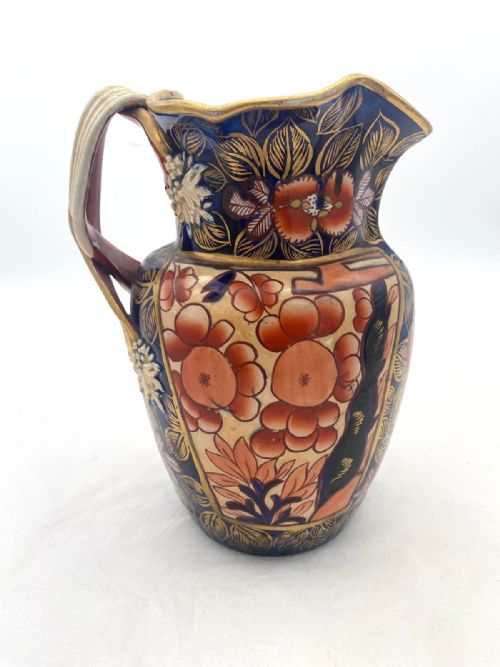
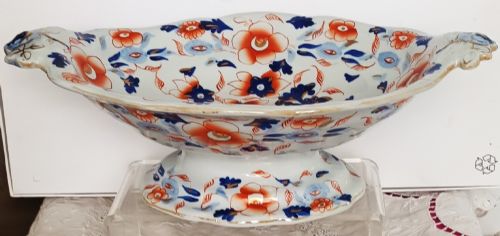
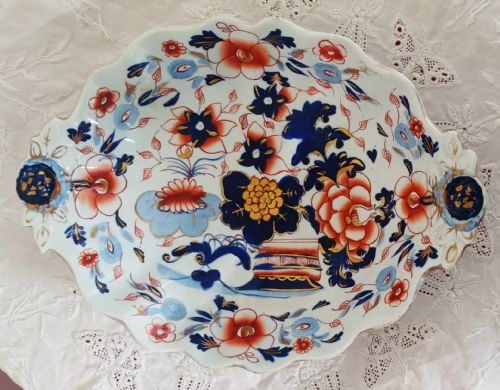
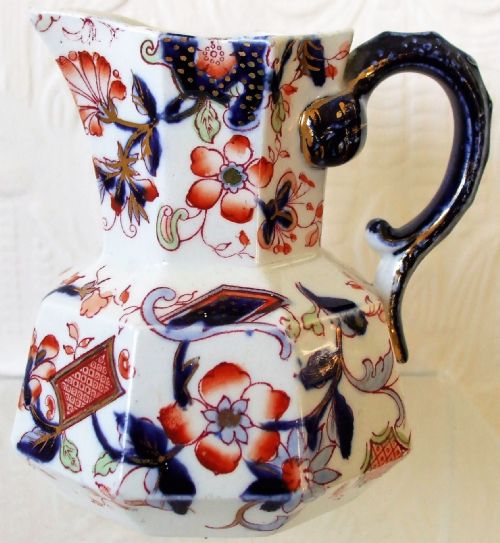
The pieces often display patterns influenced by Asian designs, such as Chinoiserie and Japan motifs, alongside traditional British earthenware forms. Many items originate from notable potteries of the era, combining heavy ceramic bodies with intricate cobalt applications.
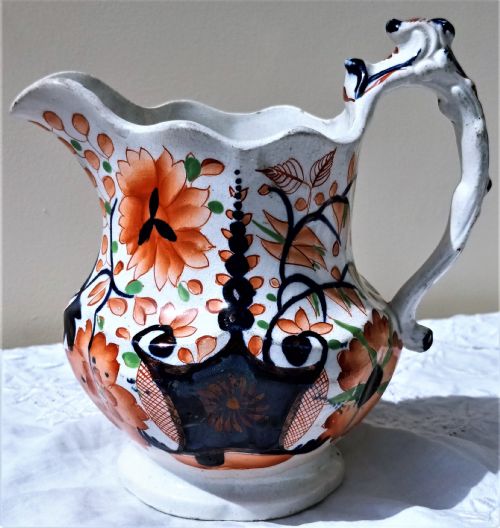
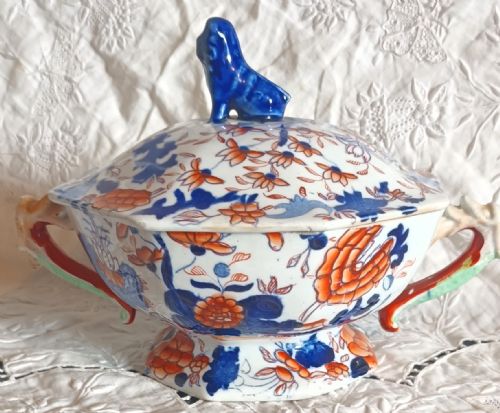
Functional items like soup tureens, footed comports, and large jugs dominate the selection, showing the durable nature of the ceramic material. These survivors from the 1800s and 1850s provide both practical utility and historical display value.
Materials and Techniques
Potters built these items using dense ironstone ceramic and earthenware bodies, glazed to provide a hard, impermeable surface that resisted daily wear. Cobalt blue pigment was applied beneath or over the glaze to create deep, lasting patterns.
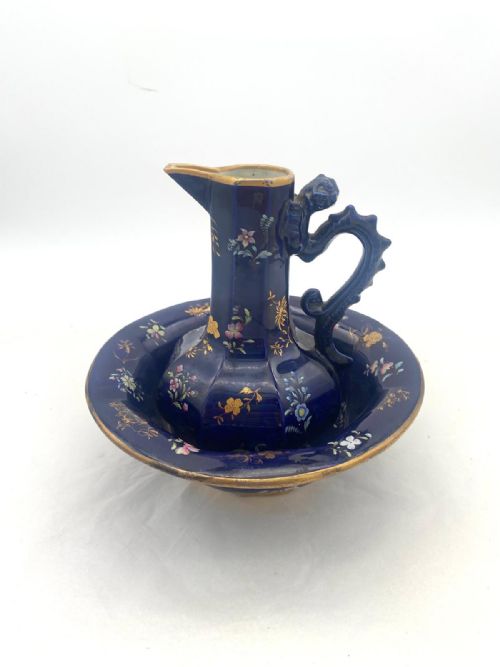
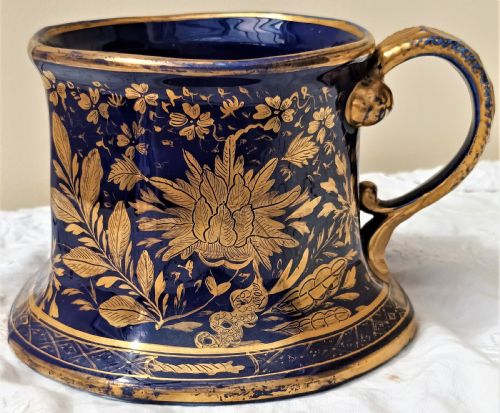
Many pieces incorporate gilding, gold leaf, and enamel highlights over the cobalt blue ground, requiring multiple firings in the kiln. Handles and spouts often feature moulded details, such as grotesque or serpent forms, cast separately and attached before firing.
Cobalt Blue Ironstone Retail Price Guide 2026
Typical asking prices for cobalt blue ironstone among the pieces listed under this phrase on Sellingantiques today, from the lower quarter to the upper quarter. They describe what is for sale here now, not the wider market.
Listings feature ironstone ceramics spanning the Georgian and Victorian eras, dominated by nineteenth-century plates, tureens, and jugs.
Assessing Quality and Execution
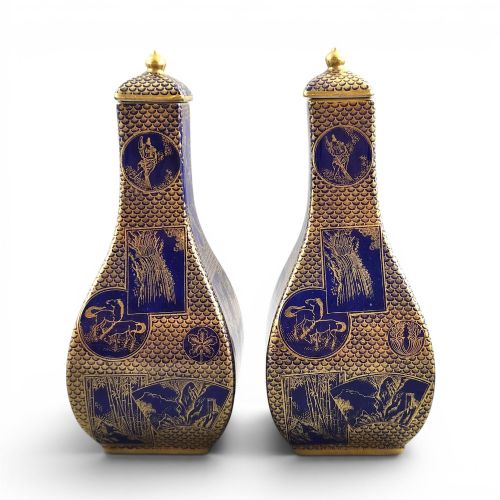
Quality rests in the crispness of the cobalt blue transfer printing or hand-painted details, and the precision of the gilt highlights applied over the glaze. Finer examples show careful alignment of complex patterns on difficult forms like octagonal jugs and lidded vases.
The sophistication of the modelling distinguishes standard production from superior pieces, particularly in moulded elements like serpent handles on Hydra jugs or pierced well and tree platters. Weight, glaze consistency, and the depth of the blue ground also indicate the maker's skill.
Masons Ironstone·John Davenport of Longport·Keeling and Co·John Ridgway·Copeland·Minton
The Cobalt Blue Ironstone Glossary
- Ironstone
- A heavy, durable ceramic patented in the nineteenth century to imitate porcelain. It provides a strong body for large jugs and serving platters.
- Chinoiserie
- European decorative style reflecting Chinese artistic traditions. It appears frequently in cobalt blue patterns on plates and vases.
- Comport
- A raised dish or bowl used for serving fruit or dessert at the table. Footed versions elevate the presentation.
- Hydra Jug
- A pitcher featuring a distinctive serpent-shaped handle. These often display cobalt blue ground and moulded details.
- Mazarine
- A deep, rich shade of dark blue used extensively as a ground colour. It provides a strong contrast to gilt decoration.
Cobalt Blue Ironstone: Frequently Asked Questions
What is ironstone pottery?
Ironstone is a durable type of earthenware patented in the nineteenth century to provide a strong, utilitarian alternative to porcelain. It allowed potteries to produce heavy vessels like jugs, tureens, and large platters for everyday use.
The dense ceramic body absorbed less moisture and resisted chipping better than standard pottery. This made it the preferred material for busy domestic kitchens and dining rooms during the Georgian and Victorian eras.
How were cobalt blue patterns applied?
Makers applied cobalt blue decoration using hand-painting techniques or transfer printing before the final glaze firing. The cobalt pigment reacted with the heat to produce a deep, permanent blue colour that resisted fading.
Additional details such as gold leaf, gilding, or enamel colours were often added over the glaze in subsequent low-temperature firings. This multi-step process created the rich contrast seen on Japan and Chinoiserie pattern pieces.
How do I care for antique ironstone?
Antique ironstone benefits from gentle hand washing with mild soap and warm water rather than mechanical dishwashing. Strong detergents and abrasive pads can damage the glaze and wear away surface gilding over time.
Storing pieces with adequate support prevents chipping on heavy items like tureens and footed comports. Keeping them away from rapid temperature changes protects the nineteenth-century ceramic body and underlying glazes.
Can I use these pieces for serving food?
Many nineteenth-century ironstone platters, bowls, and comports remain structurally sound for serving dry foods at the table. However, older glazes can sometimes be sensitive to acidic foods or modern dishwashers.
Evaluating the interior condition of individual tureens and plates helps determine their suitability for dining. Most collectors prefer to use sturdier pieces cautiously or reserve them primarily for display.