
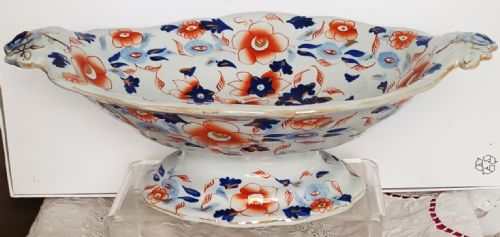


Cobalt Blue Ironstone Dish
A cobalt blue ironstone dish brings heavy earthenware utility and rich nineteenth-century pattern to the table, prized for durability and vibrant colour.
Cobalt Blue Ironstone Dish
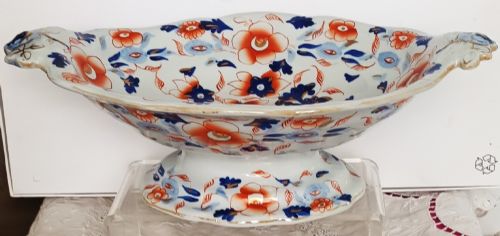
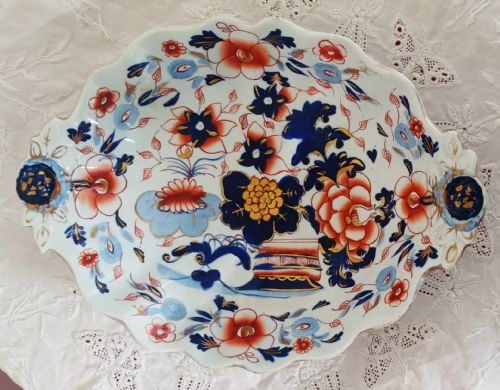
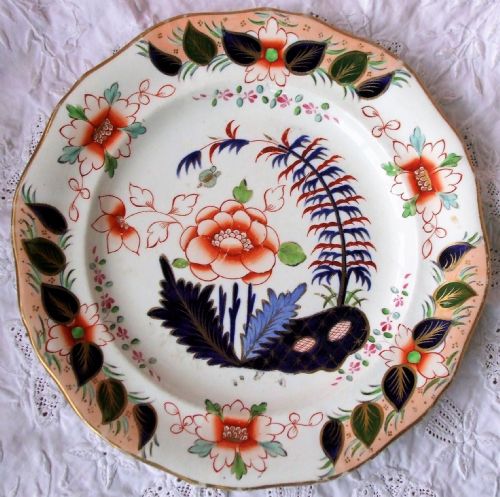
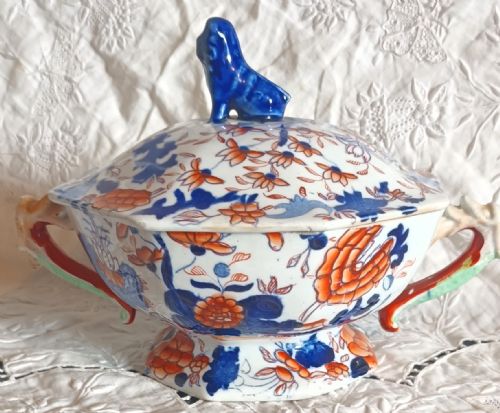
A cobalt blue ironstone dish encompasses a range of heavy ceramic tablewares from the nineteenth century, including large serving platters, decorative plates, soup tureens, and footed comports. These items bridge the gap between durable kitchenware and fine display pieces, emerging from periods such as the Georgian and Victorian eras.
The version most commonly met on this page is the nineteenth-century English ironstone serving dish or plate, often decorated with intricate patterns like Japan, Imari, or Chinoiserie. Makers such as Mason's dominate the forms, offering robust earthenware bodies covered in deep blue glazes and occasionally highlighted with gold leaf.
How they were made
Potters built these pieces using dense ironstone china and earthenware, a heavy ceramic composition designed to withstand rigorous daily use while maintaining a smooth surface for decoration. Artisans applied vibrant cobalt blue enamel under or over the glaze, often incorporating rich gilding or gold leaf to accentuate the intricate patterns.
Decoration relied heavily on transfer printing and hand-painting, particularly for styles inspired by Eastern aesthetics such as Chinoiserie, Imari, and Japan patterns. Firing at high temperatures ensured the ceramic body vitrified into a durable, stone-like substance capable of supporting elaborate shapes like footed comports, well and tree platters, and covered tureens.
The object forms span functional kitchen and dining items, including soup tureens, sauce tureens, cheese dishes, soap dishes, and footed comports.
What varies in quality
Quality rests upon the crispness of the transfer print and the precision of the hand-applied cobalt blue enamel, alongside the preservation of any gilding. Pieces featuring complex, multi-tiered motifs like the Japan or Imari patterns demand greater artistic control than simpler utilitarian wares.
The weight and integrity of the ironstone body, coupled with the maker's mark impressed or printed on the base, distinguish standard production from superior examples. Well-preserved covers, ladles, and strainers remaining with their original tureens and platters elevate the desirability of the piece.
John Davenport of Longport·John Ridgway·Minton·Mason's Patent Ironstone·Coalbrookdale
The Cobalt Blue Ironstone Dish Glossary
- Ironstone
- A heavy, durable type of earthenware patented in the nineteenth century to rival imported Chinese porcelain. It offers exceptional strength and a smooth white base for blue transfer-printed designs.
- Comport
- A raised dish or bowl used for serving fruit or desserts at the table. These pedestal vessels sit higher than standard plates to create tiered displays during formal meals.
- Chinoiserie
- A European decorative style reflecting Chinese artistic influences, frequently featuring pagodas, bamboo, and exotic landscapes rendered in cobalt blue. This style was immensely popular on nineteenth-century ironstone.
- Imari
- A decorative pattern style borrowing from Japanese export porcelains, characterised by deep cobalt blue combined with iron red and gold. Ironstone makers adapted these bold motifs for English dining tables.
Cobalt Blue Ironstone Dish: Frequently Asked Questions
What is ironstone china?
Ironstone china is a dense, durable ceramic developed in the nineteenth century as a tough alternative to porcelain. It combines ball clay, feldspar, and slag of iron to create a heavy body that resists chipping.
This robust material allowed makers to produce large serving vessels, platters, and tureens that could withstand heavy daily use while holding detailed blue and white transfer prints.
How were tureens used?
Tureens served as the centrepiece vessels for holding and presenting soups, sauces, or vegetables at the nineteenth-century dining table. Their heavy ironstone construction helped retain the heat of the food during long meals.
Many of these covered bowls came with matching ladles and stands, forming complete suites for formal dining rooms.
What does Japan pattern mean?
The Japan pattern refers to nineteenth-century English ceramic designs that imitated imported Japanese decorative styles. These motifs typically featured cobalt blue landscapes, floral elements, and pagodas.
Potters often enhanced these blue transfer prints with hand-painted enamel colours and gold leaf to replicate the rich appearance of Eastern wares.
How do I date an ironstone dish?
Dating ironstone relies on examining the maker's marks stamped or printed on the base, the specific style of the transfer print, and the composition of the ceramic body. Many nineteenth-century pieces feature registry marks or specific factory stamps that narrow down the year of production.
Stylistic shifts, such as the transition from early Georgian forms to Victorian shapes, also help establish a chronological window.