





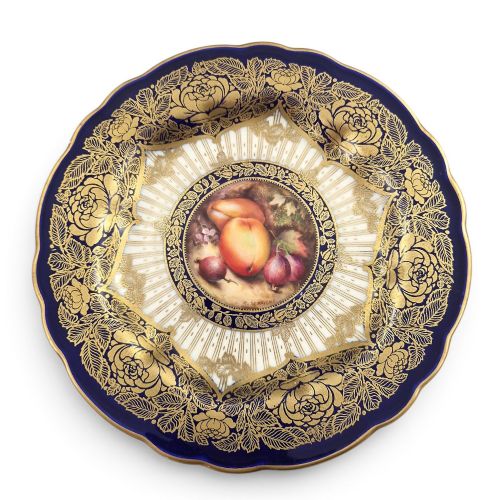
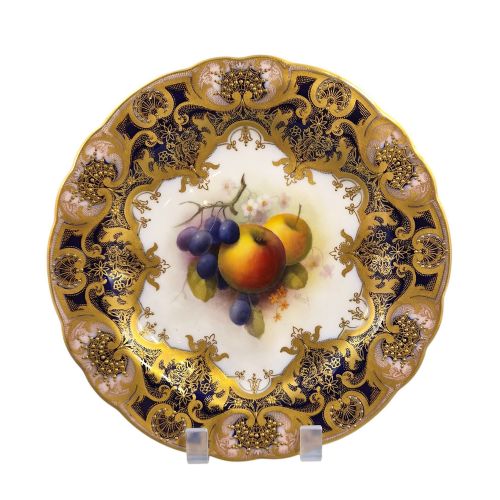
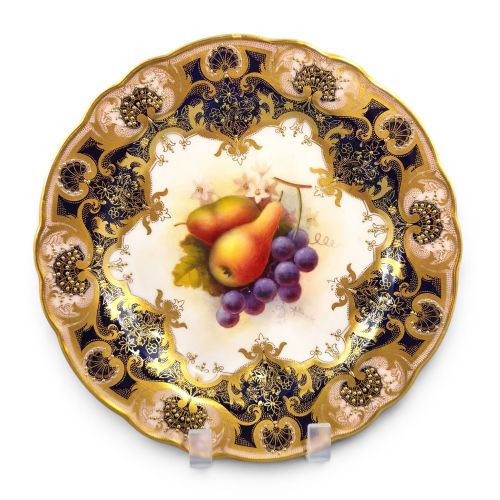
Cobalt Blue Display Dish
A cobalt blue display dish brings rich ceramic depth to a room, drawn from centuries of fine porcelain and earthenware traditions.
Cobalt Blue Display Dish
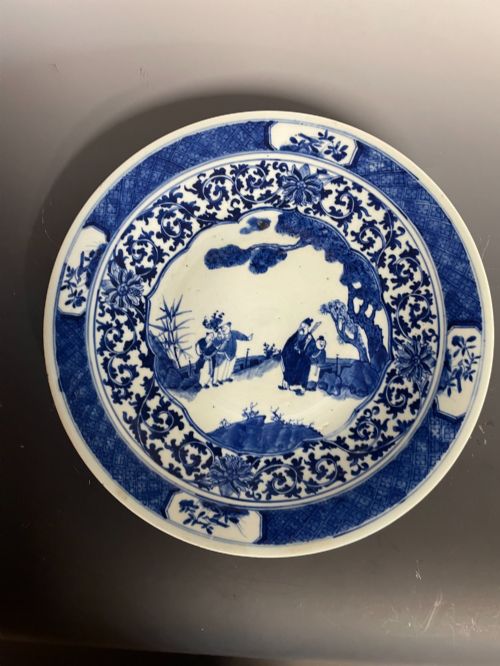
When you search for a cobalt blue display dish, you encounter a variety of forms including large chargers, cabinet plates, and decorative bowls intended primarily for visual impact rather than dining use.
The selections span significant periods from the seventeenth century through the mid-twentieth century, originating from European potteries and East Asian kilns alike.
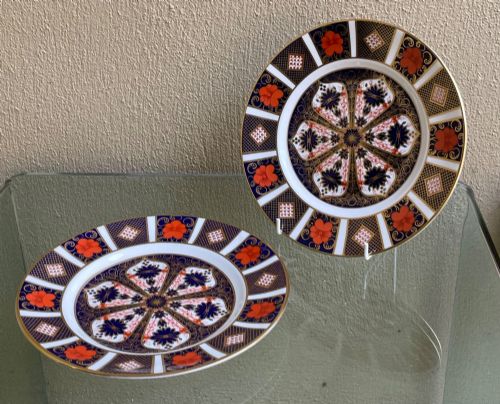
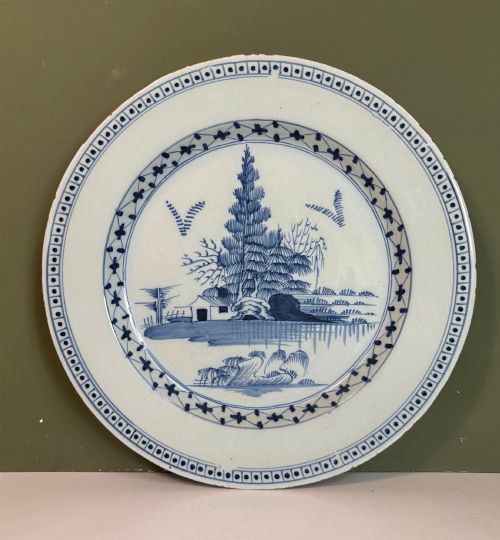
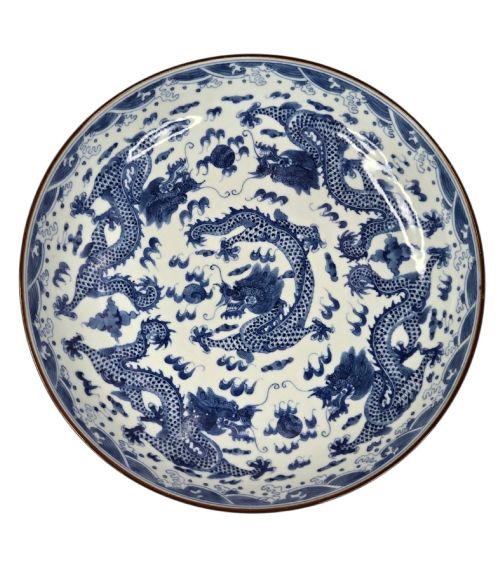
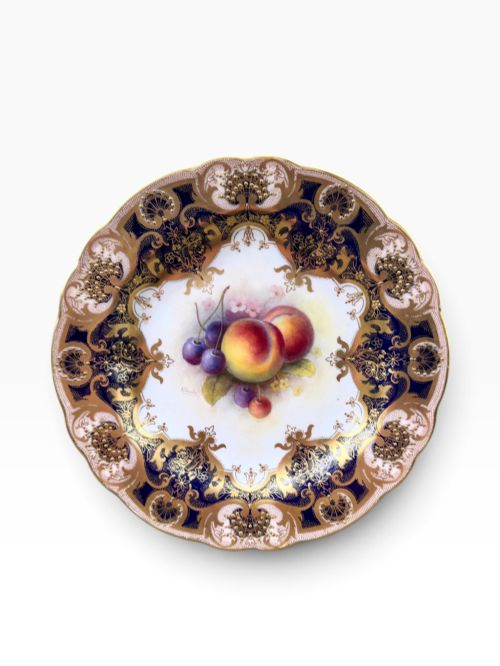
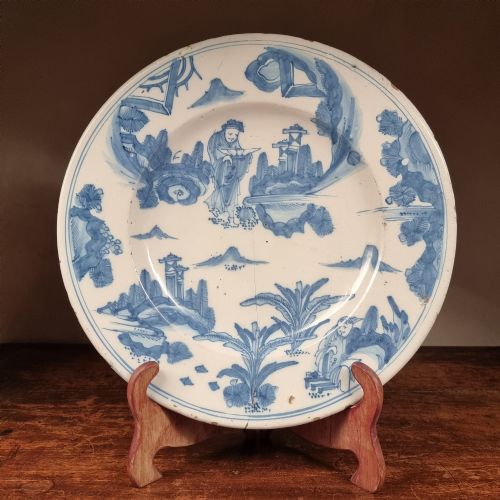
Japanese Imari examples from the Meiji period appear frequently alongside English Delft chargers and fine porcelain pieces painted by notable Worcester artists.
Materials and Techniques
Potters achieved the signature deep blue colour using cobalt underglaze, applied directly to the body before firing to ensure permanence beneath a clear glossy finish.
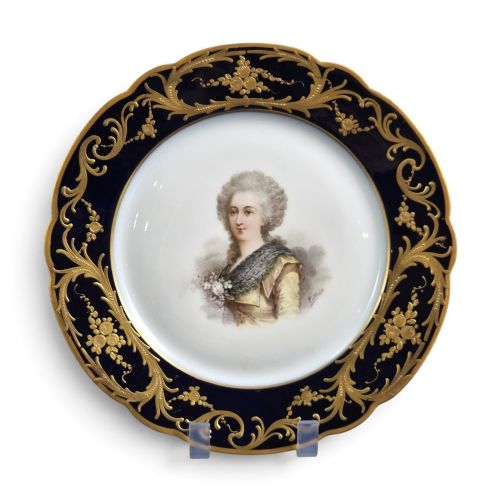
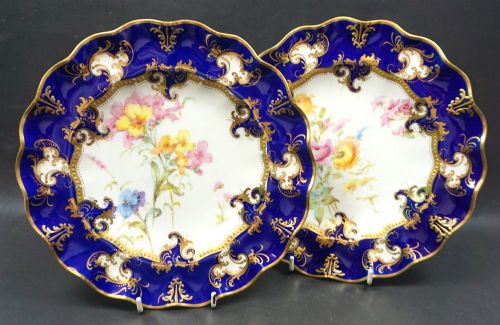
Many items incorporate additional embellishments such as rich gold leaf, gilt highlights, and enamel painting over the glaze to catch the light.
Makers utilised fine porcelain, bone china, and earthenware as the foundational bases for these decorative chargers and plates.
Listings feature porcelain, earthenware, and bone china enhanced with gold leaf and cobalt underglaze across multiple centuries.
Assessing Quality
The distinction between standard domestic wares and superior display pieces lies in the precision of the hand-painted detail and the complexity of the design composition.
Signed cabinet plates by established artists command attention through meticulous brushwork, particularly in naturalistic fruit and portrait subjects.
The clarity of the cobalt underglaze and the crispness of moulded edges on scalloped or hexagonal forms separate exceptional pieces from simpler productions.
Royal Crown Derby·Royal Worcester·Pucher Deroche
The Cobalt Blue Display Dish Glossary
- Charger
- A large decorative plate traditionally used for ceremonial display rather than service at the table. These substantial pieces anchor a collection on sideboard or wall.
- Cabinet Plate
- A fine ceramic item created specifically for display in a glass-fronted cabinet. They often exhibit exceptional artistic painting rather than utilitarian durability.
- Cobalt Underglaze
- A mineral pigment applied to the unfired ceramic body that withstands high kiln temperatures without fading. This technique produces the characteristic deep blue decoration seen on Imari and Delft wares.
- Imari
- A style of Japanese export porcelain characterised by a palette of cobalt blue and iron red, frequently enriched with gold. The aesthetic influenced European potteries throughout the baroque and Victorian eras.
- Delft
- Tin-glazed earthenware originating from the Netherlands and England, imitating the appearance of imported Chinese blue and white ceramics.
Cobalt Blue Display Dish: Frequently Asked Questions
How do I hang a display dish safely?
Heavy chargers and cabinet plates require purpose-built brass or coated spring hangers that distribute weight evenly across the rim without causing friction damage.
Professional wall mounting ensures the piece remains secure while displaying the painted surface at eye level.
Were these dishes meant for food?
While some porcelain plates began as functional tableware, items designated as chargers or cabinet pieces served primarily decorative roles in grand interiors.
Signed fruit plates and large decorative bowls were created specifically to showcase artistic skill rather than daily dining use.
How do I date a blue and white charger?
Dating relies on examining the foot ring, glaze characteristics, and any maker marks stamped or painted on the reverse.
Stylistic shifts between seventeenth-century Dutch tin-glaze, nineteenth-century Japanese Imari export work, and twentieth-century English porcelain provide clear chronological markers.
How should I clean antique porcelain?
Dusting with a dry, soft microfiber cloth prevents the accumulation of particulate matter on delicate enamel and gilt surfaces.
Avoid immersion in water for pieces with fragile overglaze enamel or exposed earthenware bodies to protect the historical material.