

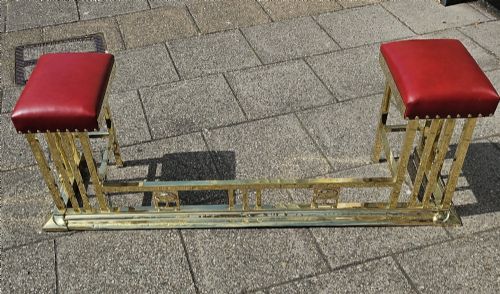
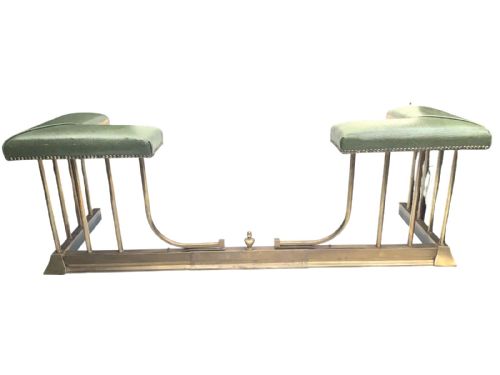

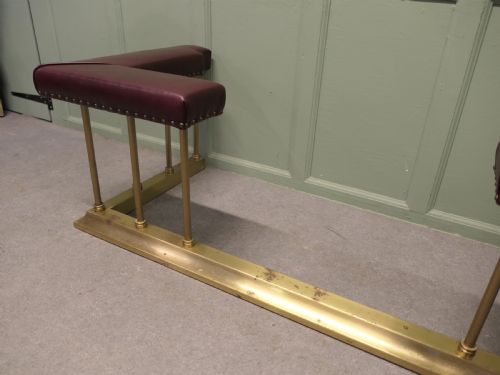


Club Fender Bench
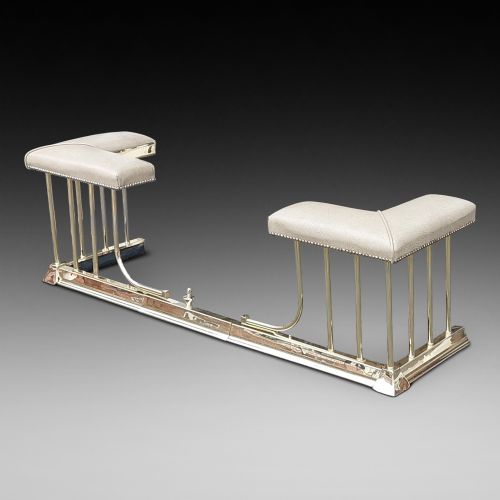
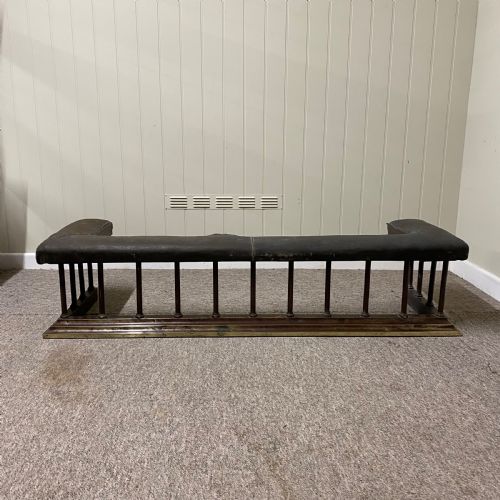
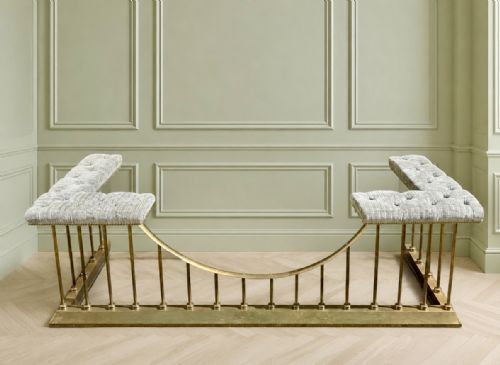
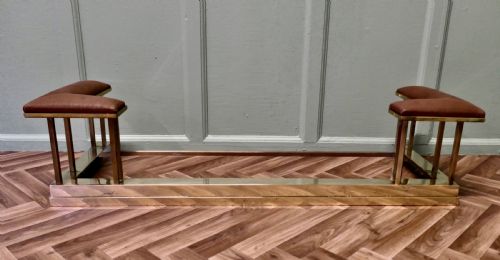
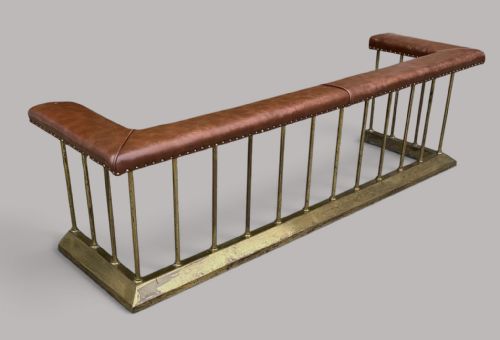
A club fender bench brings low, padded fireside seating into the room, combining sturdy metal framework with comfortable leather or fabric tops.
Club Fender Bench
A club fender bench is a dual-purpose fireside furnishing that surrounds the hearth with low, upholstered seats, allowing people to sit close to the fire. When searching for a club fender bench, buyers encounter pieces spanning the 19th century, Victorian and Edwardian eras, through to the 1920s, 1930s, 1940s and 1960s.
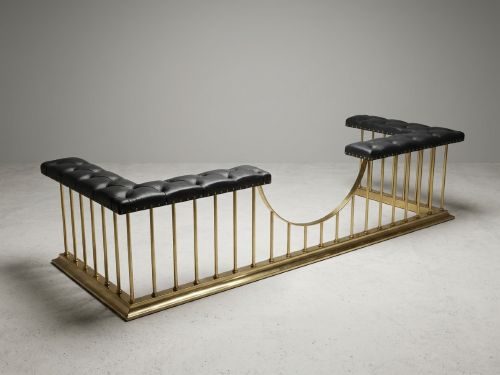
The versions most frequently met on this page are constructed from brass or steel frames paired with leather top pads, often reflecting traditional English country house aesthetics. These items function simultaneously as protective fireplace fenders and comfortable fireside benches.
How they were made
Makers built these frames using robust metals such as brass, copper, cast steel, and wrought iron, occasionally incorporating oak or mahogany elements. These structural components provide the necessary weight and rigidity to endure daily fireside use.
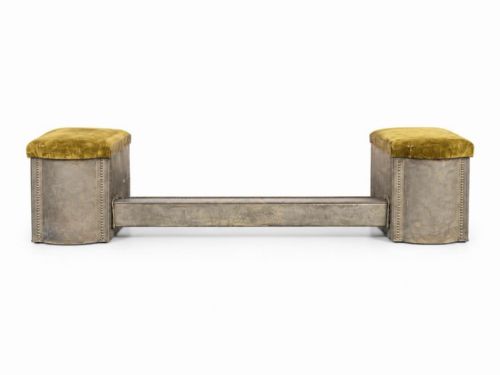
The top seat pads feature traditional upholstery finishes using materials like mature tan leather, green leather, velvet, and standard fabric. This combination of heavy metalwork and cushioned seating defines the construction of each piece.
Club Fender Bench Retail Price Guide 2026
Typical asking prices for club fender bench among the pieces listed under this phrase on Sellingantiques today, from the lower quarter to the upper quarter. They describe what is for sale here now, not the wider market.
Listings include pieces from the 19th Century, Victorian, Edwardian, and Art Deco periods, utilising brass, steel, wrought iron, and leather.
What varies in quality
The distinction between standard examples and superior pieces rests upon the substance of the metalwork and the integrity of the upholstery. Substantial gauge brass and heavy cast steel indicate higher quality than lighter, tubular alternatives.
Provenance and detailing also shape the standing of a piece, such as those originating from notable country house estates or incorporating specialised adjustable mechanisms. Finer examples display careful attention to metal finishing and leather patination.
William Birch
The Club Fender Bench Glossary
- Club fender
- A low fireside surround incorporating upholstered seats on either side of the hearth. It originated in gentlemen's clubs to maximise warmth close to the fire.
- Fireplace fender
- A metal barrier placed around a hearth to contain sparks and ash. When fitted with cushions, it becomes a club fender bench.
- Serpentine
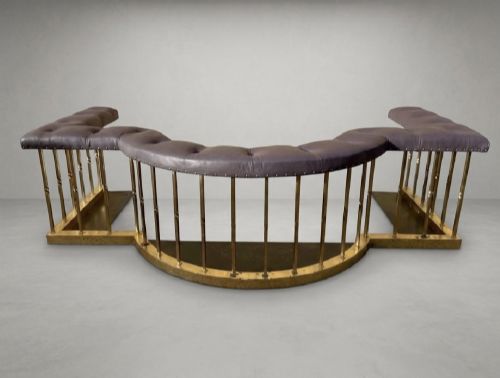
- A curved contour applied to the front outline of certain fenders. This shaping softens the rigid lines of the hearth.
- Patina
- The natural surface sheen and mellowing developed on leather and metal over decades of use. It signals age and handling.
- Adjustable
- A fender designed with a telescoping frame to fit varying hearth widths. This mechanism allows for precise placement against different fireplace openings.
Club Fender Bench: Frequently Asked Questions
What is a club fender bench?
A club fender bench is a low, metal fireside surround fitted with upholstered leather or fabric seats on either side. It wraps around the hearth to provide extra seating close to the fire.
Originally designed for country houses and gentlemen's clubs, these pieces combine the protective function of a traditional fire guard with the comfort of a low bench.
How do I choose the right size?
Selecting the correct size requires measuring the width and depth of your fireplace hearth to ensure the inner dimensions fit comfortably around the opening. Some examples feature adjustable frames to accommodate varying hearth sizes.
Consider the overall proportions of the room and the height of the fireplace surround so the piece balances the surrounding space.
How do I care for the leather?
Leather seat pads benefit from regular dusting with a dry cloth and occasional treatment with appropriate leather balms to maintain suppleness. Avoiding direct, intense heat from the fire helps prevent the leather from drying out.
Preserving the natural finish allows the material to develop an authentic character over time without compromising the structural integrity of the upholstery.
How do I date an antique fender?
Dating relies on examining the specific metals used, the manufacturing techniques visible in the joints, and the style of the upholstery. Victorian and Edwardian examples often feature heavier cast iron or polished brass with traditional button-tufted leather.
Later 20th-century pieces from the 1920s, 1930s, or 1940s may show different decorative motifs or streamlined Art Deco influences in their metalwork.