
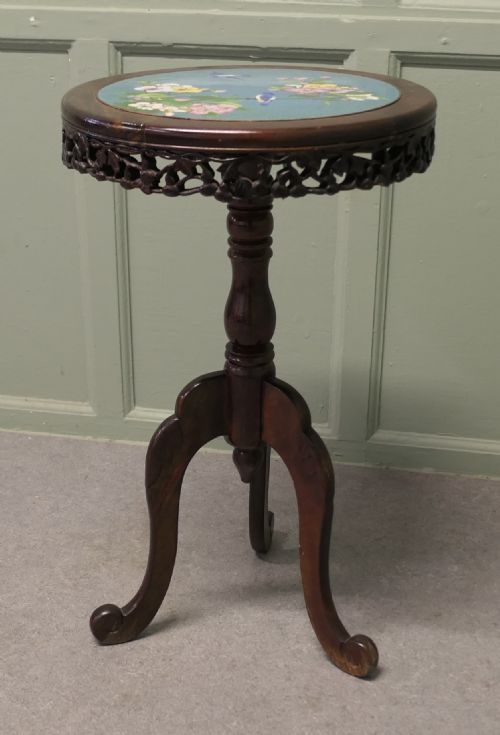
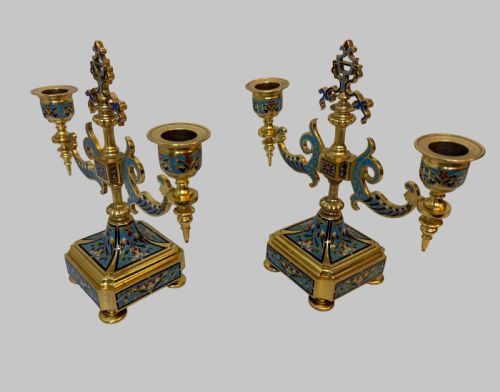

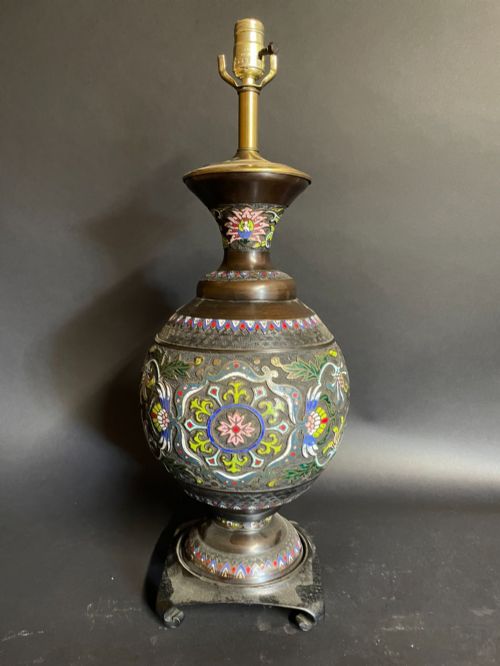


Cloisonne Enamel Table
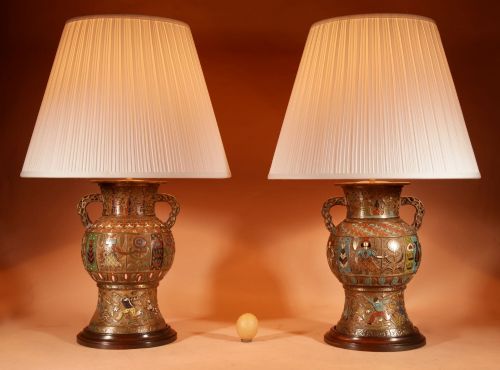
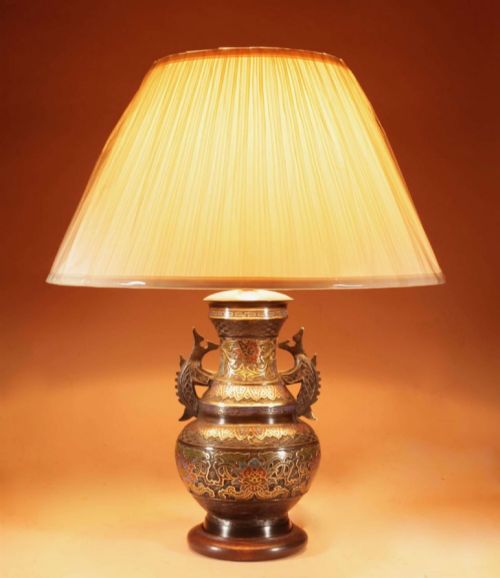
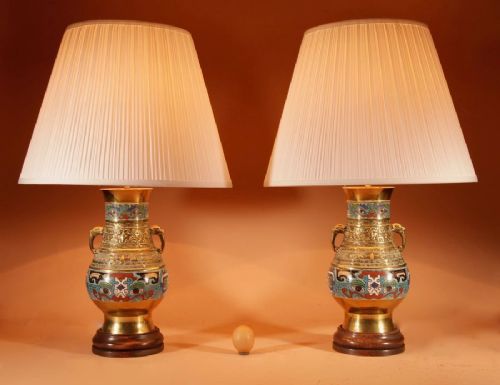
A cloisonne enamel table brings vibrant metallic wirework and rich coloured glazes into domestic spaces through nineteenth-century side and wine tables.
Cloisonne Enamel Table
A cloisonne enamel table combines structural wood or metal furniture with decorative panels created through wire-cell enamelling. These pieces frequently date from the nineteenth century, incorporating Chinese export, Japanese Meiji, and Victorian design traditions.
Buyers encounter smaller accent furniture forms such as side tables, wine tables, and centre or drum types. The defining characteristic is the inset or applied enamel panel featuring birds, flowers, and traditional oriental motifs.
Originating largely from Chinese and Japanese workshops alongside European interpretations, these tables serve as focal points for displaying decorative objects. The surfaces demonstrate a fusion of practical furniture design and intricate metalwork.
Materials and construction methods
Artisans soldered thin metal ribbons of brass, bronze, or copper onto a metallic base to form cellular patterns known as cloisons. These individual compartments were then filled with coloured enamel pastes before firing at high temperatures.
The completed enamel plaques were mounted into wooden furniture frames, sometimes alongside materials like lacquer, glass, fabric, or ormolu mounts. Structural stability relied upon traditional joinery and metal fittings suited to the period.
Surface polishing finished the metal wires flush with the hardened glass-like enamel to create a smooth, tactile panel suitable for domestic utility.
Assessing quality and execution
Quality rests upon the precision of the wirework and the depth of the enamel glazing within each cell. Finer examples display intricate patterns with minimal pitting or cloudiness in the coloured pastes.
The integration between the enamel panel and the supporting wood or bronze frame determines the overall integrity of the piece. Superior items maintain secure mountings and well-preserved surface patinas across the metal elements.
The Cloisonne Enamel Table Glossary
- Cloisonne enamel
- A metalwork technique where fine wires create cells that hold coloured glass paste fired to a smooth finish.
- Champleve
- An enamelling method where troughs are gouged directly into a bronze or brass base to hold the coloured glaze.
- Meiji Period
- A Japanese historical era lasting from 1868 to 1912 noted for exceptional decorative metalwork and export wares.
- Ormolu
- Gilded bronze mounts used decoratively on nineteenth-century furniture and clocks.
- Chinoiserie
- European artistic style reflecting Chinese aesthetic traditions through decorative motifs and furniture forms.
Cloisonne Enamel Table: Frequently Asked Questions
How do I clean a cloisonne enamel table?
Dust the surface regularly with a soft, dry cloth to prevent particulate buildup on the enamel and metal wirework. Avoid abrasive cleaners or excess moisture that could damage the antique wood or corrode the exposed bronze and brass.
For deeper maintenance, consult a professional conservator experienced in nineteenth-century metalwork and furniture preservation. Harsh chemical polishes will strip the original patina from the metallic elements.
What periods are common for these tables?
Most examples originate from the nineteenth century, spanning Victorian Britain, the Meiji period in Japan, and Qing Dynasty China. Design influences often blend oriental motifs with European furniture forms from the 1880s to the early 1900s.
Construction techniques and framing styles reflect the prevailing tastes of these decades, distinguishing them from later reproductions.
Where should I place a cloisonne enamel table?
Position the piece away from direct sunlight and strong heat sources to protect the coloured glass enamels and delicate wooden frames. Side tables and wine tables suit reception rooms where the top panel remains visible.
Ensure the placement prevents heavy impacts that could chip the brittle enamel or strain the antique joinery.
How do I identify Japanese Meiji period pieces?
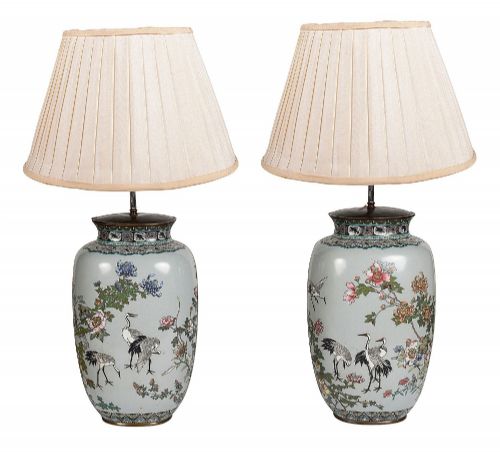
Japanese Meiji pieces typically feature meticulous wirework depicting natural subjects such as birds and floral arrangements. They often utilise bronze or copper bases combined with rich, multi-coloured enamel pastes.
Stylistic elements align with Japanese export standards from the late nineteenth century, distinguishing them from Chinese Qing Dynasty productions.