

Clear Wine Glasses
These clear wine glasses span centuries of glassmaking, offering tactile links to historic dining tables.
Clear Wine Glasses
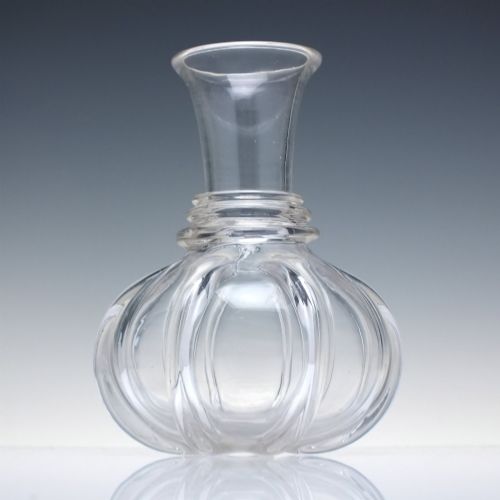
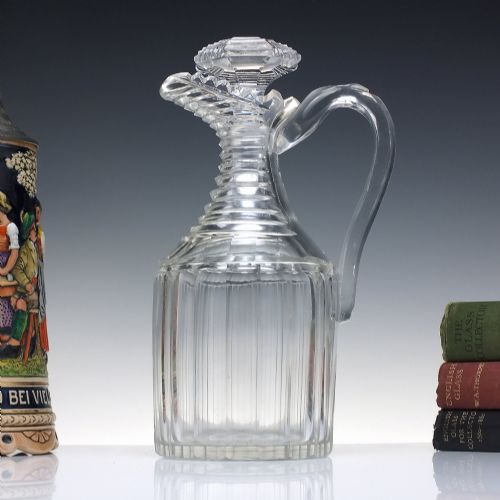
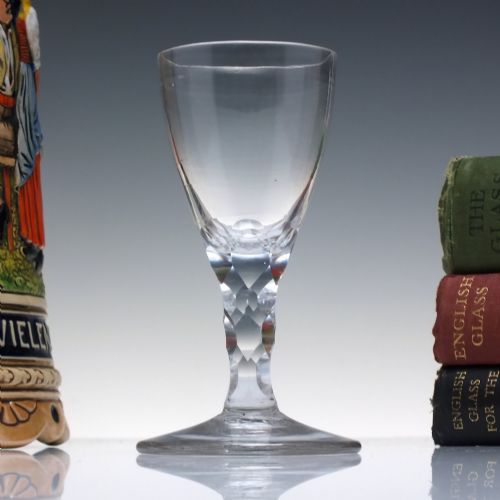
Clear wine glasses encompass historic drinking vessels, ranging from eighteenth-century baluster stems to twentieth-century crystal pieces. Buyers encounter various forms, including twist stems, heavy rummers, and tall flutes designed for historical dining.
The selection leans heavily toward eighteenth-century English examples alongside Victorian, Edwardian, and Art Deco interpretations. These pieces reflect shifting tastes in glassware through changing bowl shapes and stem constructions.
Materials and Techniques
Makers utilised lead glass and crystal to achieve brilliance, often combining blown bowls with drawn or applied stems. Heavy lead content allowed glassmakers to shape durable vessels with high clarity.
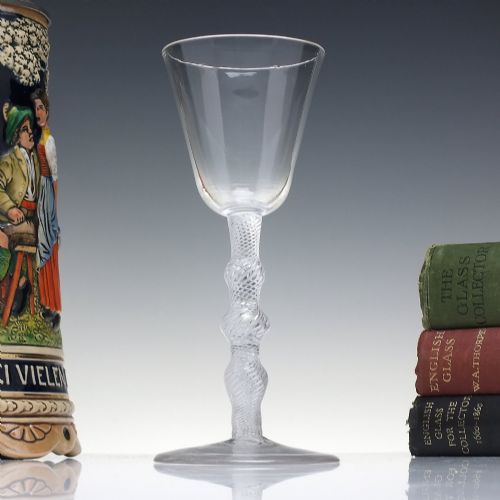
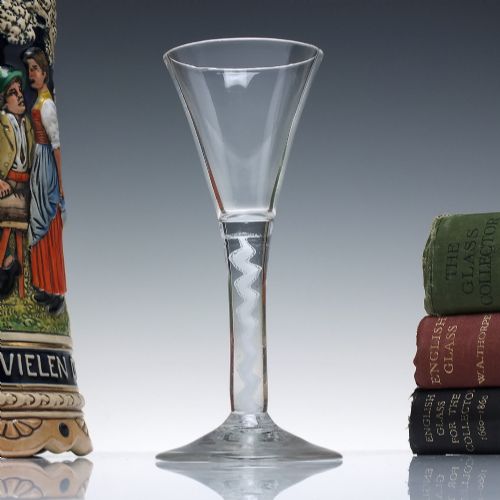
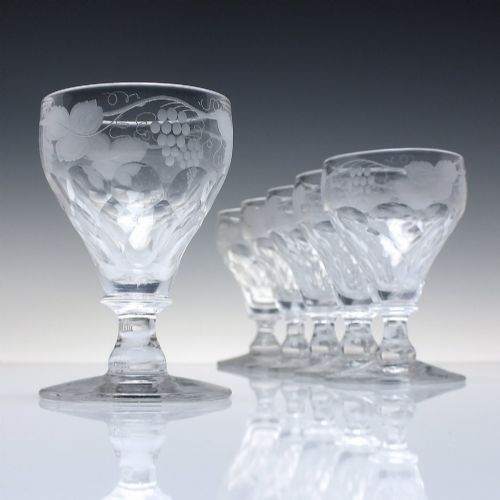
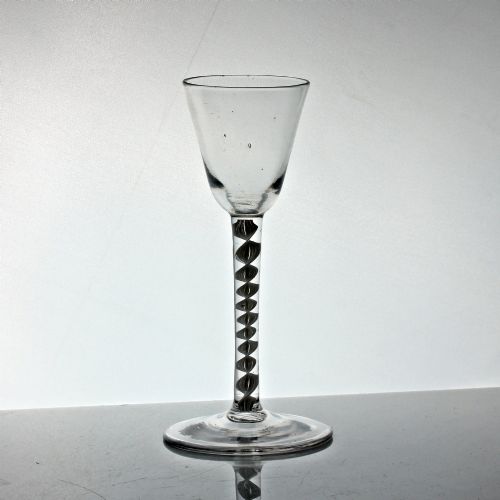
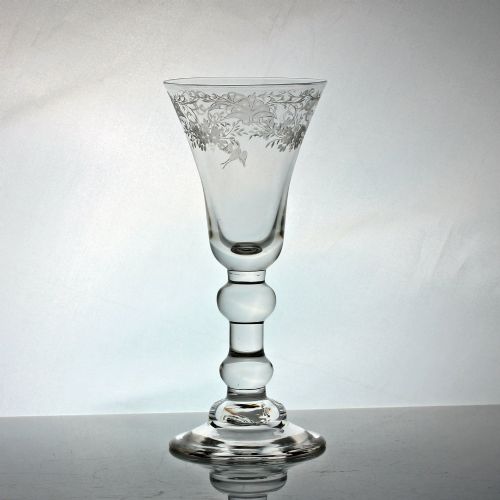
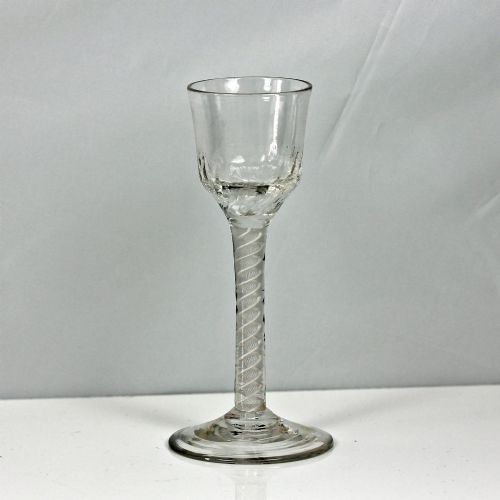
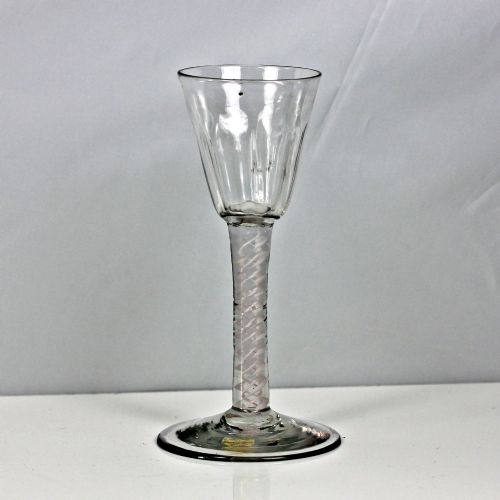
Decoration relied on wheel cutting, engraving, and the incorporation of air bubbles or white enamel twists inside the stems. Artisans manipulated the molten metal to create optical effects like wrythen fluting and folded feet.
Clear Wine Glasses Retail Price Guide 2026
Typical asking prices for clear wine glasses among the pieces listed under this phrase on Sellingantiques today, from the lower quarter to the upper quarter. They describe what is for sale here now, not the wider market.
Listings feature eighteenth-century lead glass alongside twentieth-century Art Deco crystal and silver-plated accessories.
Quality and Distinction
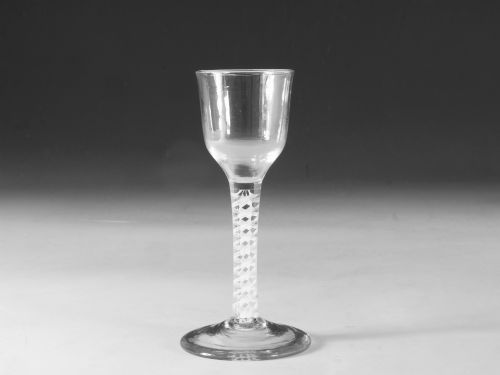
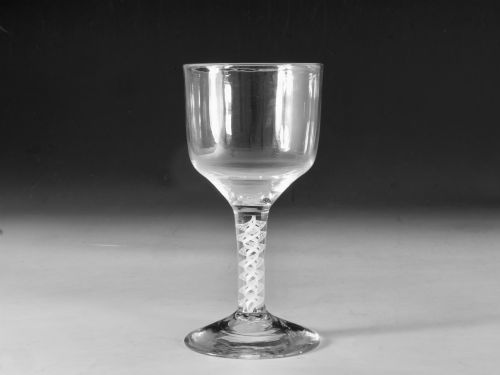
Finer examples demonstrate superior metal weight, balanced proportions, and crispness in wheel-cut or engraved details. The complexity of internal stem formations, such as double opaque twists, distinguishes sophisticated pieces from plain utilitarian wares.
Condition and originality dictate desirability, particularly regarding the integrity of the rim, foot, and surface polish. Matching sets command attention due to the difficulty of assembling historic groups intact.
Baccarat Vallee·William Comyns·PH Vogel·Moser Bohemian
The Clear Wine Glasses Glossary
- Baluster stem
- A heavy, swelling stem form reminiscent of architectural balusters, popular in mid-eighteenth-century English drinking vessels. It gives the piece a reassuring weight in the hand.
- Opaque twist
- A stem decoration formed by drawing white enamel rods through clear glass to create spiral threads. These threads appear inside single or double series configurations.
- Ogee bowl
- An
Clear Wine Glasses: Frequently Asked Questions
How do I date an old wine glass?
Dating relies on examining the bowl shape, stem construction, and foot characteristics alongside the type of glass metal used. Eighteenth-century pieces often feature pontil marks and distinct stem formations like air tears or opaque twists.
Later Victorian and Edwardian examples introduce machine-pressed elements, star-cut bases, and heavier lead crystal compositions that differ significantly from earlier Georgian methods.
What is an opaque twist stem?
An opaque twist stem contains fine white enamel glass threads enclosed within the clear stem material. Glassmakers created these by pulling and twisting canes of coloured glass during fabrication.
These twists appear in single or double series arrangements, producing intricate geometric patterns that catch the light beneath the bowl.
Can I use antique wine glasses?
Many collectors enjoy using robust historic pieces like Georgian rummers or heavy Victorian stemware for special occasions. Hand washing is essential to preserve the historic glass surface and avoid thermal shock.
Delicate eighteenth-century twist glasses require extra care due to their thin walls and fragile drawn stems.