
Clear Glass Wine Stem
These early vessels bring tactile weight and historic form to the table, making a clear glass wine stem an essential pursuit for any serious collector.
Clear Glass Wine Stem
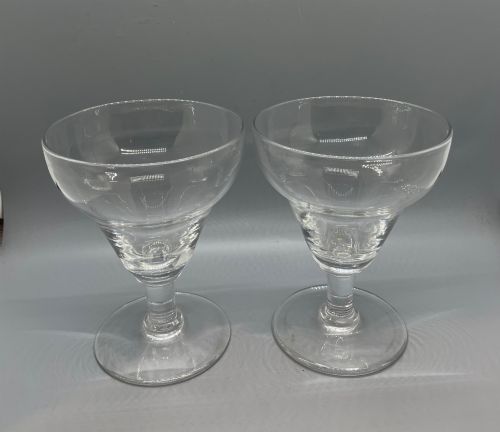
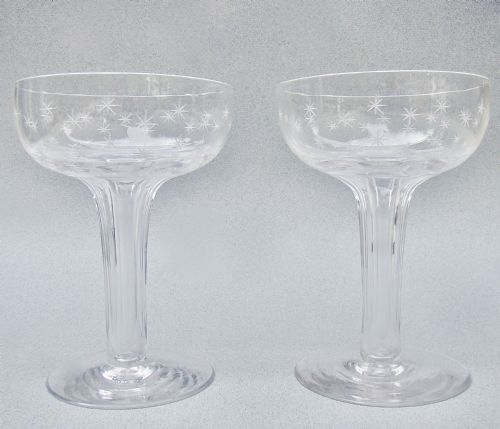
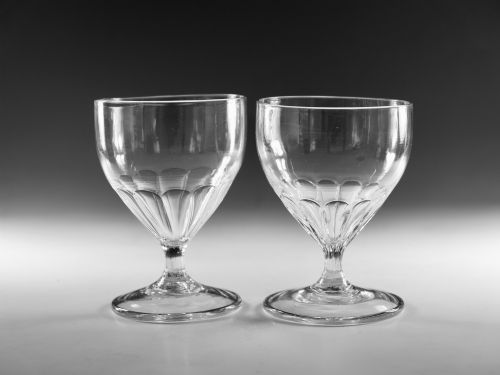
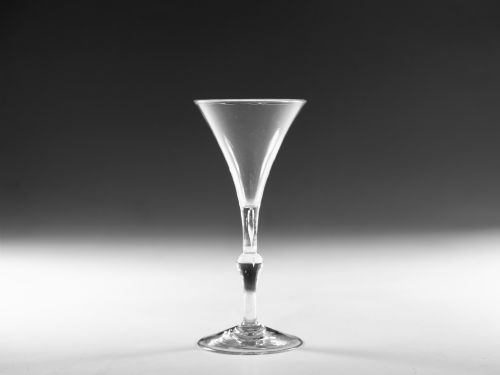
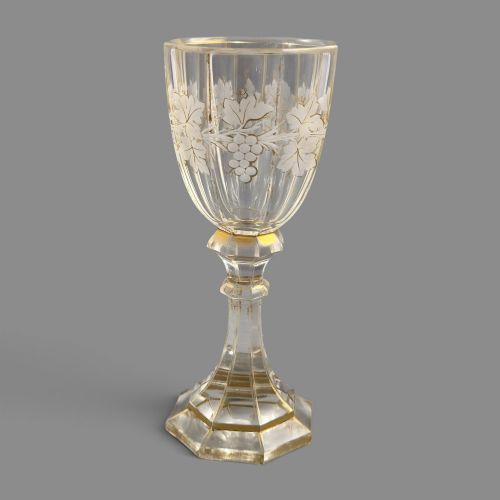
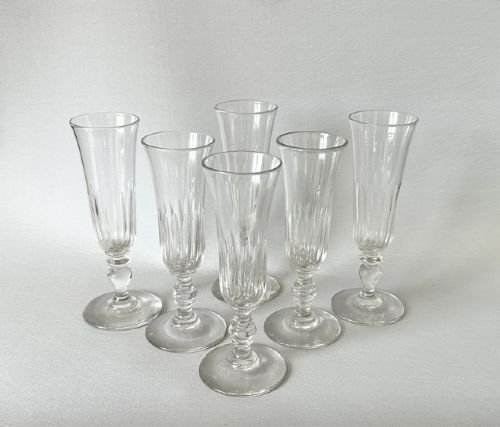
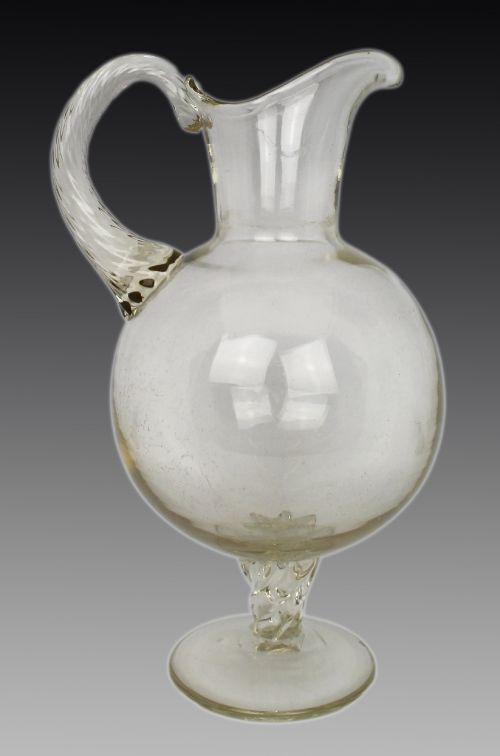
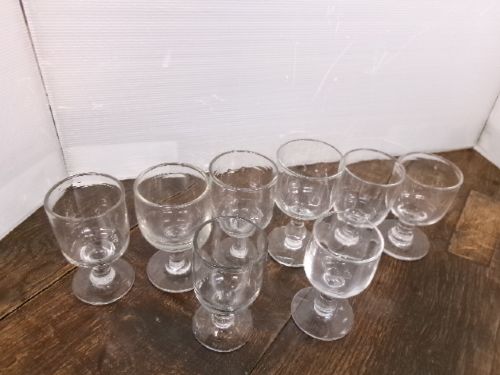
A clear glass wine stem encompasses drinking vessels designed for wine and celebratory pours, ranging from modest tavern glasses to ceremonial armorial goblets. The pieces seen here stretch from eighteenth-century baluster and twist stems through Victorian rummers to later flutes and revival forms.
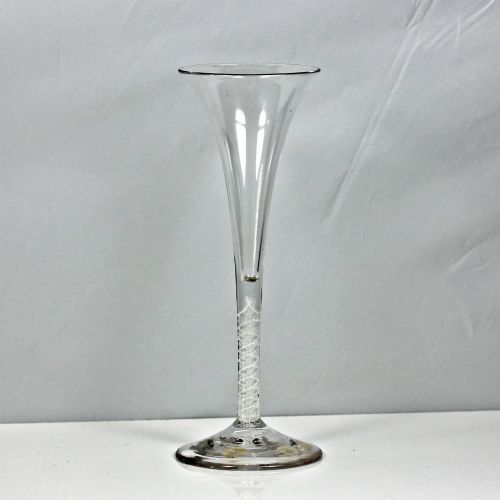
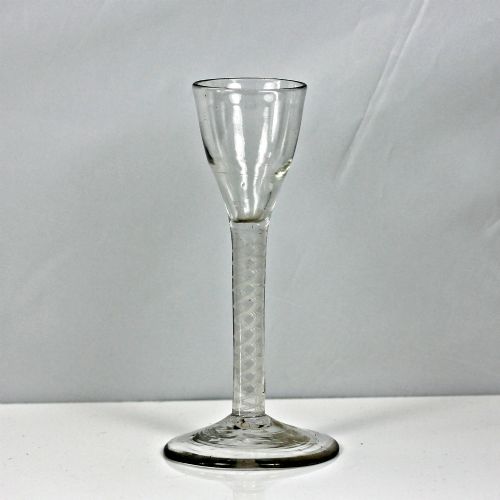
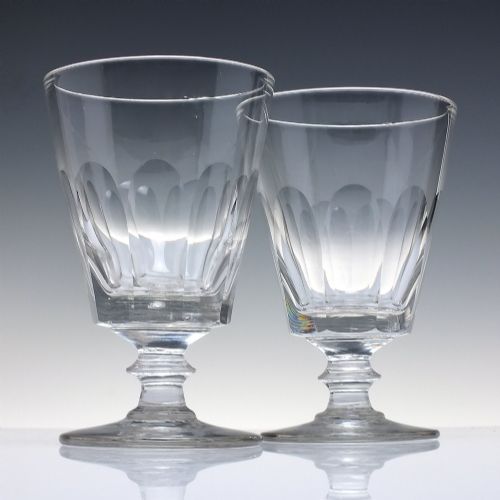
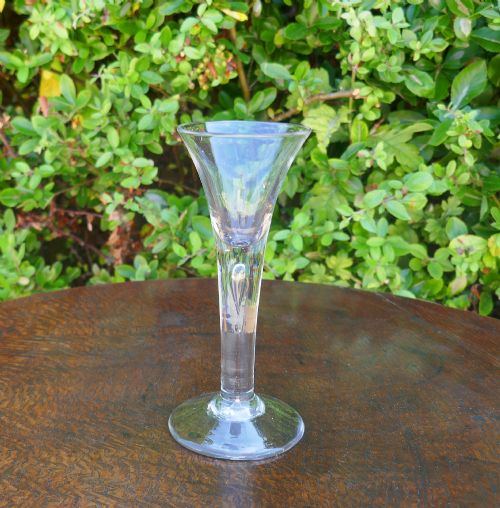
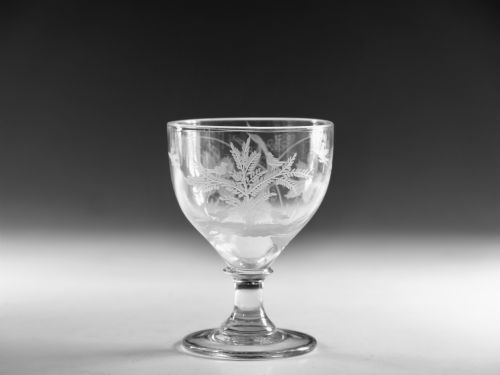
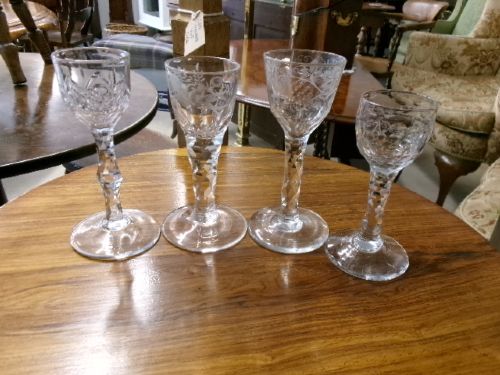
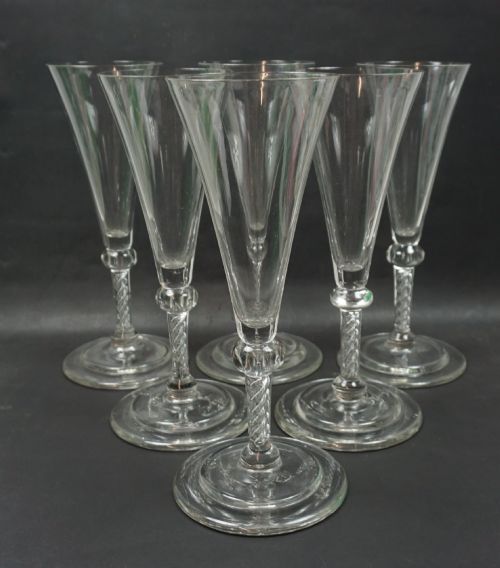
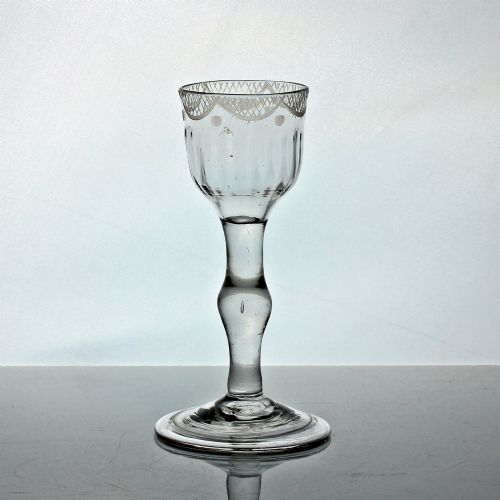
The most common examples on this page are eighteenth-century Georgian wine glasses featuring air twists, opaque twists, and plain stems alongside nineteenth-century rummers and champagne glasses. Forms include trumpet bowls, ogee bowls, and heavy baluster stems supported on wide foot bases.
Origins span English glasshouses alongside continental European centres such as Bohemia and Italy, reflecting diverse manufacturing traditions across the eighteenth, nineteenth, and early twentieth centuries.
Materials and methods of production
Makers utilised lead glass, flint glass, and clear lead crystal, materials prized for their refractive brilliance and suitability for manipulation while molten. The addition of lead oxide produced a heavier metal that allowed glassmakers to draw out slender stems and form complex knops.
Hot-working techniques included hand-blowing into moulds, trailing enamel, and drawing out air twists or opaque twists within the stem itself. Surface decoration relied upon diamond-point engraving, wheel-engraving, star-etching, and gilding applied after the vessel cooled.
Keep an eye out for tiny trapped air bubbles inside the stems - eighteenth-century glassmakers considered them proof of honest handcrafting.
Quality variations in historical glassware
The standard of a clear glass wine stem depends upon the clarity of the metal, the crispness of the engraved or moulded bowl, and the symmetry of the stem formation. Early lead glass displays a deep lustre and substantial weight that separates superior pieces from lighter, later commercial wares.
Attention to detail in the foot and stem dictates desirability, particularly where air bubbles, knops, and twist formations are balanced without distortion. Engraving quality ranges from simple wheel-cut motifs to intricate rococo armorials executed by skilled hands.
Moser·Theresienthal
The Clear Glass Wine Stem Glossary
- Baluster
- A heavy, swelling stem form inspired by architecture, common in eighteenth-century English drinking vessels. It gives the piece a noticeable heft in the hand.
- Opaque twist
- A stem containing white or coloured enamel threads drawn into spiral patterns during manufacture. This technique creates intricate internal white threads visible through the clear glass.
- Air twist
- A stem enclosing elongated bubbles drawn into threads and twisted within the glass. The effect catches the light as the glass turns.
- Ogee
- A bell-shaped bowl curving out at the rim with an S-shaped profile. It provides a balanced shape often paired with twist stems.
Clear Glass Wine Stem: Frequently Asked Questions
How do I date a clear glass wine stem?
Dating relies on observing the form of the bowl, the construction of the stem, and the characteristics of the foot. Pontil marks underneath the base and the composition of the metal also offer clues to the period of manufacture.
Eighteenth-century examples often display folded feet or heavy baluster profiles, whereas Victorian pieces tend toward heavier pressed or cut rummers and star-etched champagne flutes.
Were these glasses used only for wine?
While many were intended for wine, the category encompasses vessels designed for ale, champagne, sweetmeats, and spirits. Larger rummers served multiple dining and tavern purposes over centuries of use.
Specialist forms such as sweetmeat glasses and tall flutes catered to specific courses and social rituals at the dining table.
What is an air twist stem?
An air twist is formed by trapping air bubbles within the molten glass and drawing or twisting the metal so the bubbles elongate into spiral threads. This optical effect appears entirely contained within the solid stem.
Makers perfected this method in the eighteenth century to create decorative stems that remain clear yet highly textured.