



Clear Glass Silver Pitcher
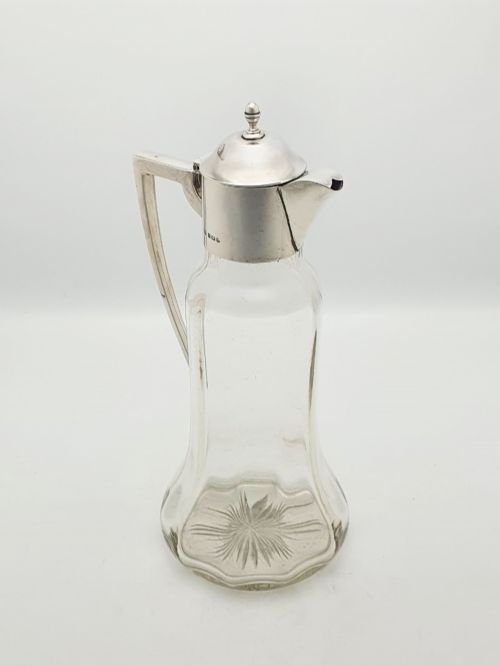
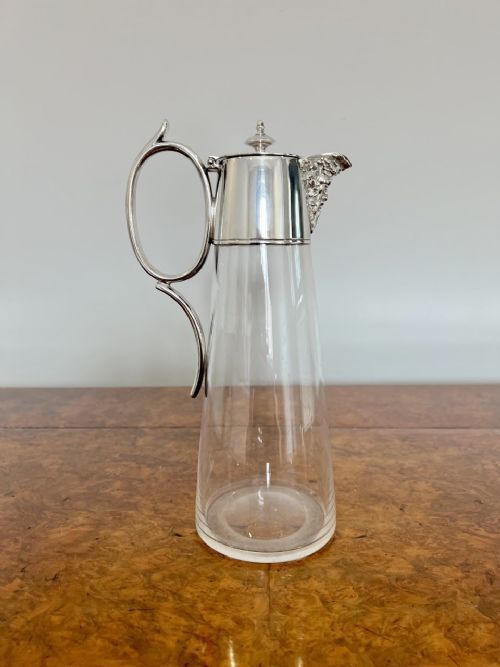
A clear glass silver pitcher brings together transparent vessels and metal mounts to serve wine, water or spirits.
Clear Glass Silver Pitcher
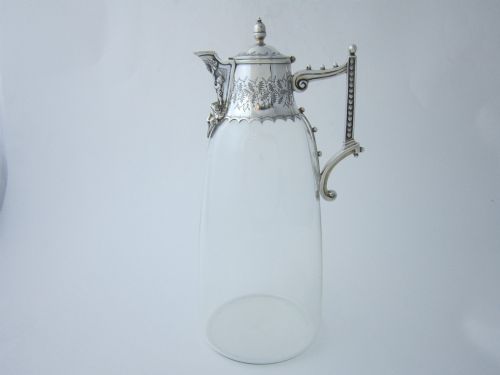
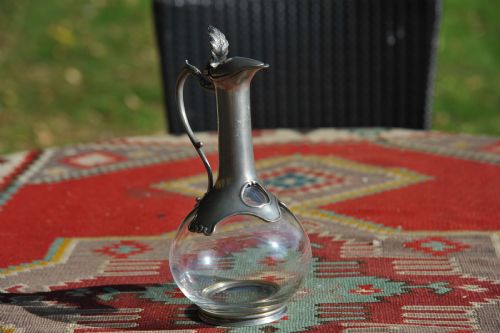
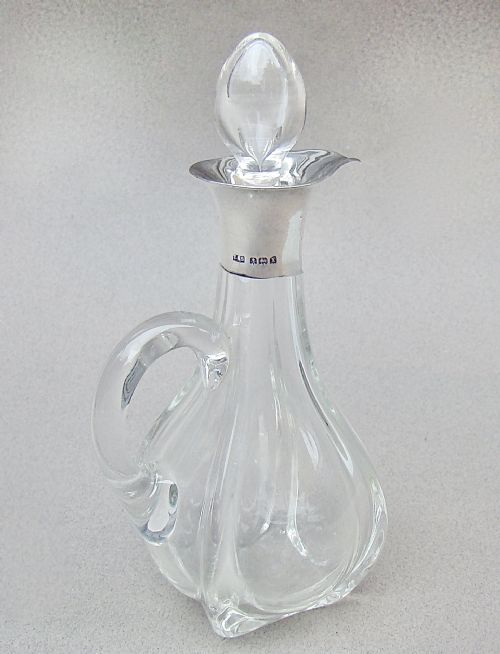
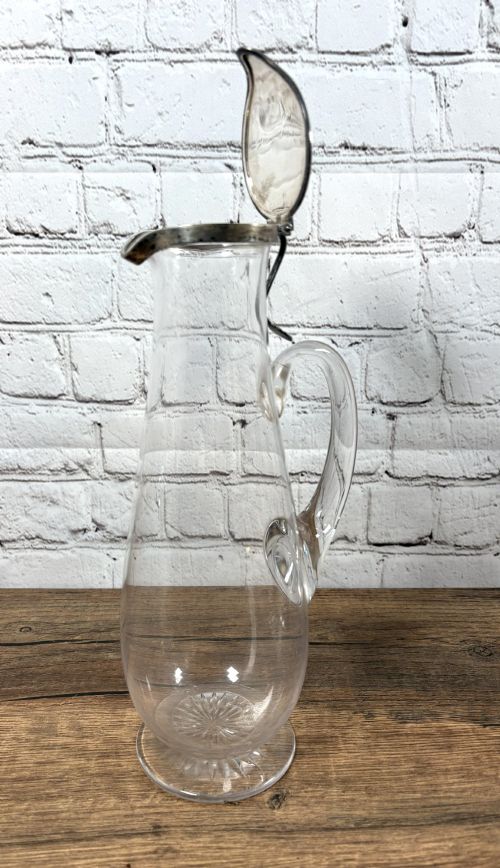
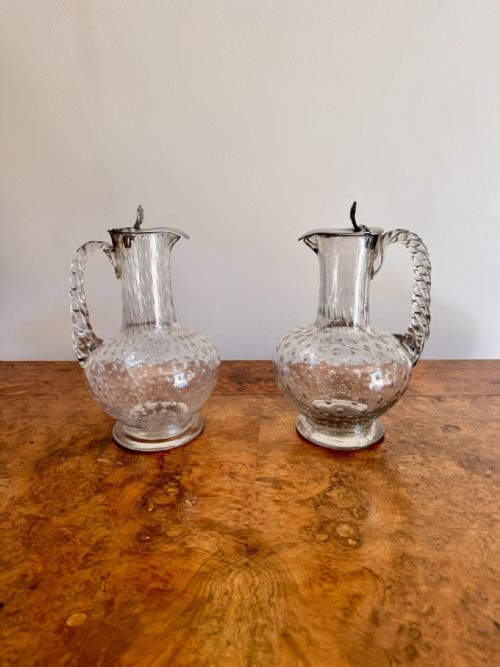
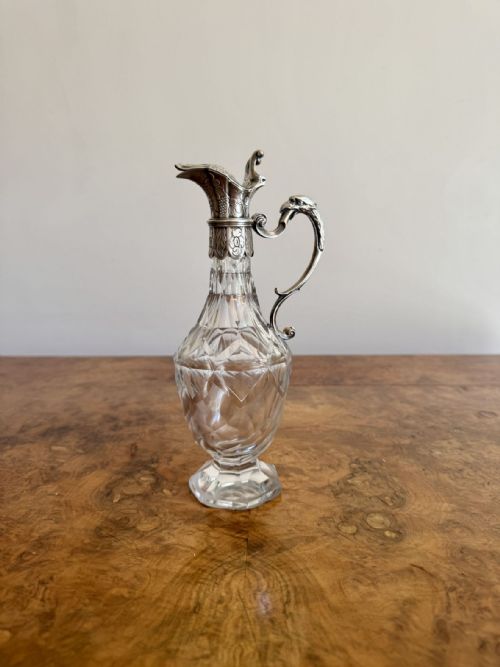
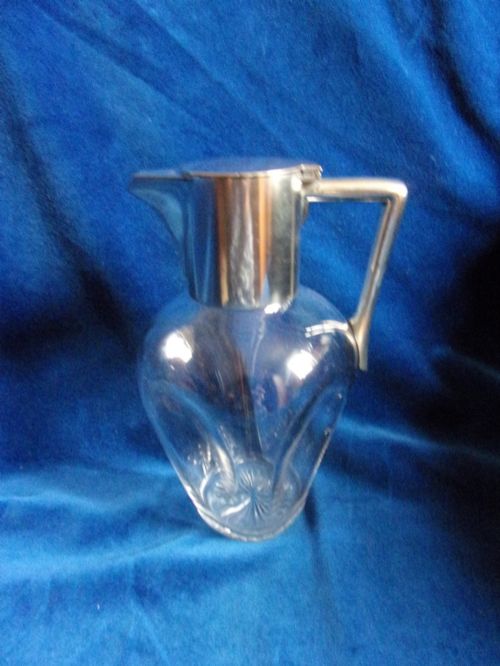
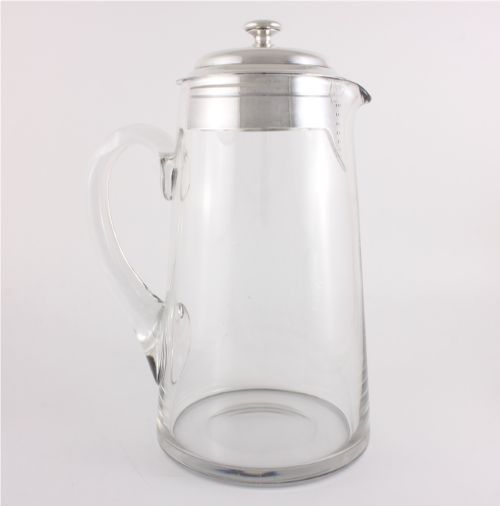
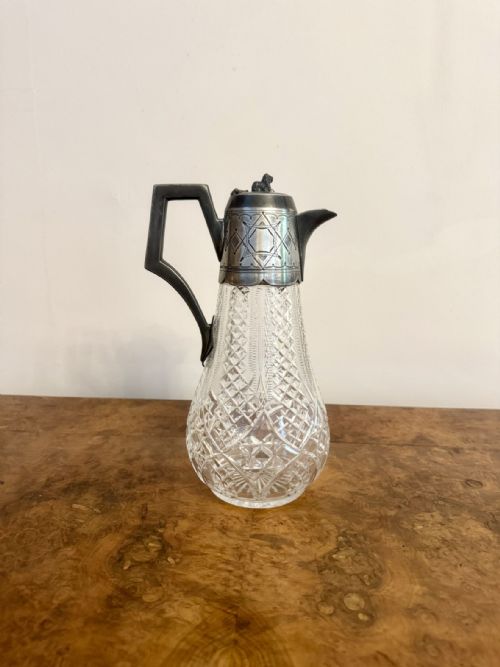
A clear glass silver pitcher combines a transparent vessel body with metal mounts, appearing across styles from Victorian and Edwardian periods through to mid-century modern design. The versions most commonly met on this page take the form of claret jugs, decanters and water pitchers.
Makers utilised glass bodies shaped through cutting, engraving or etching, paired with mounts cast in sterling silver, silver plate, pewter or white metal. These serving pieces span functional tableware and barware, including whisky noggins, oil bottles and cocktail shakers.
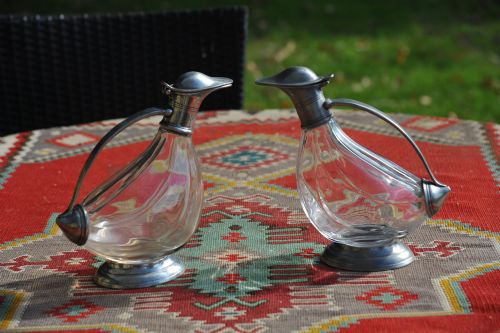
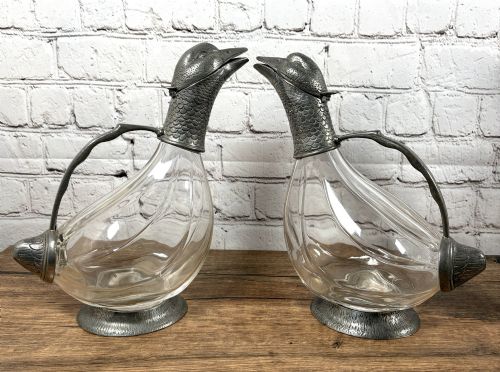
Examples range from nineteenth-century Continental ewers to twentieth-century French and Italian pieces, often incorporating animal forms such as ducks, cockerels and boars' heads. The defining characteristic across the selection is the union of glass and metal components.
Materials and construction methods
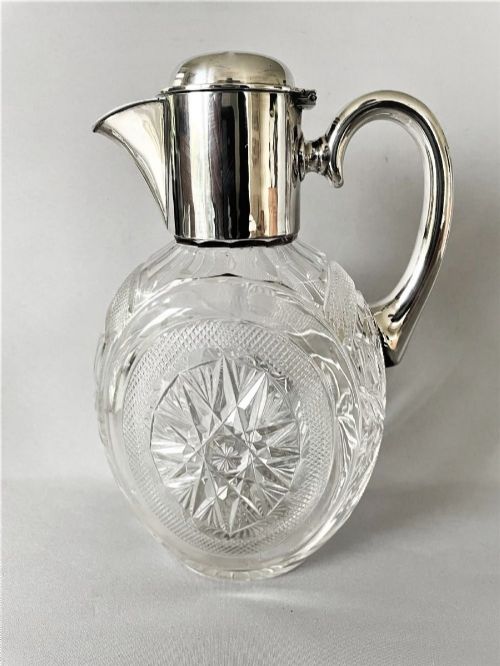
Vessels are formed from clear glass, cut crystal or etched glass, frequently displaying deep facet cutting or linear engraving across the body. Metal mounts, handles and hinged lids are fashioned from sterling silver, silver plate, pewter or white metal, attached securely to the glass necks.
Silversmiths and metalworkers cast and solder handles, collars and spouts, sometimes integrating internal ice tubes or employing specialised mechanisms for pouring. Design workshops utilise maker-specific patterns, combining blown or moulded glass with detailed metalwork.
Clear Glass Silver Pitcher Retail Price Guide 2026
Typical asking prices for clear glass silver pitcher among the pieces listed under this phrase on Sellingantiques today, from the lower quarter to the upper quarter. They describe what is for sale here now, not the wider market.
The listings on this page span the Victorian, Edwardian, Art Deco and mid-century periods, utilising sterling silver, silver plate, pewter and cut crystal.
Distinctions in execution and design
Quality rests upon the crispness of the glass cutting and the weight of the metal mounts, alongside the precision of the fit between glass and collar. Pieces bearing recognised maker marks or specific design numbers demonstrate higher levels of workshop execution.
The complexity of the form, such as zoomorphic designs or engraved foliate patterns, separates standard production items from more ambitious decorative vessels.
Hukin & Heath·Levi & Salaman·Christofle·Mappin & Hall & Co·Mappin & Webb·Elkington·William Davenport·Valenti
The Clear Glass Silver Pitcher Glossary
- Claret jug
- A specialised vessel designed for serving red wine, typically featuring a glass body and a metal handle, collar and hinged lid.
- Cut glass
- Glass decorated by cutting facets or patterns into the surface using a rotating wheel, creating reflective planes.
- Silver plate
- A base metal, such as copper or Britannia metal, coated with a thin layer of pure silver through electroplating or older fusion methods.
- Whisky noggin
- A small vessel used for serving spirits, frequently incorporating a silver mount and a pouring lip.
- Ewer
- A large pitcher with a wide spout and a curved handle, used historically for pouring water or wine.
Clear Glass Silver Pitcher: Frequently Asked Questions
What are clear glass silver pitchers used for?
These vessels were designed for serving beverages at the dining table, including claret, water, lemonade and whisky. Their construction allowed hosts to pour table drinks while displaying the clarity of the glass and the brightness of the metal mounts.
Over time, many of these pieces transitioned from active dining service to display items or barware collections. They remain functional for serving drinks when handled with appropriate care.
How do I identify the period of a piece?
Dating relies on stylistic markers such as Victorian ornamentation, Edwardian elegance, Art Nouveau curves or Art Deco geometric forms. Silver mounts often carry hallmarks, sponsor marks and date letters that provide specific years of manufacture.
Comparing the glass cutting style and the shape of the handle against known period designs helps confirm the era of production.
How should I clean silver mounts on glass?
Silver mounts require gentle cleaning with a soft cloth and a specialised silver polish, taking care to avoid getting polish onto the glass surface. Rinsing with warm water removes residue from crevices in the metalwork.
Harsh abrasives and immersion in chemical dips should be avoided, particularly where silver plate or soldered joints are present.
What is the difference between a claret jug and a decanter?
A claret jug generally incorporates a hinged lid, a handle and a pouring spout attached via a metal collar around the neck. This design allowed for controlled pouring of wine at the table without removing a stopper.
Standard decanters more frequently rely on a glass stopper fitting directly into the neck of the vessel rather than a hinged metal lid.