



Clear Glass Panel
These clear glass panel examples bring genuine historic character to a room, offering authentic light diffusion and period craftsmanship.
Clear Glass Panel
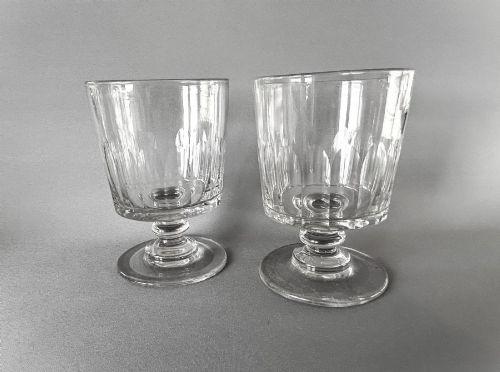
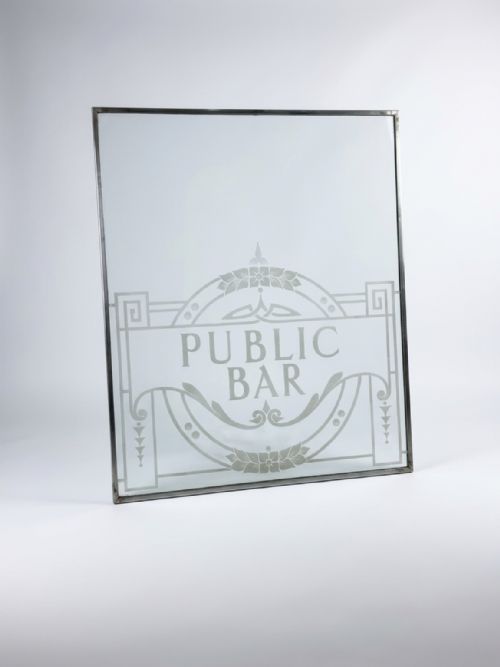
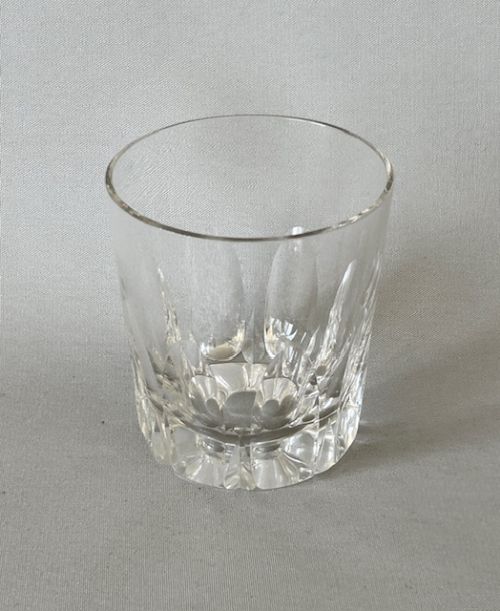
A clear glass panel encompasses architectural salvage elements such as etched pub windows and leaded window sections incorporating bullseyes, alongside vessel forms like panel moulded jelly glasses and panelled ovoid vases.
Buyers seeking a clear glass panel most frequently encounter Victorian windows, architectural salvage, and table glassware spanning periods from the eighteenth century to the early twentieth century.
The category bridges decorative household vessels and larger structural window panels, uniting them through transparency, cut or etched decoration, and structural panel moulding.
How they were made
Makers utilised lead, wood, and metal frames to hold sections of glass together in architectural window panels, incorporating hand painted fruit, flowers, and swags onto the glass surface.
Vessels and windows alike display lead glass, lead crystal, cut glass, and etched glass techniques, often employing panel moulding or overlay methods to achieve distinct structural and decorative facets.
Clear Glass Panel Retail Price Guide 2026
Typical asking prices for clear glass panel among the pieces listed under this phrase on Sellingantiques today, from the lower quarter to the upper quarter. They describe what is for sale here now, not the wider market.
This site's listings show pieces spanning the 18th Century, Victorian period, and Edwardian era, incorporating glass, wood, lead, and metal.
What varies in quality
Quality rests in the precision of the cutting, the complexity of the hand painted floral or fruit designs, and the crispness of the panel moulding on both windows and glassware.
The integrity of the lead cames in windows and the clarity of the underlying glass distinguish finer examples from simpler utilitarian items.
The Clear Glass Panel Glossary
- Lead glass
- Glass containing lead oxide which increases brilliance and weight. This material allows for deeper and sharper cutting.
- Panel moulded
- Glass formed in a multi-part mould that leaves distinct vertical facets or panels on the body. This technique dates across multiple centuries of production.
- Bullseye
- A circular distortion or central knot in blown glass formed where the punty rod was attached. These appear frequently in older window glass.
- Etched glass
- Glass treated with acid to create opaque or frosted surface designs. It permits light transmission while obscuring direct views.
Clear Glass Panel: Frequently Asked Questions
What is a clear glass panel?
A clear glass panel is a term covering both architectural window salvage and faceted glassware items. These pieces feature transparent glass shaped by moulding, cutting, or etching.
They serve as decorative elements or structural window components. Their forms range from nineteenth-century pub windows to eighteenth-century jelly glasses.
How were old glass windows made?
Old glass windows were constructed using individual panes of glass held within lead cames or metal frameworks. Artisans often embellished these panels with hand painted floral or fruit motifs.
Techniques included incorporating bullseyes and etching the glass surface. This created detailed windows for domestic and commercial settings.
How do I date a glass panel?
Dating relies on observing the framing materials, the presence of lead cames, and decorative styles such as Victorian painted swags. Window salvage often bears specific characteristics of nineteenth or early twentieth-century architecture.
Tableware variants show period traits through jelly glass forms and cut glass patterns. Comparing these details against known eras helps establish age.
Where were glass panels used?
Historic glass panels were installed in domestic houses, commercial buildings, and public spaces like pubs. Larger leaded windows provided exterior light while offering privacy through painted or textured sections.
Smaller panel items functioned as tableware or decorative vases. Their utility depended entirely on whether the item was architectural salvage or domestic glassware.