









Clear Glass Bell
A clear glass bell brings crisp transparency and historic craftsmanship into a room, spanning wine glasses, decanters, and display domes.
Clear Glass Bell
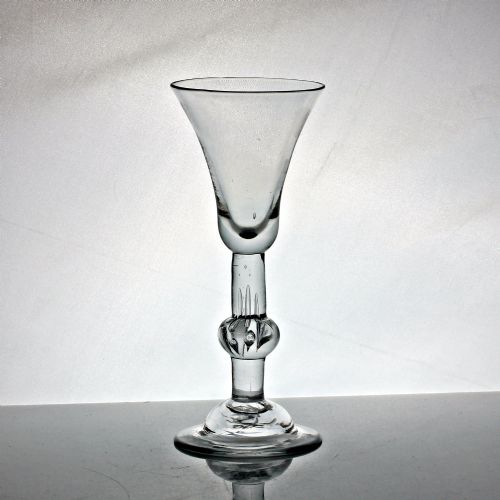
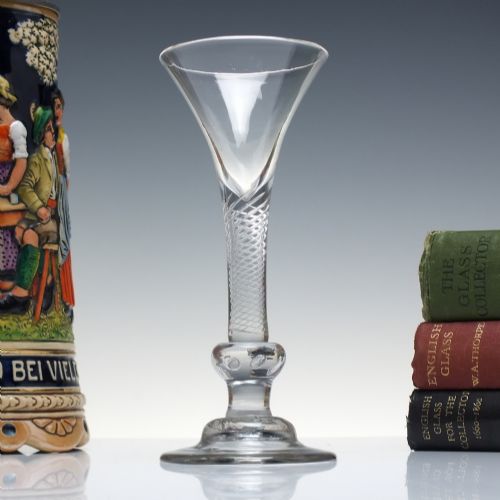
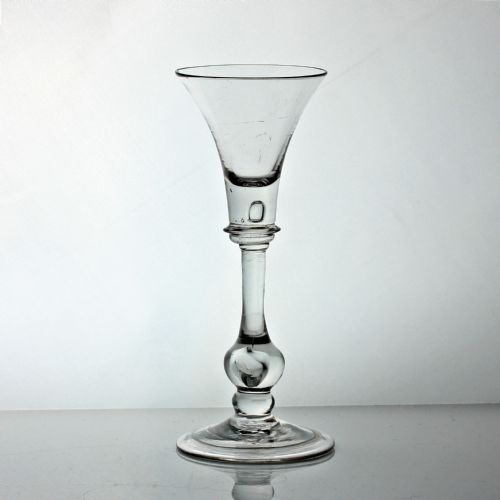
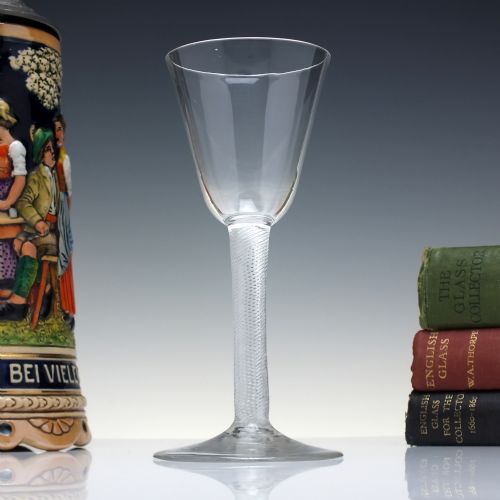
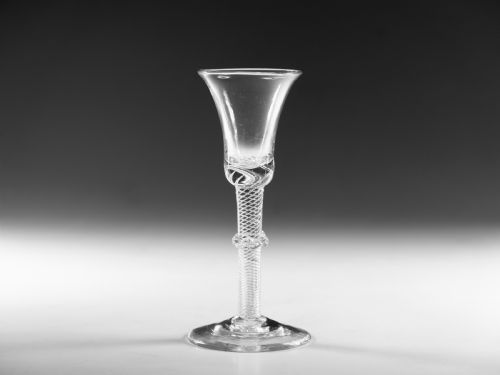
When you search for a clear glass bell, you encounter a variety of forms shaped largely by 18th-century drinking vessels and later display domes. The clearest examples on this page are the bell bowls of Georgian wine glasses, featuring folded, domed, or plain feet alongside air twist and opaque twist stems.
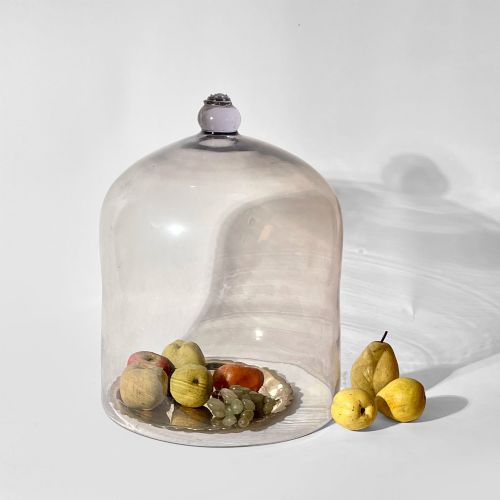
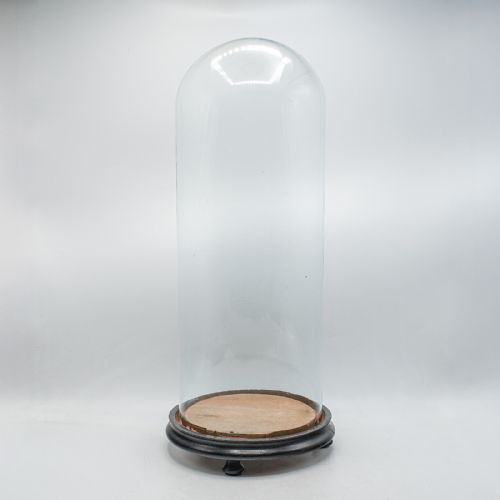
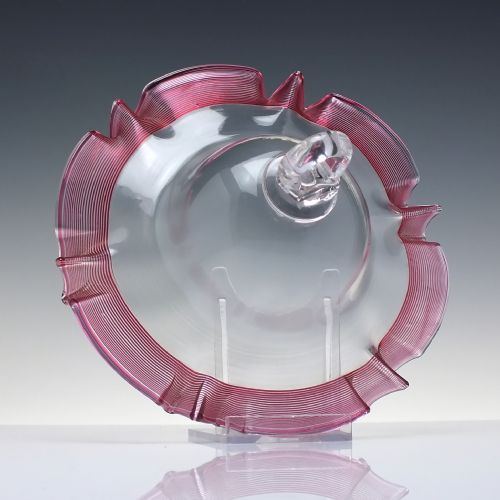
Beyond glassware, the selection extends to Edwardian display domes with wood bases used for taxidermy and showcases, alongside bell-shaped decanters, hand bells, and pendant lights.
These pieces cross several centuries of British and continental manufacture, moving from Georgian drinking vessels through Victorian dressing table domes and Edwardian lighting.
Materials and construction
The objects combine clear glass, lead glass, and lead crystal with bases fashioned from ebonised wood, oak, beech, and brass. Glassware relies on free-blowing, moulding, and cutting techniques to shape bowls, stems, and decanters.
Display domes utilise thick, blown clear glass paired with turned timber platters, while lanterns and lights integrate moulded glass with brass fixtures and fabric elements.
Clear Glass Bell Retail Price Guide 2026
Typical asking prices for clear glass bell among the pieces listed under this phrase on Sellingantiques today, from the lower quarter to the upper quarter. They describe what is for sale here now, not the wider market.
Listings span the 18th century through the Edwardian period, incorporating lead glass, brass, and turned wood.
Indicators of distinction
Quality rests on the optical clarity of the metal, the crispness of internal twists in glass stems, and the precise proportions of bell bowls. In display pieces, the integrity of the blown glass dome and the execution of the turned wooden base set individual items apart.
The finesse of cutting on decanters and the complexity of air or opaque twists in Georgian glassware distinguish standard domestic items from more ambitious workshop productions.
The Clear Glass Bell Glossary
- Bell bowl
- A drinking vessel bowl shaped like an inverted bell, characteristic of mid-18th-century English wine glasses and goblets. This profile provides stability and concentrates aromas.
- Air twist
- An optical effect within a glass stem created by drawing out elongated air bubbles through the metal during the drawing process. These can appear as single, multi-spiral, or composite formations.
- Opaque twist
- A stem decoration formed by enclosing white or coloured enamel glass threads within the clear glass stem, often arranged in single or double series cables.
- Display dome
- A blown glass cover, sometimes called a cloche, paired with a wooden base to protect delicate objects like taxidermy, clocks, or artificial flowers.
- Baluster
- A heavy, swelling stem form derived from architectural pillars, frequently seen on early 18th-century drinking vessels with knops and collars.
Clear Glass Bell: Frequently Asked Questions
How do I date a glass bell bowl?
Dating relies on the manufacturing traits of the metal, the form of the foot, and the style of the stem. Georgian examples often feature folded feet and air or opaque twists.
Later Victorian and Edwardian pieces show heavier, clearer metal with simpler stems or distinct utilitarian functions like decanters and hand bells.
What were glass domes used for?
Display domes served to protect fragile decorative items, taxidermy, and clocks from dust in Victorian and Edwardian homes. They sat on turned wooden bases made of oak, beech, or ebonised wood.
These showcases allowed owners to display preserved specimens and still-life arrangements safely in domestic parlours.
What is an air twist stem?
An air twist is a decorative feature inside a glass stem formed by trapping and pulling air bubbles into a spiral thread during manufacture. Makers used single, multiple, or composite spirals to add visual interest.
This technique is particularly associated with mid-18th-century English drinking glasses and wine goblets.
How do I care for antique glass?
Antique glass requires gentle hand washing in warm water with mild detergent, avoiding harsh scrubbing or sudden temperature changes. Domes and decanters should be lifted carefully by their main bodies rather than applied hardware.
Wooden bases benefit from occasional waxing with appropriate formulations to keep the timber conditioned.