
Clear Crystal Wine Glasses
Clear crystal wine glasses bring weight and brilliance to the table, uniting centuries of refined drinking vessels from Georgian twists to Edwardian cuts.
Clear Crystal Wine Glasses
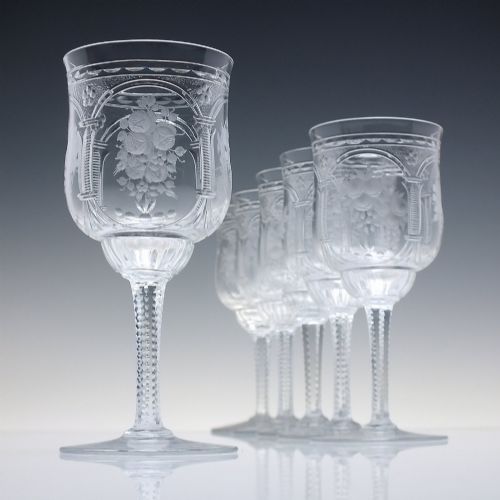
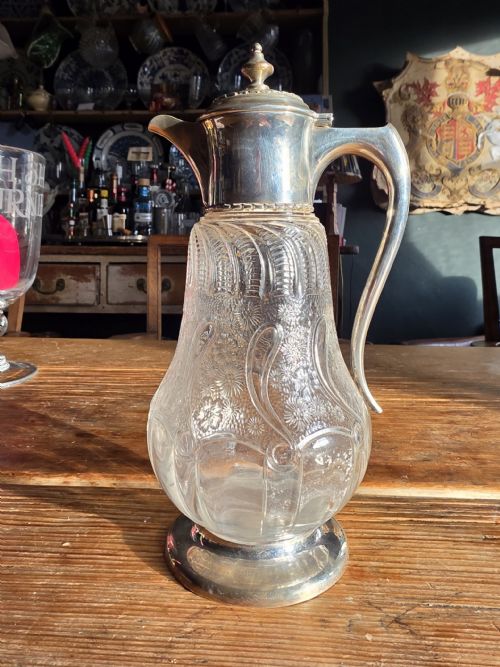
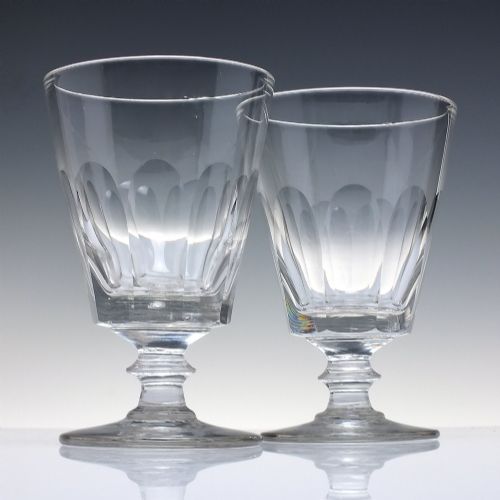
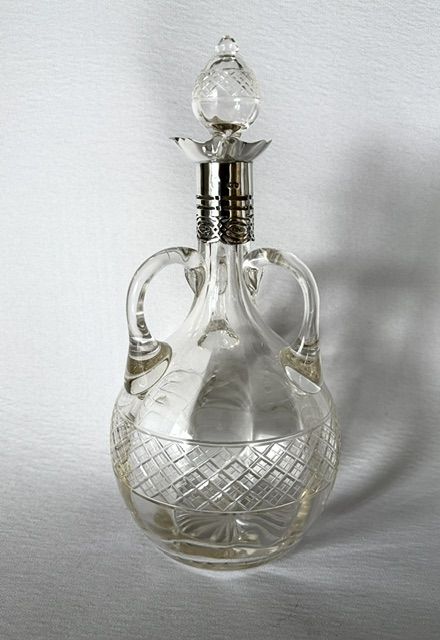
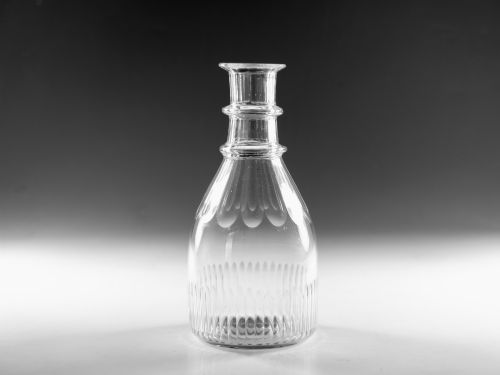
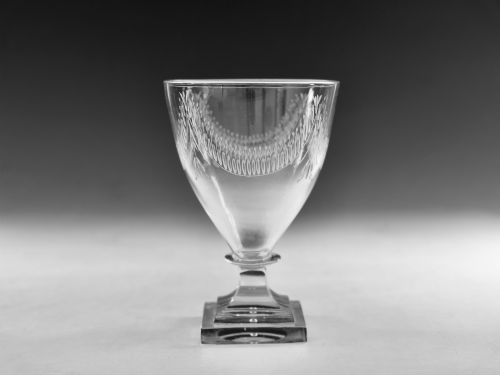
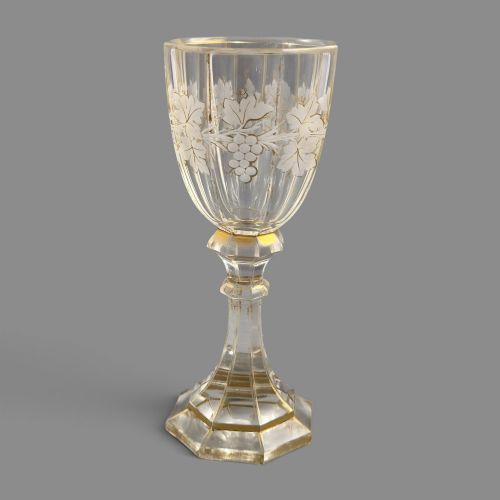
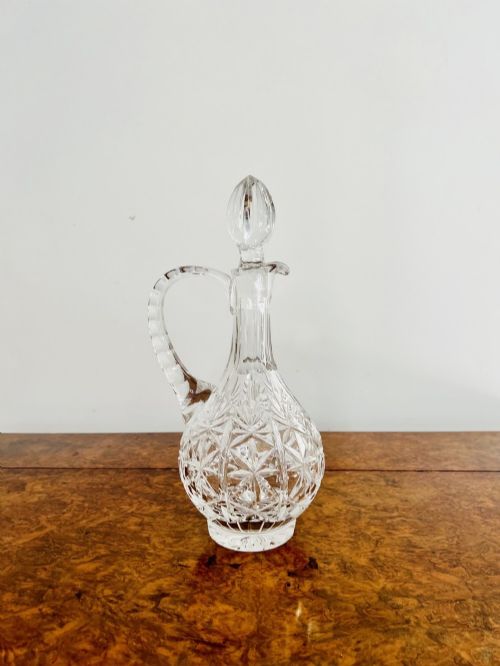
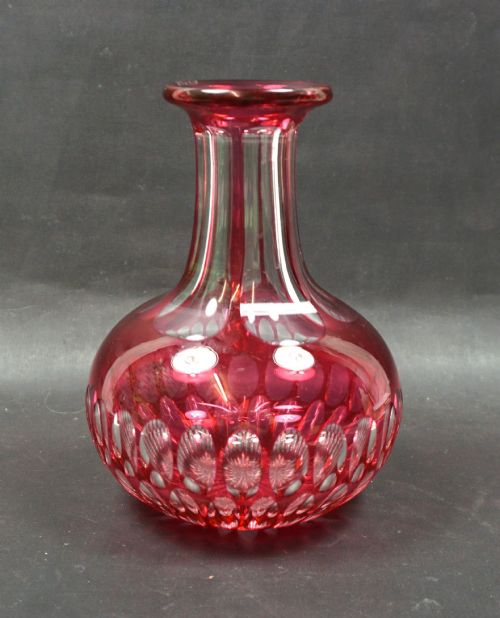
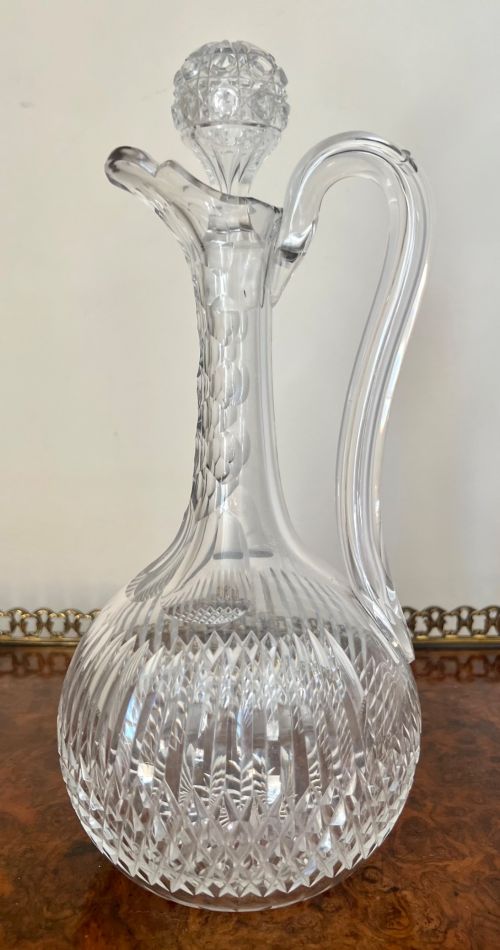
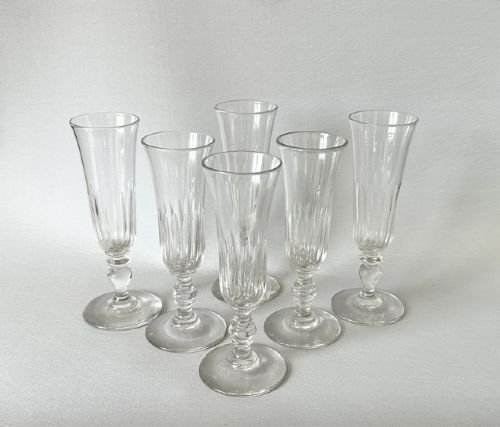
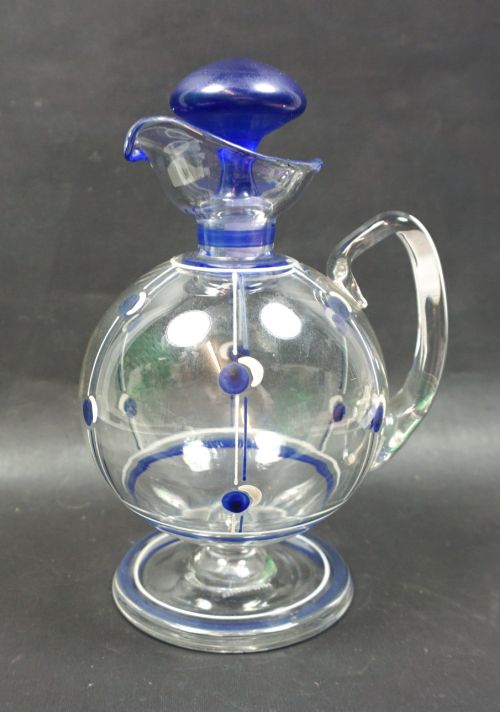
When you search for clear crystal wine glasses, you encounter a lineage spanning the eighteenth century through the Edwardian period and into the early twentieth century. The selection ranges from delicate Georgian stemware featuring air twists and opaque twists to robust Victorian rummers, Edwardian decanters, and continental pieces from Bohemia and France.
The version you are most likely to meet on this page is drinking glass or stemware originating in English, Irish, or continental workshops during the Georgian, Victorian, or Edwardian eras. These objects demonstrate the shift from early lead glass formulations to heavy brilliant cutting and slender decorative stems.
Distinctions in execution
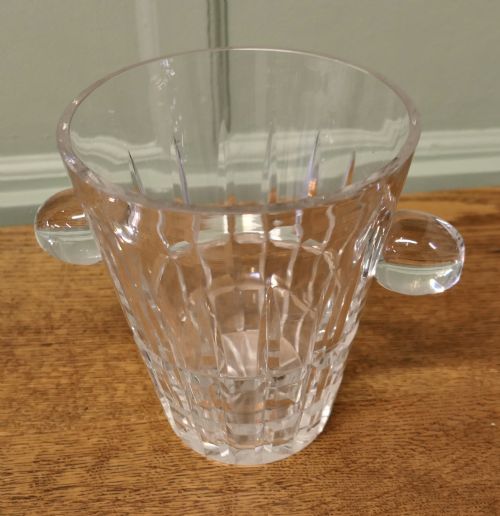
The summit of quality lies in the crispness of the wheel-cut facets and the dexterity of the stem formation. Hand-cut pieces display sharp, clean edges where light refracts evenly, whereas lesser examples show softness in the cutting or minor surface ripples in the metal.
Weight distribution and balance dictate the feel of the vessel in the hand. Superior pieces maintain wall thickness appropriate to their period, avoiding excessive heaviness while ensuring structural integrity at the rim and foot.
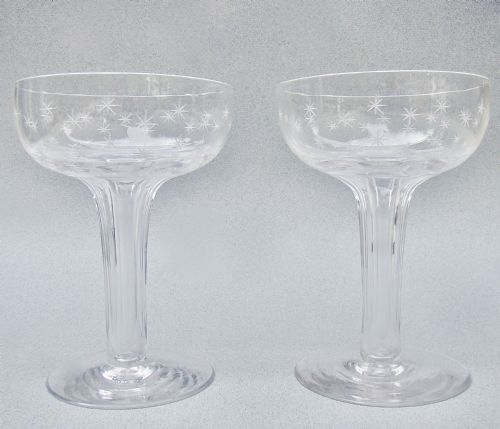
Some Georgian glasses feature hollow stems designed to let the wine flow down into the foot before drinking.
Moser Bohemian·Theresienthal
The Clear Crystal Wine Glasses Glossary
- Air twist
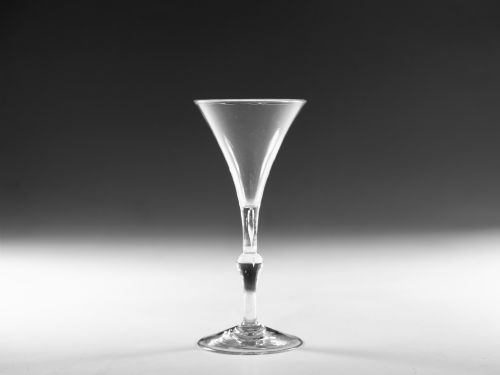
- A decorative stem technique where spiral threads of trapped air run through the length of the glass rod. This method was prevalent in eighteenth-century English drinking vessels.
- Pontil mark
- The rough scar left on the underside of a vessel where the pontil rod was snapped off after blowing. Its presence indicates traditional hand-blown manufacture.
- Rummer
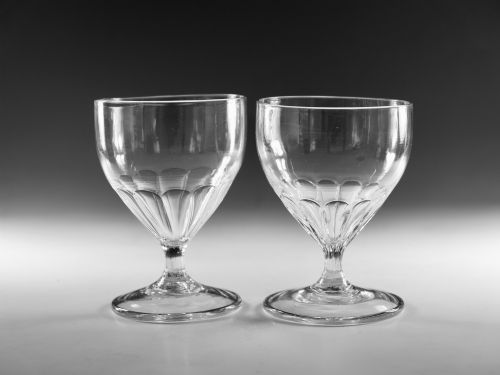
- A large, sturdy goblet used for wine, ale, or punch during the Georgian and Victorian periods. They typically feature heavy bowls on short, thick stems.
- Flint glass
- An early British term for high-quality lead glass developed to imitate rock crystal. It possesses superior clarity and a resonant ring when struck.
- Opaque twist
- A stem variation incorporating fine white or coloured enamel glass threads twisted within the clear stem. This technique followed the air twist style in Georgian glass production.
Clear Crystal Wine Glasses: Frequently Asked Questions
Can I use these glasses daily?
Many collectors enjoy using eighteenth and nineteenth-century stemware for special occasions, provided they handle the pieces with appropriate care and attention.
Hand-washing and careful storage protect the fragile rims and intricate stem structures from accidental chips.
How do I date a wine glass?
Dating relies on combining bowl form, stem construction, foot configuration, and the chemical composition of the glass itself. Air twists and folded feet point to the eighteenth century, while heavy cut patterns align with the Victorian era.
Comparing the pontil mark and metal weight against documented examples helps narrow the decade of production.
What is lead crystal?
Lead crystal is glass manufactured with the addition of lead oxide, which increases the density, clarity, and refractive index of the material.
This composition allows artisans to cut deep, brilliant facets that catch the light far better than standard soda-lime glass.