
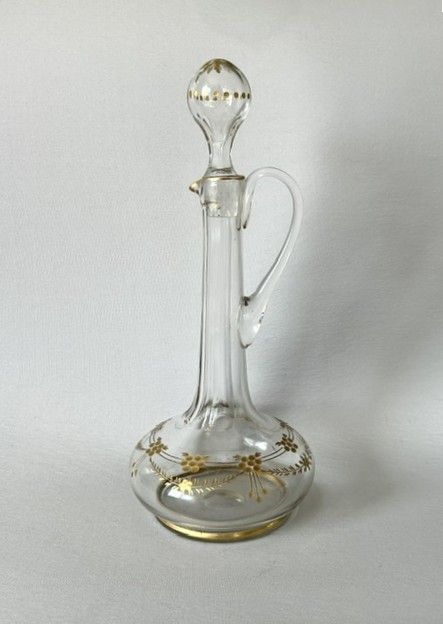
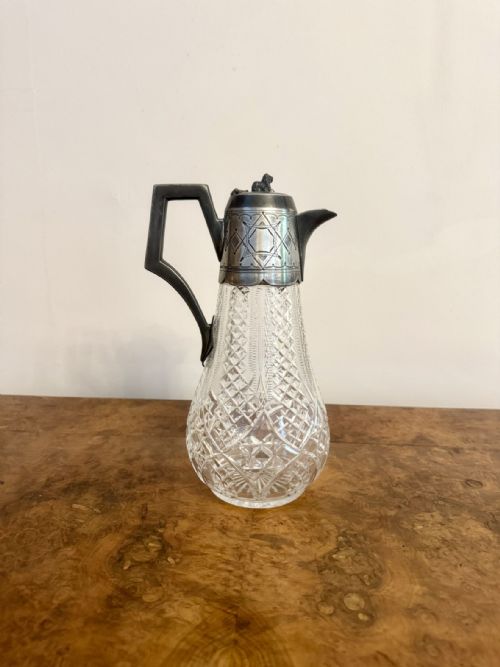


Clear Crystal Jug
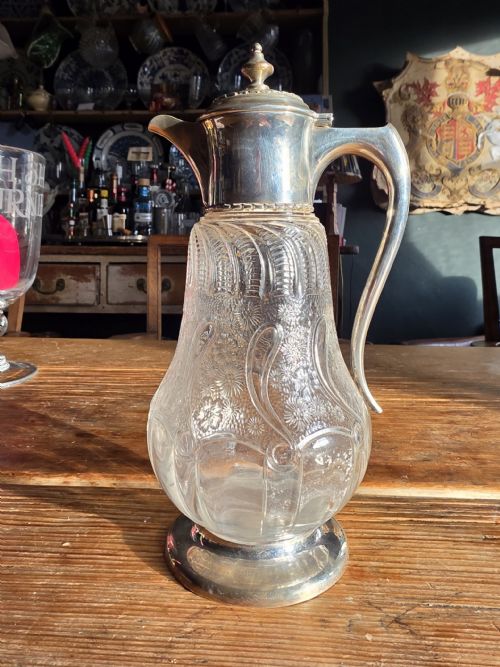
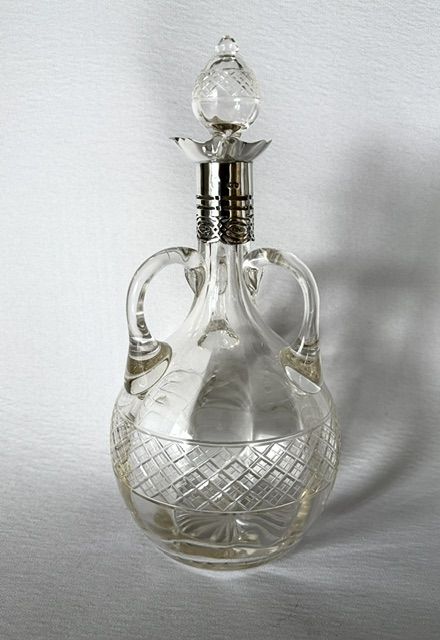
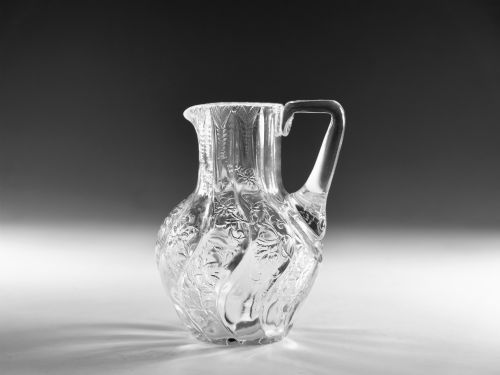
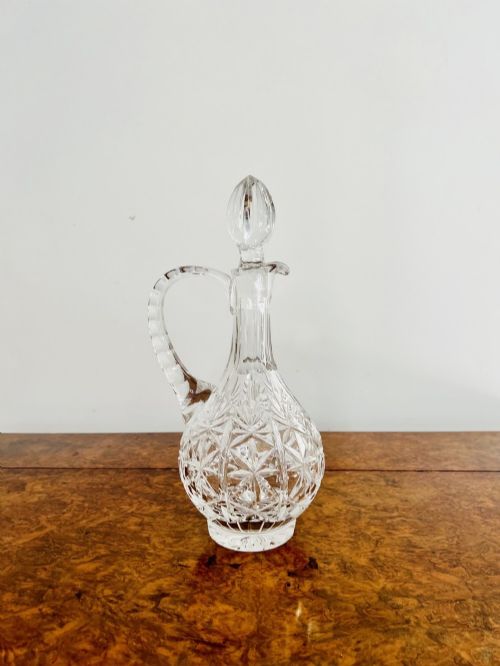
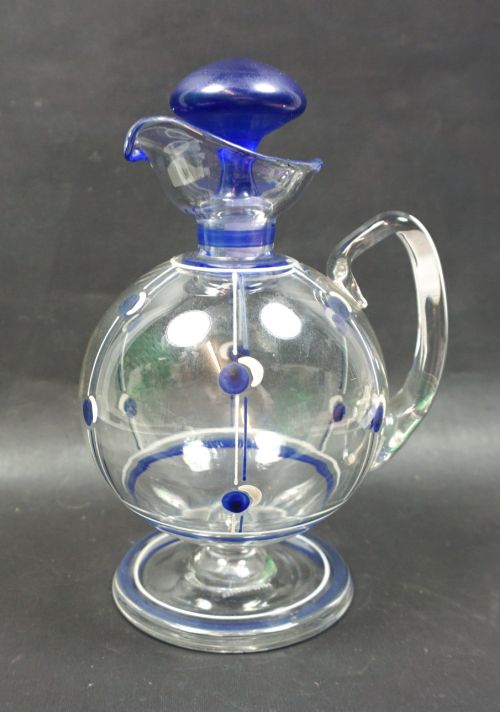
A clear crystal jug brings brilliant refraction and tactile weight to table service, spanning Victorian cut glass to Art Deco vessels.
Clear Crystal Jug
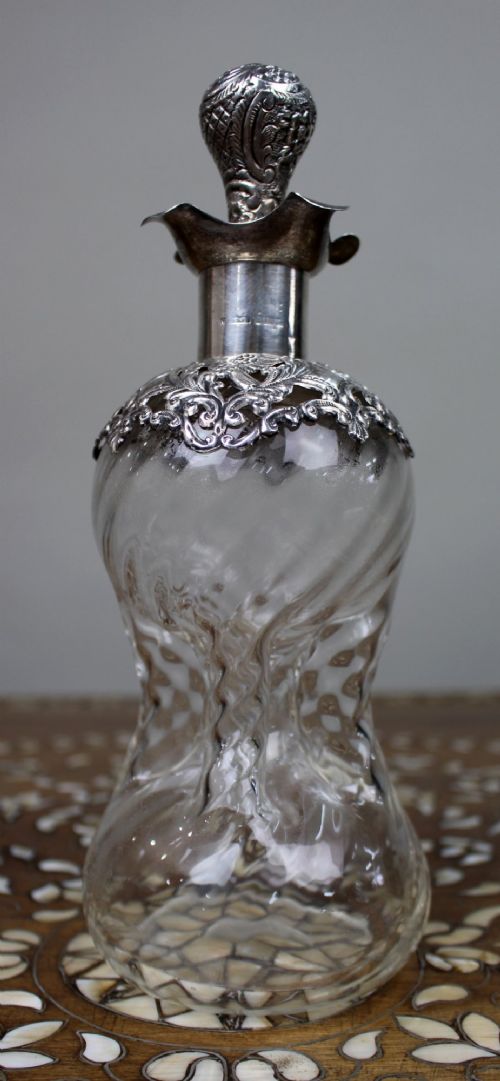
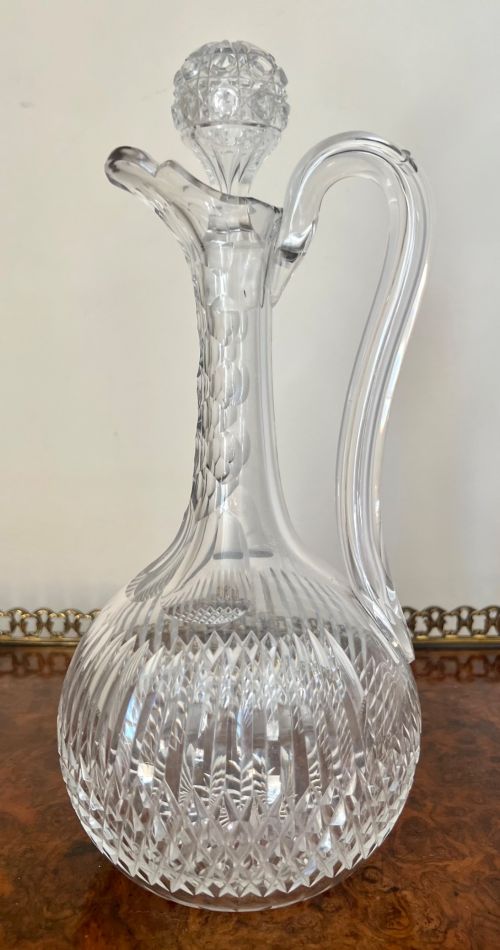
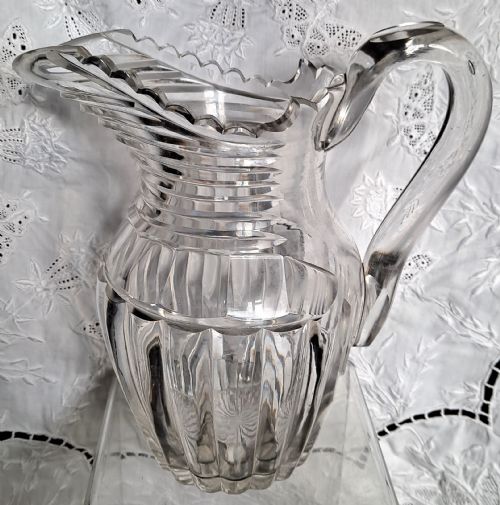
A clear crystal jug serves water, wine, claret, and cordials across formal dining settings, often taking the form of ewers or decanters.
Buyers will most frequently encounter Edwardian and Victorian examples on this page, alongside earlier Regency and Georgian pieces.
These vessels appear with plain glass bodies or heavy wheel-engraved motifs, occasionally paired with silver or silver-plated mounts.
Materials and production methods
Maker workshops utilised high-lead crystal and clear glass, shaping vessels through blowing and hand-cutting techniques.
Mounts and covers were cast in sterling silver or silver plate, whilst surface decoration involved wheel engraving, etching, and enamel work.
Assessing quality in antique glassware
The clarity and resonance of the crystal set the foundation for quality, alongside the depth and crispness of the cut facets.
Refinement in silver or silver-plated mounts, particularly handles, hinged lids, and spouts, distinguishes superior examples.
Stevens and Williams·Webb Corbett·Richardsons Birmingham·Baccarat·Hukin and Heath
The Clear Crystal Jug Glossary
- Claret jug
- A vessel specifically designed for serving red wine at the dining table. These often feature silver or silver-plated mounts and hinged lids.
- Ewer
- A large jug with a wide spout and a decorative handle, historically used for pouring water. Victorian and Edwardian examples often employ heavy cut crystal.
- Lead crystal
- Glass containing lead oxide, which increases weight, brilliance, and workability for deep cutting. It forms the body of most fine nineteenth-century jugs.
- Latticinio
- A glassblowing technique incorporating opaque white or coloured glass threads into clear glass vessels. It creates delicate, web-like interior patterns.
- Pillar and prism cut
- A geometric surface cutting style that creates long flat planes or sharp angles to refract light. This treatment appears frequently on Georgian and Regency pieces.
Clear Crystal Jug: Frequently Asked Questions
How do I clean an antique crystal jug?
Wash the vessel by hand using warm water and a mild detergent, avoiding sudden temperature changes that might crack the glass. Use a soft bottle brush with care if residue remains inside.
Dry the piece immediately with a lint-free cloth to maintain the clarity of the crystal and prevent water spots from forming on the surface.
Were these jugs used exclusively for wine?
While many were dedicated claret jugs or dessert wine servers, others served water, cordials, and mixed beverages at the dining table. Silver-mounted examples generally held wine for formal entertaining.
Smaller pitchers and ewers handled water or cream, depending on their capacity and the presence of a fitted cover.
How can I tell a Victorian jug from an Edwardian one?
Victorian pieces often display heavier wheel engraving, naturalistic motifs like grapes and vines, or deep pillar cutting. Edwardian examples frequently combine bright cut glass with refined silver-plated or sterling silver mounts.
Form and mounting styles provide the clearest indicators of period craftsmanship.
What is the difference between glass and crystal?
Crystal contains lead oxide, which adds significant weight, a resonant ring when struck, and higher refractive index for better sparkle. Standard glass lacks these properties and feels lighter in the hand.
Antique crystal jugs rely on this lead content to support deep, sharp facet cutting without fracturing.