
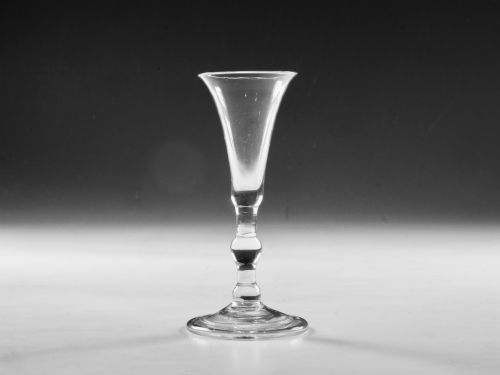
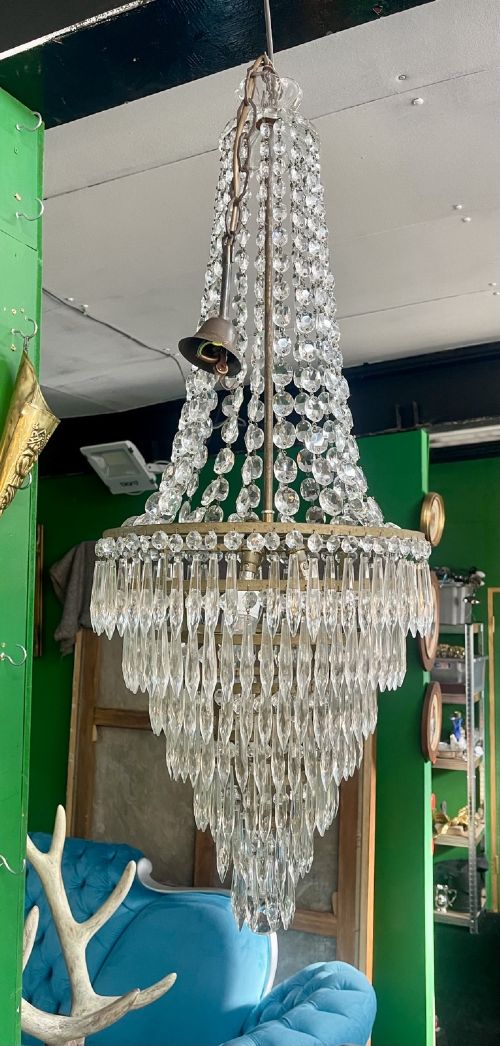
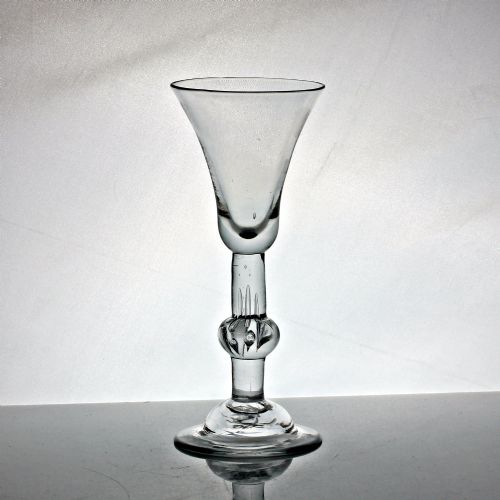
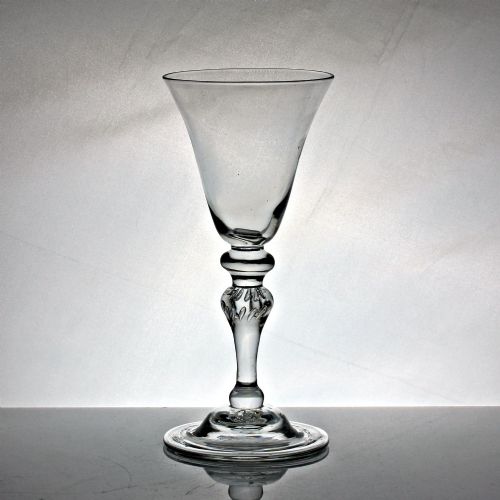
Clear Crystal Glasses
Clear crystal glasses span centuries of refined table service, offering weight, clarity and exceptional cut decoration that elevates daily dining.
Clear Crystal Glasses
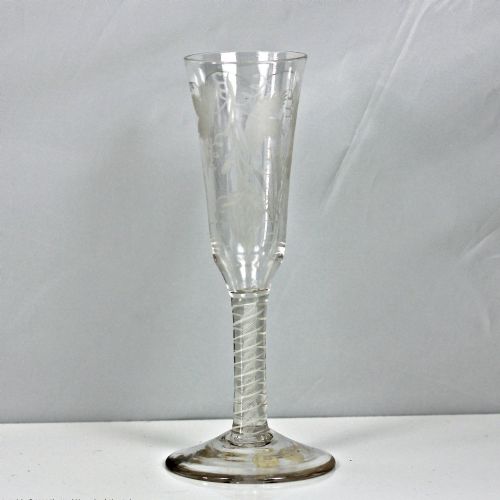
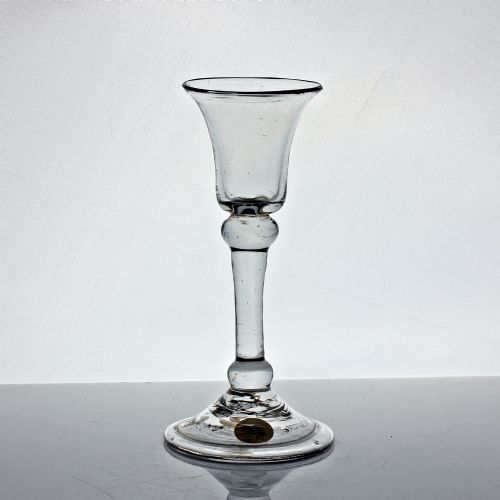
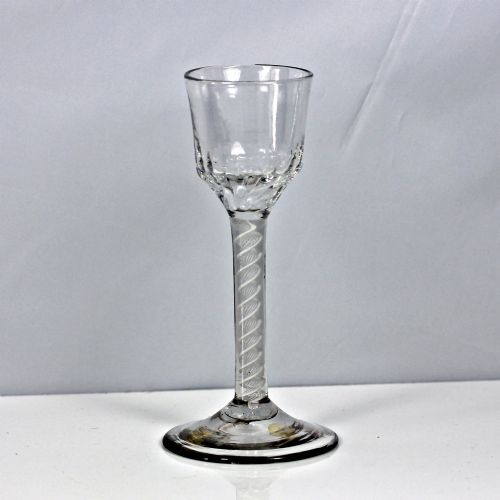
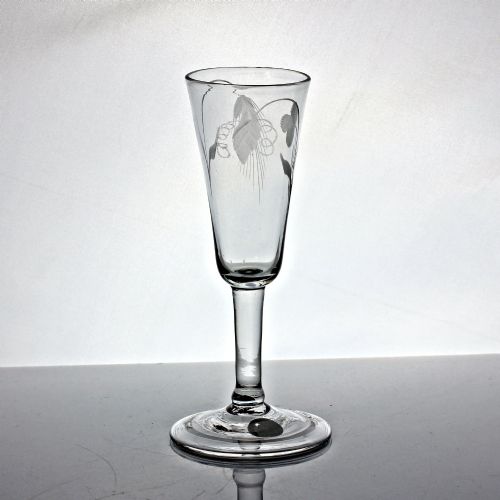
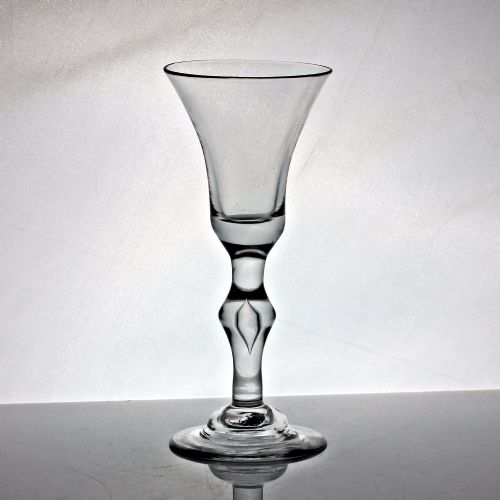
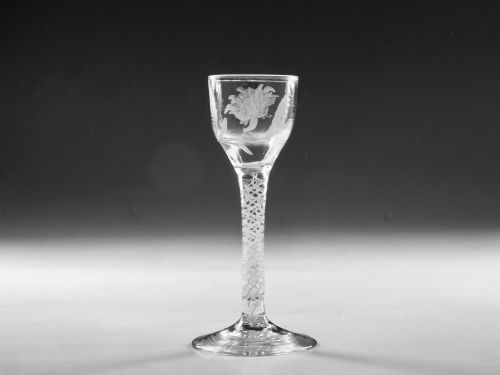
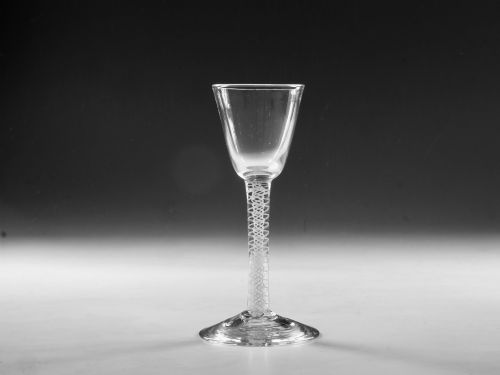
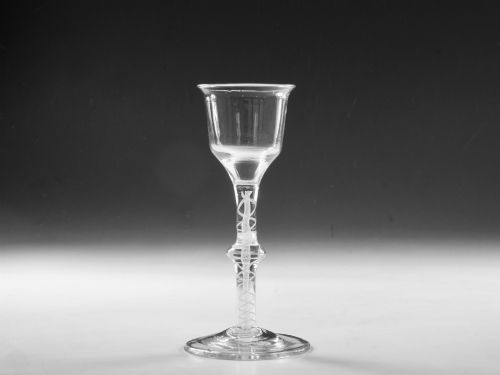
Clear crystal glasses comprise drinking vessels, stemware, decanters and carafes spanning the eighteenth, nineteenth and twentieth centuries. Buyers searching for clear crystal glasses encounter Georgian rummers, Victorian champagne bowls and Edwardian coupes alongside functional jugs and tumblers.
The assortment on this page draws heavily from Georgian, Victorian and Edwardian periods, featuring distinct regional styles such as Anglo-Irish cutting and North-East English engraving. Pieces range from intimate dram glasses and wine goblets to substantial sets of dessert bowls and table decanters.
Craftsmanship and Proportion
Quality separates through the crispness of the cutting and the balance of the vessel in the hand. Superior pieces display sharp, clean facets without rounding on the edges, alongside uniform wall thickness and smooth pontil marks.
The clarity of the metal itself dictates distinction, where higher lead crystal possesses greater weight and resonant tone. Engraved examples rely on the steady hand of the wheel-engraver, achieving depth and shading that lesser surfaces lack.
Listings feature lead crystal, brass, and silver mounts across periods spanning the eighteenth century to the 1930s.
Stevens and Williams·Moser Bohemian·Webb
The Clear Crystal Glasses Glossary
- Rummer
- A large heavy drinking glass popular in the eighteenth and nineteenth centuries, often used for ale, beer or wine. These sturdy vessels frequently feature bucket bowls and faceted stems.
- Intaglio
- A technique where the design is sunk below the surface of the glass rather than carved in relief. Artisans utilise small rotating wheels to grind intricate scenes or motifs into the crystal.
- Pontil mark
- The rough scar left on the base of a blown glass vessel where the pontil rod was attached during manufacture. Skilled finishers often ground and polished these marks smooth.
- Lead crystal
- Glass containing a significant proportion of lead oxide, which increases weight, refractive index and working time. This material allows deeper cutting and produces a clear ringing sound when struck.
Clear Crystal Glasses: Frequently Asked Questions
How do I clean antique crystal glasses?
Wash them gently by hand in warm water using mild detergent. Avoid sudden temperature changes to prevent cracking.
Dry them immediately with a lint-free linen cloth to maintain their natural sparkle and prevent water spots.
Can I use these glasses for daily dining?
Many sturdy nineteenth and twentieth-century pieces suit regular use. Lead crystal handles daily service well if handled with care.
Reserve delicate eighteenth-century stemware for special occasions to preserve their historical condition.
Why do some crystal glasses sound different when tapped?
The musical ring depends directly on the lead oxide content within the crystal matrix. Higher lead percentages produce a clear, sustained tone when gently struck.
Standard soda-lime glass yields a duller thud because the chemical composition lacks the density of lead crystal.