



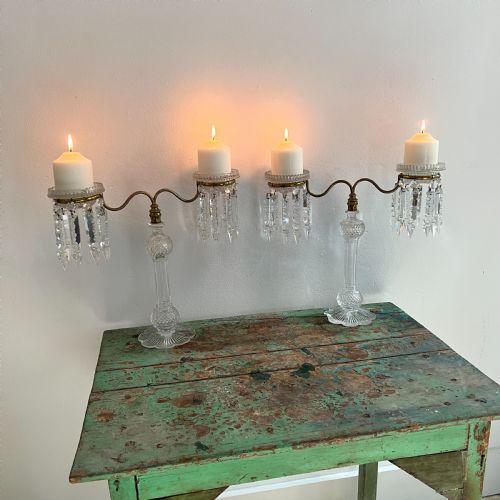


Clear Crystal Candlesticks
Clear crystal candlesticks bring light and sparkle to a table, caught in various forms from the Regency period through to Art Deco.
Clear Crystal Candlesticks
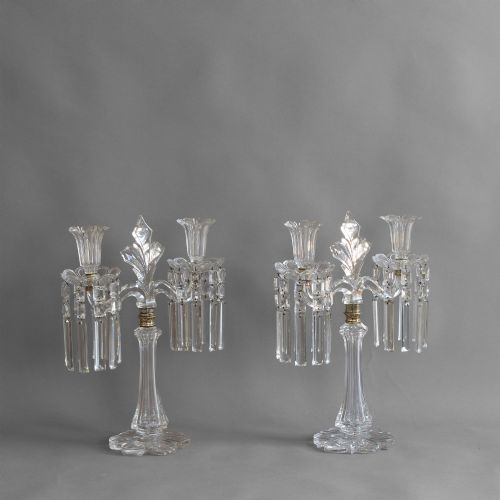
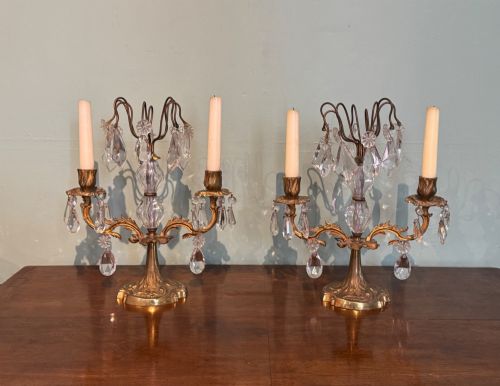
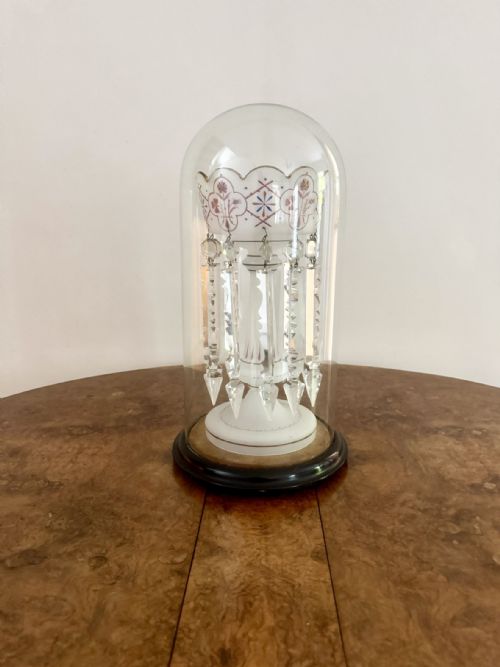
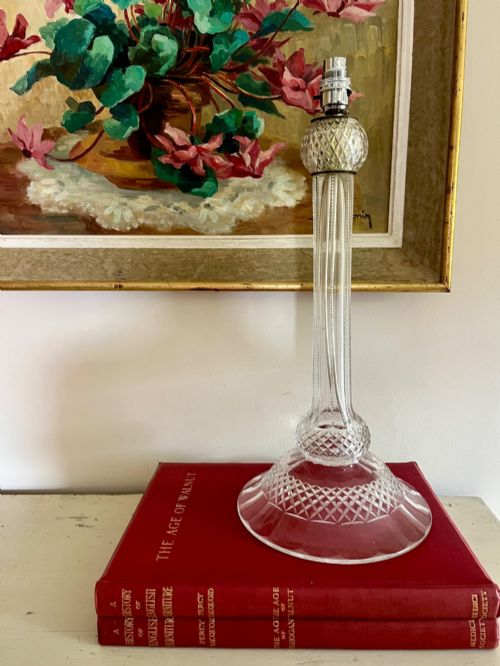
When searching for clear crystal candlesticks, buyers encounter a variety of table lighting including traditional candlesticks, multi-branched candelabra, and lustres hung with glass drops. The examples gathered here span from the Regency period and Victorian era into the Edwardian years and the 1930s.
Pairs dominate the selection, often taking the form of cut-glass candlesticks or table lamps designed to hold candles or illuminate rooms. Pieces range from straightforward barley twist stems to elaborate constructions featuring brass mounts and hanging glass lustres.
Materials and Construction
The objects listed combine clear glass, cut crystal, and lead crystal with structural elements in brass and gilt brass. Glass-making techniques rely on heavy cutting to create faceted surfaces that catch and refract candlelight.
Many items incorporate specialised components, such as the patented designs seen in Cricklite pieces or domed and folded feet that provide stability to taller stems.
Materials across the listings include cut crystal, lead crystal, clear glass, brass, and gilt brass.
Assessing Quality and Character
Quality in these items rests upon the precision of the glass cutting and the clarity of the material itself. Heavier lead crystal and deeply faceted surfaces produce a sharper play of light compared to simpler moulded glass.
The integration of metal mounts, such as brass or gilt brass collars and bases, distinguishes more elaborate Victorian and Regency creations from simpler domestic items.
Rene Lalique·Clarkes
The Clear Crystal Candlesticks Glossary
- Lustre
- A ornamental candlestick or candelabrum hung with cut glass drops called prisms. These drops swing and catch the light from the candles.
- Candelabra
- A branched candlestick holding multiple candles on a single base. They often feature central columns surrounded by arms.
- Cricklite
- A patented trade name for specific night light and candlestick assemblies using specialised glass shades. Clarke held the patent for these popular Victorian items.
- Barley Twist
- A spiral stem design carved or moulded into the glass or metal shaft of a candlestick. This form adds visual movement to the piece.
- Lead Crystal
- Glass containing lead oxide that increases weight, brilliance, and clarity. It allows for deeper and sharper cutting than standard glass.
Clear Crystal Candlesticks: Frequently Asked Questions
How do I clean antique crystal candlesticks?
Wash them gently by hand in lukewarm water using mild soap, avoiding harsh scrubbing on faceted or cut surfaces.
Dry them immediately with a soft cloth to prevent water spots and preserve the brilliance of the crystal.
What is the difference between lustres and candlesticks?
Candlesticks are designed solely to hold a single candle upright on a table or mantelpiece.
Lustres incorporate hanging glass pendants around the nozzle that refract the candlelight and add decorative presence.
How can I date an antique crystal candlestick?
Dating relies on observing the cutting style, the presence of pontil marks on the base, and the overall form associated with periods like Regency or Art Deco.
Materials such as gilt brass mounts or specific patents like Cricklite also offer clear chronological markers.
Are these pieces suitable for everyday use?
Most antique items handle regular use well provided they are handled with care and kept away from sudden temperature changes.
Many collectors prefer to use them with standard taper candles while ensuring any drip wax is cleaned promptly.