


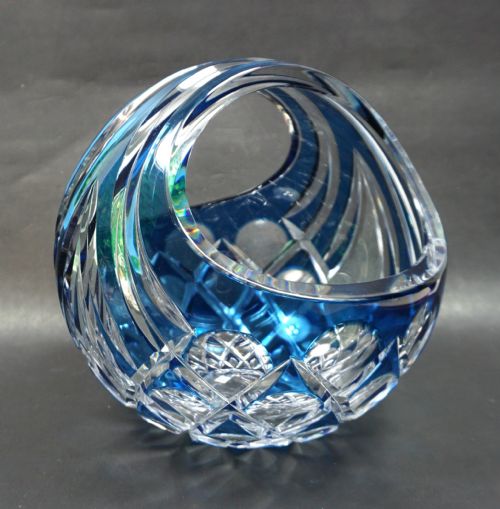
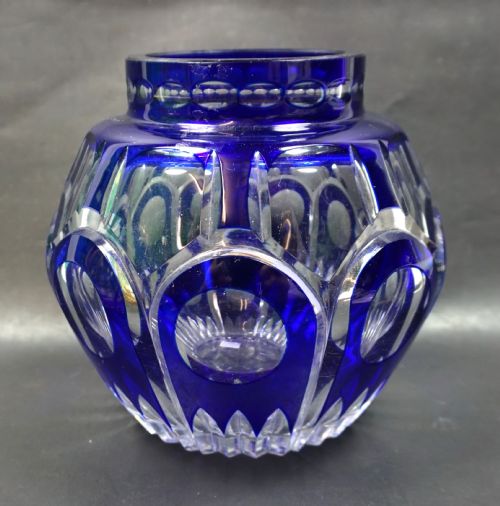


Clear Art Glass Vase
A clear art glass vase brings transparency and shape together, shaped by makers from the Victorian era through the mid-twentieth century.
Clear Art Glass Vase
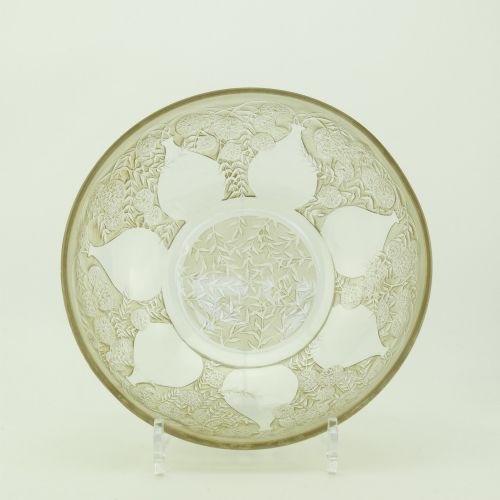
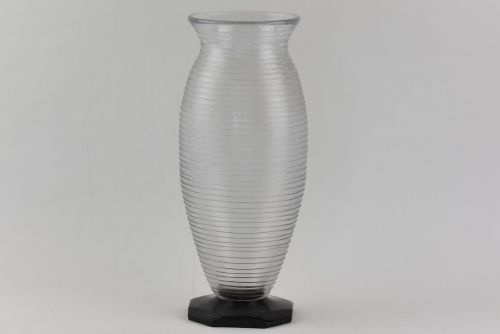
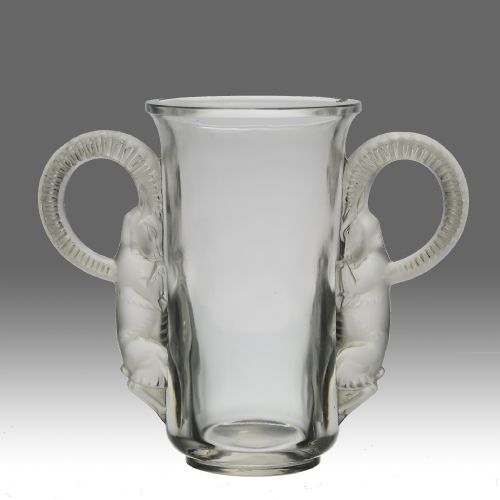
A clear art glass vase unites form and transparency, taking shapes from Victorian pedestal stands to bold Art Deco vessels. These pieces range from delicate moulded bowls to heavy lead crystal columns produced across Europe.
Vessels span domestic table centrepieces and signed studio works by notable European designers. Each object employs transparency, frosting, or surface cutting to catch the light.
What varies in quality
Quality rests in the crispness of the mould, the depth of the acid etching, and the purity of the crystal. Superior examples display precise geometric lines or sharply defined frosted motifs without blurring.
The weight of the metal and the precision of applied enamel or silver plate differentiate standard production from masterworks. Signature verification and attribution to specific designers elevate certain pieces above anonymous factory output.
Listings span periods from the Victorian era and Arts and Crafts movement through Art Nouveau, Art Deco, and mid-century modern design.
Rene Lalique·Daum·Fulvio Bianconi·Venini·Joseph Simon·Val St Lambert·Jean Luce·Karl Palda·St Louis glassworks·Stuart·Liberty·Charles Graffart·Powell·Nazeing·WMF·Hukin and Heath·Keith Murray·Stevens and Williams
The Clear Art Glass Vase Glossary
- Opalescent glass
- Glass that diffuses light with a milky, iridescent appearance that shifts from blue to amber depending on the angle. This technique was used extensively by French makers for moulded relief designs.
- Lead crystal
- Glass containing metallic lead oxide to increase refractive index and weight. It allows for deep, sharp cutting and brilliant light dispersion.
- Acid etching
- A decoration technique using hydrofluoric acid to bite designs into the glass surface. It creates frosted patterns and tactile contrast against clear panels.
- Enamel decoration
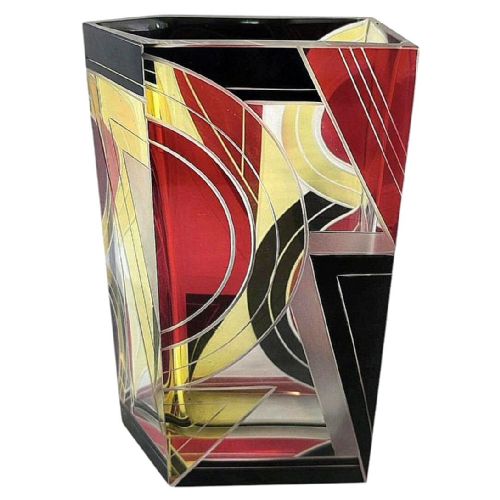
- The application of coloured glass powders fused to the surface by heat. It adds opaque geometric or floral patterns to clear and black glass bases.
- A ritorti
- A Venetian glass technique using twisted threads of glass embedded within the vessel wall. It produces rhythmic spiral patterns throughout the transparent body.
Clear Art Glass Vase: Frequently Asked Questions
How do I identify an Art Deco clear glass vase?
Art Deco pieces display geometric motifs, stepped profiles, and sharp etching. Look for symmetrical patterns, black enamel accents, and heavy crystal forms dating from the nineteen-twenties and nineteen-thirties.
Many of these vessels carry signatures or distinct factory styles from French and Czech workshops. The combination of clear glass with frosted details or contrasting enamel work is typical of the period.
Are all clear art glass vases heavy?
Weight depends heavily on the material composition and period. Lead crystal vessels from makers like Daum or Val Saint Lambert are exceptionally heavy for their size due to their high lead content.
Victorian blown glass and lighter moulded pieces from earlier decades often feel much more delicate in the hand. Examine the thickness of the base and rim to understand the vessel's construction.
What is the difference between crystal and glass?
Crystal contains mineral additives, traditionally lead oxide, which increases the material's weight, density, and ability to refract light. Standard glass lacks these additives and is generally lighter.
When tapped, high-quality crystal produces a clear ringing sound, whereas standard glass produces a duller thud. Both materials were utilised across different eras for decorative vases.