
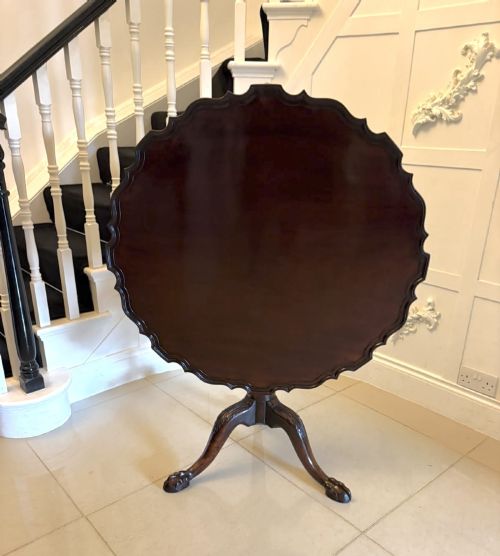
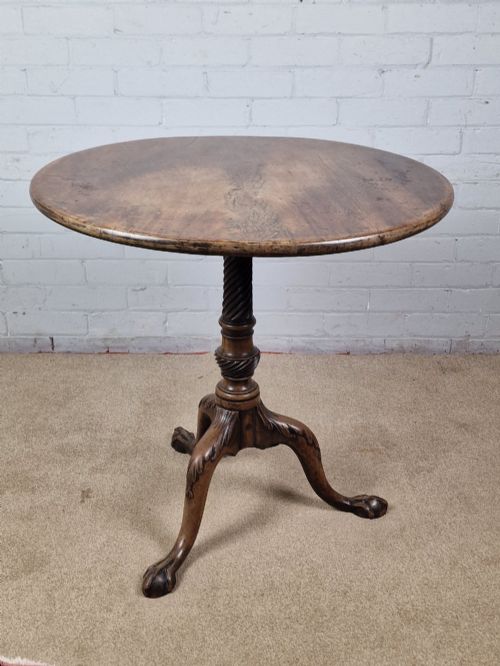
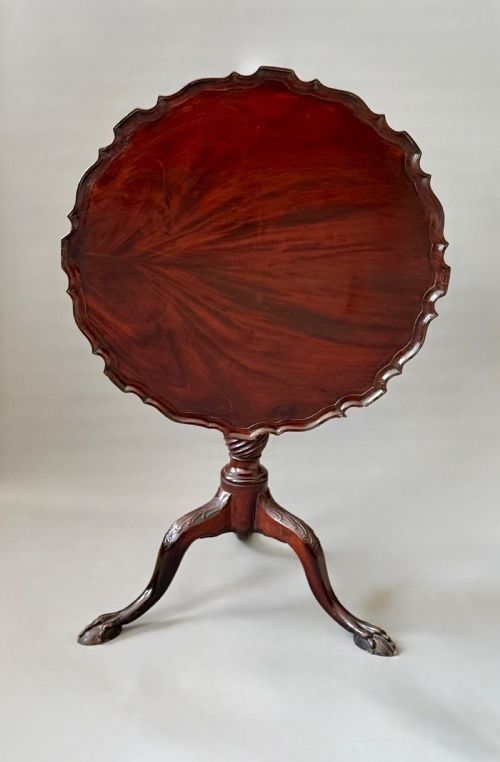
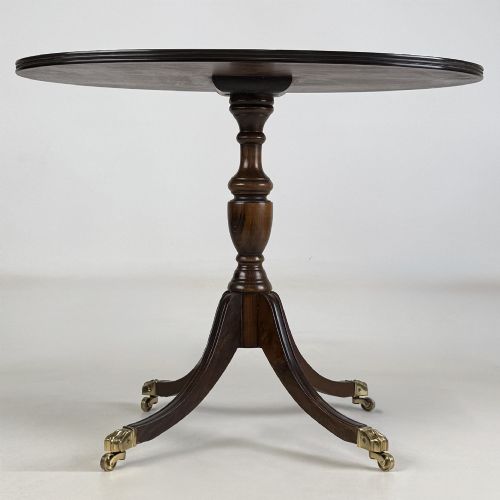
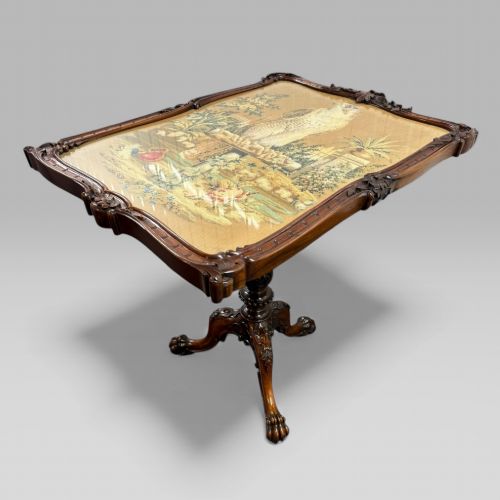
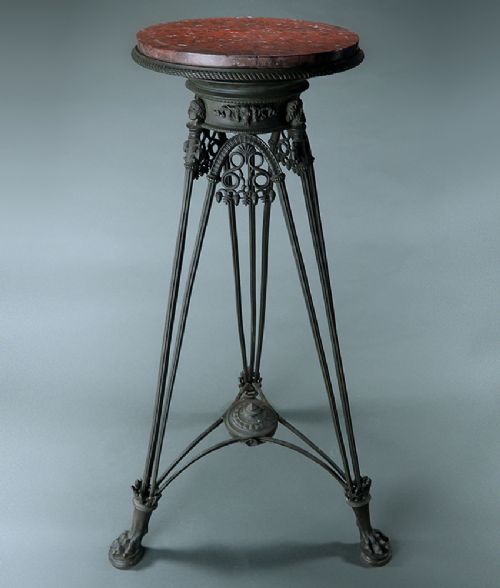


Claw Tripod Table
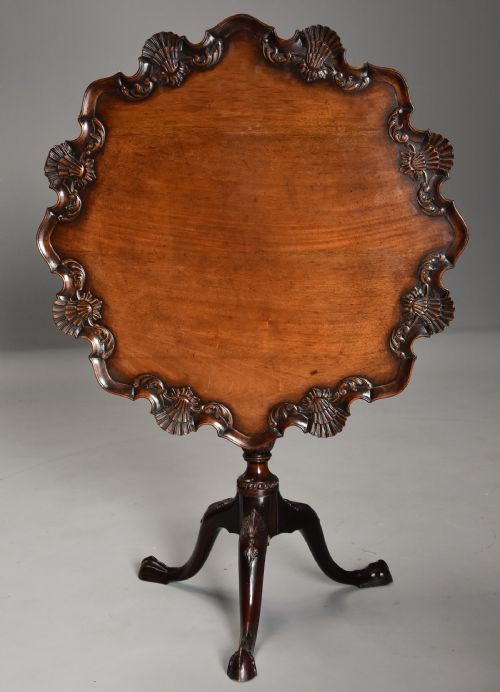
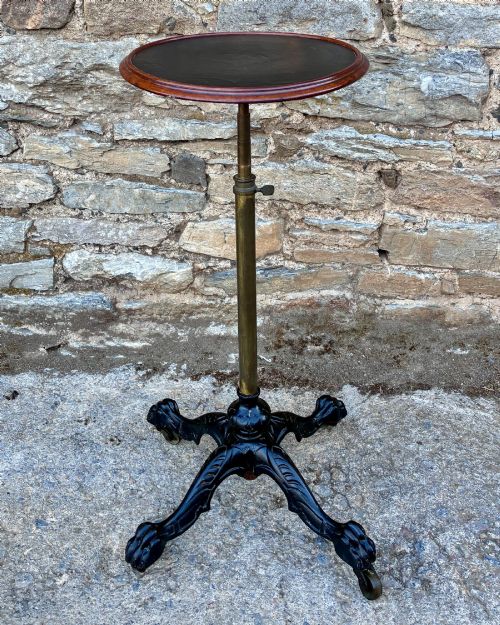
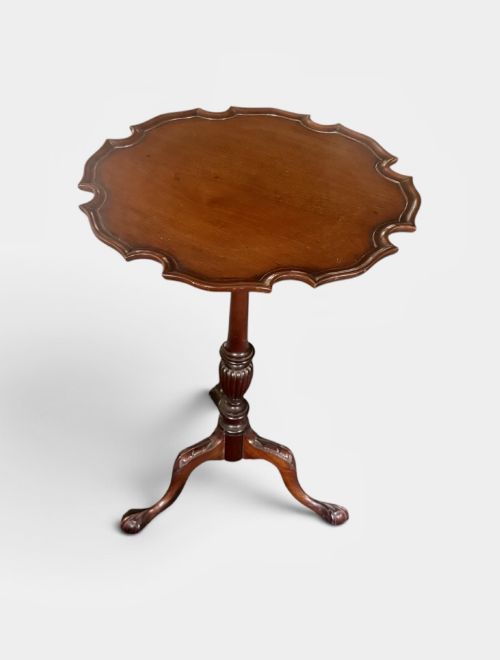
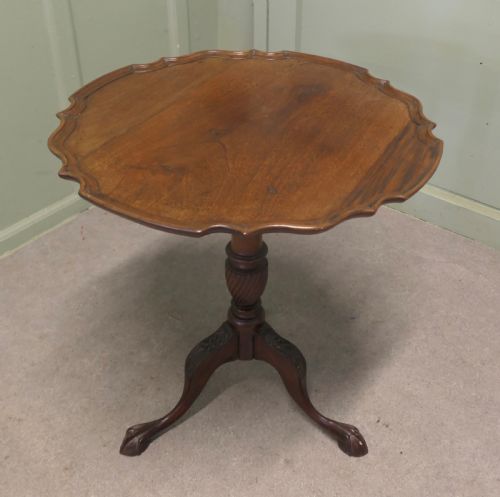
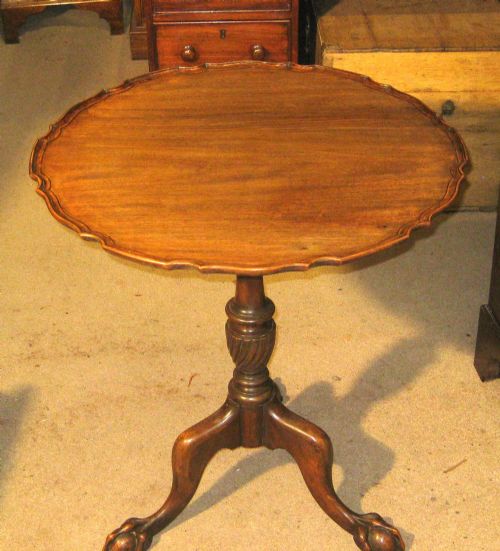
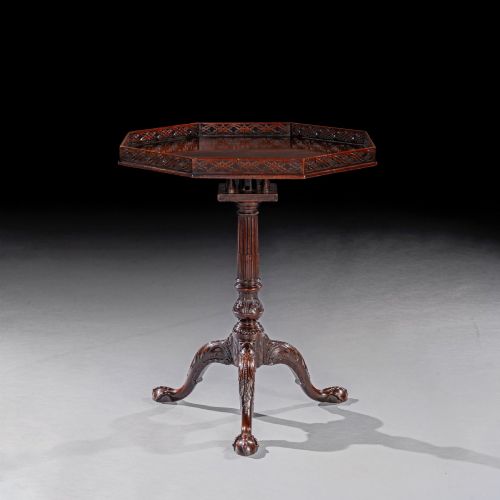
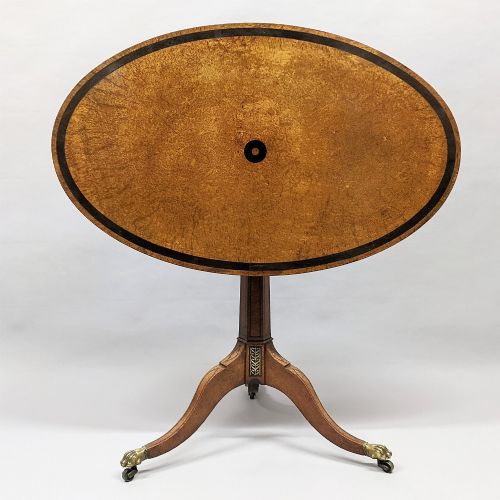
A claw tripod table balances a circular top on a pillar supported by three carved legs, offering a versatile piece for any room.
Claw Tripod Table
A claw tripod table is a compact surface designed for serving tea, displaying objects or sitting beside a chair. When you search for a claw tripod table, you encounter forms ranging from wine tables and occasional tables to tilt-top tea tables and birdcage mechanisms.
The pieces appearing on this page span the eighteenth century, nineteenth century, and twentieth century, with strong representation from the Georgian and Victorian periods alongside Edwardian revivals. Styles encompass George II, George III, Regency, Chippendale, and Etruscan Revival.
Mahogany predominates as the primary timber, complemented by walnut, burr oak veneer, amboyna, and marble tops resting on brass or cast iron elements. Origin points include English workshops, Irish cabinet makers, French makers, and Italian workshops.
Materials and Construction
Cabinet makers utilised solid timbers such as mahogany and walnut, frequently selecting figured veneers like burr oak and amboyna for the table tops. Turning lathes shaped the central pillars, while hand-carving defined the claw feet and tripod legs.
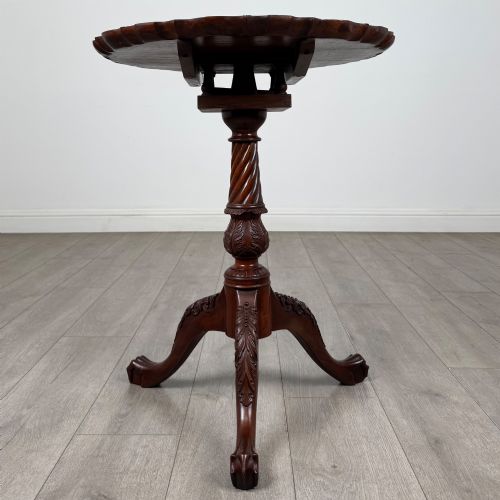
Many examples incorporate a tilt-top mechanism, sometimes featuring a birdcage support that allows the surface to rotate and fold flat when not in use. Joinery relied on precise tenons, dovetails, and pivotal brass or iron fittings to ensure stability on three legs.
Listings feature periods spanning from the eighteenth century through the 1930s, constructed in mahogany, walnut, oak, marble, and amboyna.
Judging Quality
Quality rests in the crispness of the hand-carving upon the knees and claw feet, where sharper detail distinguishes superior examples from softer, later reproductions. The proportion between the diameter of the top and the spread of the tripod determines the overall visual balance.
Timber selection dictates the character of the surface, with rich grain patterns and patination elevating an ordinary occasional table into a notable piece. The integrity of the tilt-top or birdcage mechanism demonstrates the precision achieved by the original maker.
Gillows
The Claw Tripod Table Glossary
- Tilt-top table
- A table with a hinged mechanism allowing the top to pivot to a vertical position. This clever design enabled tables to stand flat against a wall when not in active use.
- Piecrust edge
- A raised, decoratively carved rim shaped in small curves resembling the crust of a pie. Cabinet makers carved this directly from a thick solid timber top.
- Claw and foot
- A carved foot design representing an animal paw or bird talon clutching a ball. It terminates the base of a cabriole leg on eighteenth and nineteenth-century furniture.
- Guéridon
- A small French occasional table supported by a central column or figures. The form became popular during the seventeenth century and reappeared in later revival styles.
Claw Tripod Table: Frequently Asked Questions
What is a birdcage mechanism?
A birdcage is a rotating wooden assembly beneath the top of a claw tripod table. It connects the surface to the central pillar and allows the table top to turn independently of the base.
This mechanism also permits the table top to tilt vertically. When folded, the table takes up minimal floor space against a wall.
How do I use a tilt top table today?
These tables function well as compact side surfaces beside armchairs or sofas. Their tilt feature makes them practical for storing in tight corners when floor space is needed.
They also serve as display stands for lamps, ceramics, or books. The smaller wine table variants fit easily into hallways and bedrooms.
How do I distinguish George III from Victorian pieces?
George III pieces typically date to the eighteenth century and display lighter proportions with restrained carving. Timbers often exhibit a rich, warm patina developed over centuries of use.
Victorian examples from the nineteenth century tend to be heavier in construction and feature darker finishes. Revival styles from this era often draw heavily on earlier Georgian motifs.