


Claw Foot Table Lamp
These claw foot table lamp options unite solid brass foundations with periods from the nineteenth century onward, bringing decorative weight to a room.

Claw Foot Table Lamp
A claw foot table lamp combines cast metal bases with period lighting fixtures, drawing primarily on nineteenth century and early twentieth century English and French designs. The archive demonstrates that buyers seek specific cast brass tripod forms, often wired for modern use while retaining original weighted proportions.
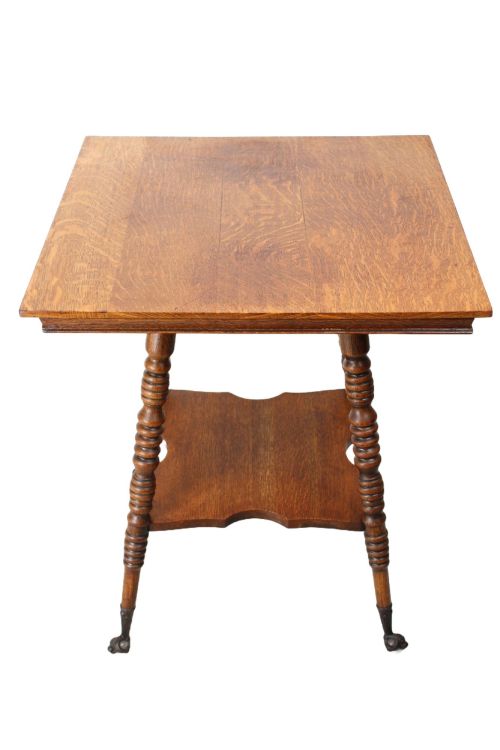
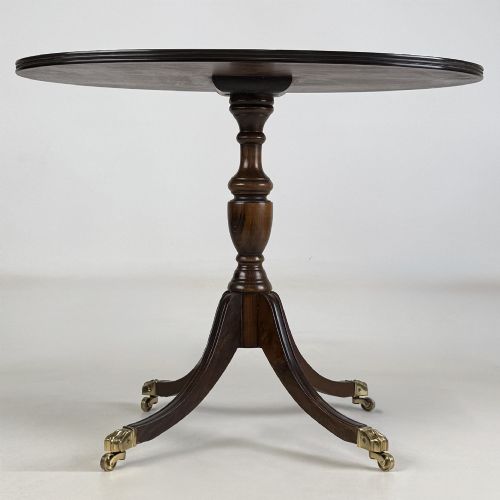
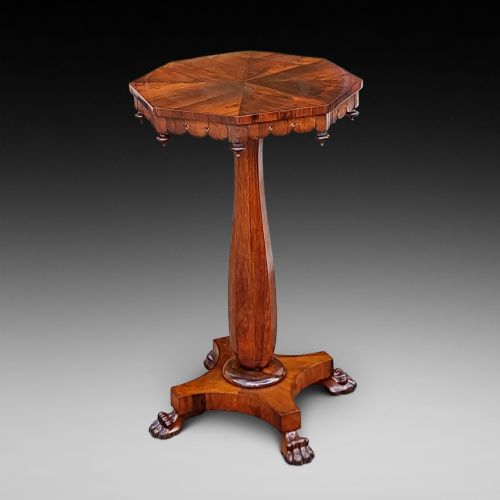
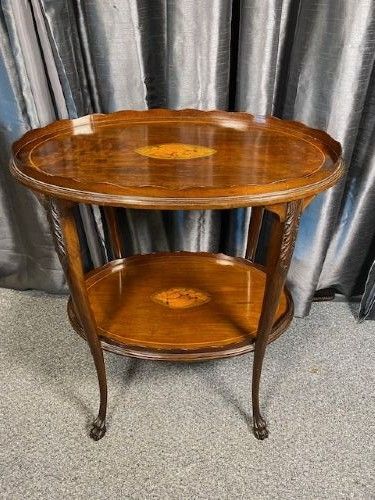
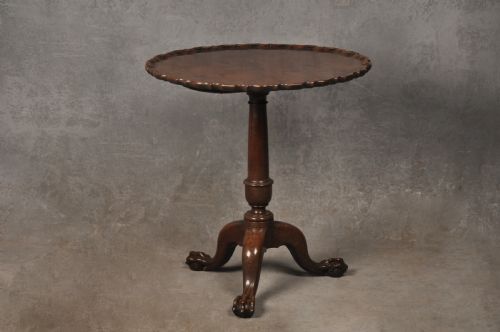
Beyond dedicated lamps, the broader selection includes occasional tables, wine tables, and lamp tables featuring paw and claw supports in mahogany, oak, and walnut. These foundational furniture pieces reflect styles from Regency and Victorian eras through to Georgian revivals.
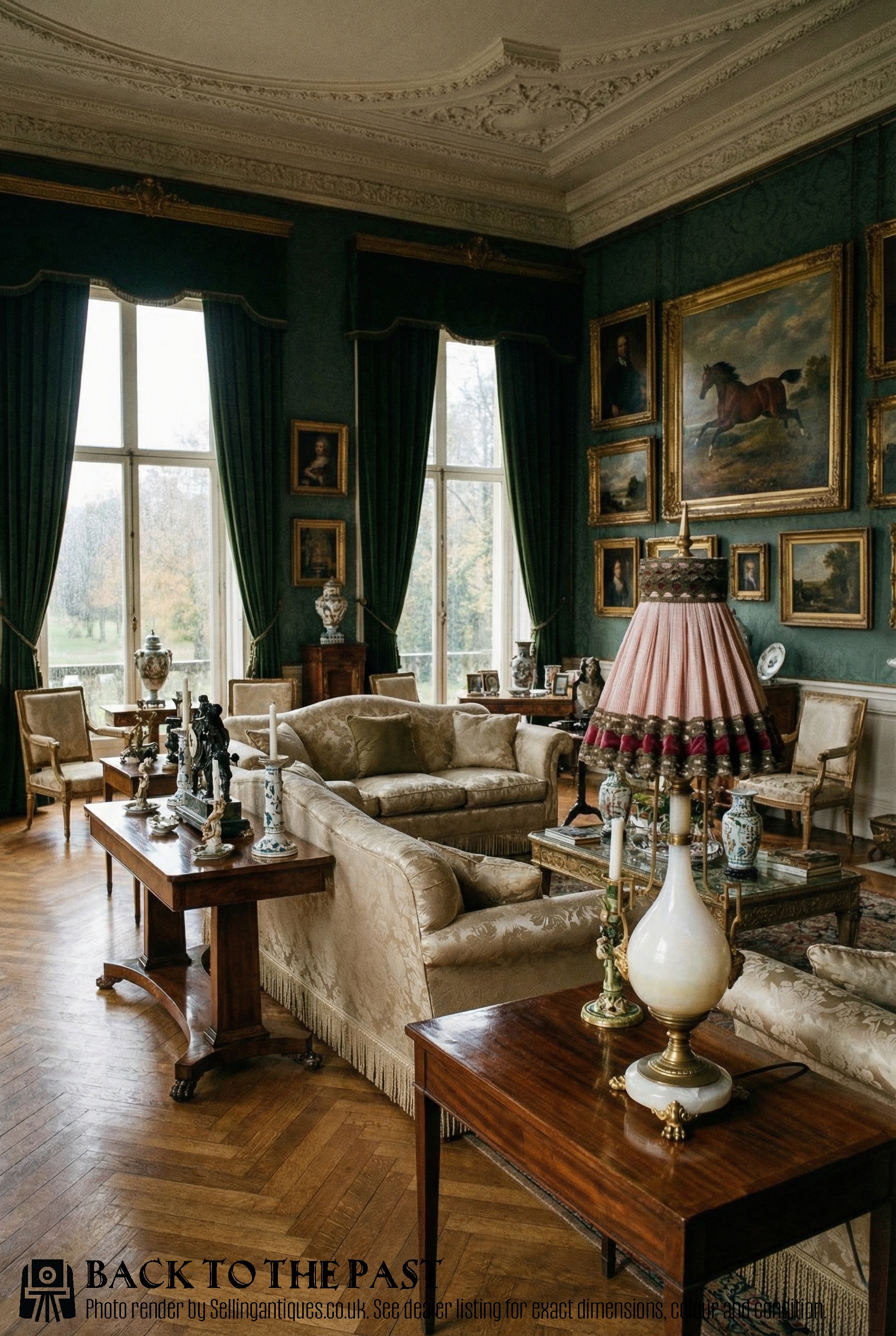
The most direct examples in the record pair heavy cast brass or gilt metal feet with columns, amphora bodies, or pricket candlesticks. They sit comfortably on side tables and pedestals, bridging decorative metalwork and functional illumination.
How they were made
Foundry work dominates the construction of the lamp bases, utilising cast brass, bronze, and ormolu to form detailed animal paw and claw feet. These metal components are frequently paired with turned columns, onyx bodies, or porcelain sections.
Timber versions rely on traditional cabinet-making techniques applied to mahogany, rosewood, burr walnut, and oak. Joinery includes tripod configurations, turned pedestals, and brass inlay to accent the wood grain.
Claw Foot Table Lamp Retail Price Guide 2026
Typical asking prices for claw foot table lamp among the pieces listed under this phrase on Sellingantiques today, from the lower quarter to the upper quarter. They describe what is for sale here now, not the wider market.
Several heavy brass lamp bases come equipped with genuine animal claws, ensuring your desk furniture glares fiercely at stray paperwork.
What varies in quality
The crispness of the casting in the brass feet dictates the visual standard at the upper end of the range. Finer examples display sharp definition in the fur, talons, and knuckles of the paw, whereas lesser pieces show softened detail from worn moulds.
Weight and balance separate substantial heavy cast pieces from lighter alternatives. A well-balanced brass or bronze lamp utilises thick gauge metal that anchors the fixture securely to the table surface.
S & H Jewell London
The Claw Foot Table Lamp Glossary
- Claw foot
- A furniture or lamp base termination shaped like an animal paw grasping a ball. This classical motif appears frequently in Regency and Victorian metalwork and woodwork.
- Ormolu
- Gilded bronze applied to furniture mounts and lamp bases. The technique involves fusing a mercury and gold amalgam to a bronze base.
- Tripod table
- A small freestanding table or lamp base supported by three legs. This configuration provides stability on uneven period flooring.
- Palisander
- A dense tropical hardwood often called rosewood. It displays deep dark grain patterns favoured in Regency cabinet-making.
- Pricket candlestick
- A candleholder featuring a central spike to secure the wax candle. Converted examples appear frequently among early lighting fixtures.
Claw Foot Table Lamp: Frequently Asked Questions
What periods do these lamps come from?
The pieces span from the early nineteenth century through the 1930s, encompassing Victorian, Regency, and Edwardian eras. Many reflect later revivals of Georgian and French Empire styles.
Maker details and specific material combinations help anchor each piece within its respective decade, showing clear shifts from heavy cast brass to porcelain and onyx integrations.
How were claw foot lamps used historically?
These lamps provided focused illumination on desks, side tables, and reading surfaces in nineteenth-century interiors. Their weighted bases ensured stability on freestanding furniture.
Often paired with occasional tables or placed on heavy pedestals, they served both a practical lighting function and a decorative role in formal rooms.
How do I care for brass and ormolu bases?
Cast brass and ormolu require gentle dusting with a soft dry cloth to prevent the accumulation of grime in the recessed details of the paw feet. Abrasive cleaners strip the aged surface finish and should be avoided entirely.
Preserving the natural patina maintains the historical character of the metalwork without risking damage to the underlying alloy.
Are these lamps wired for modern use?
Many examples in the record arrive rewired and tested to meet contemporary electrical standards while preserving the antique base. Original ceramic or fabric elements are often retained where condition permits.
Buyers should inspect the specific listing details to confirm the current wiring status and compatibility with modern lamp shades.