

Claw and Ball
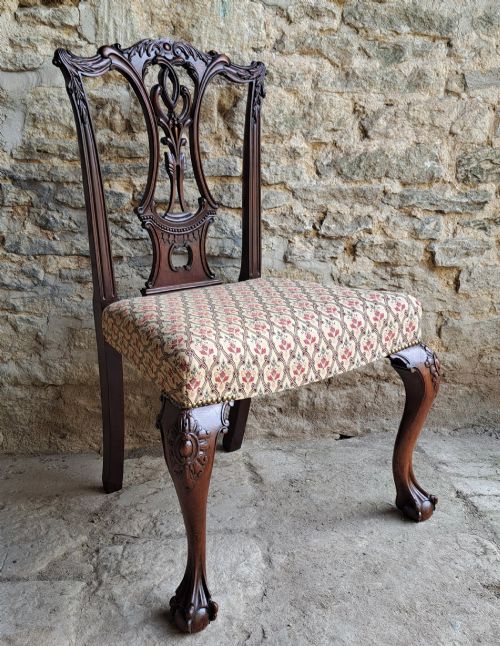
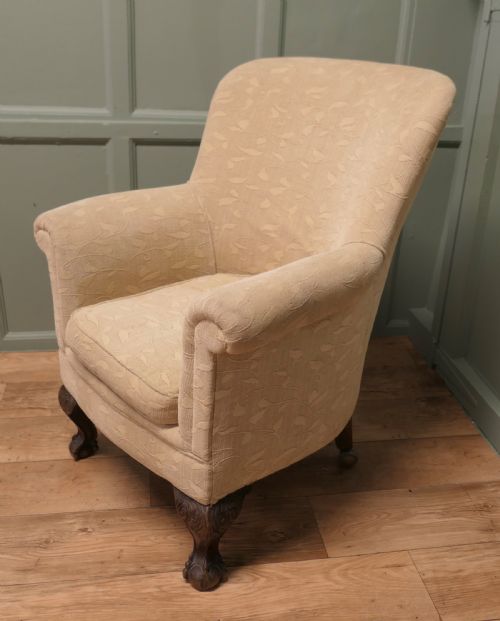
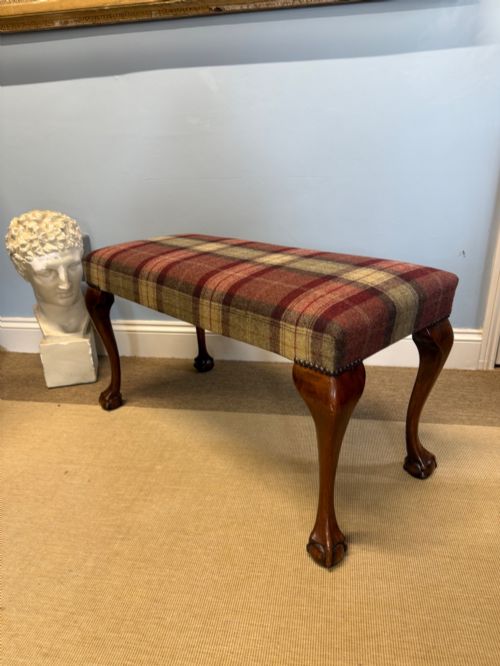
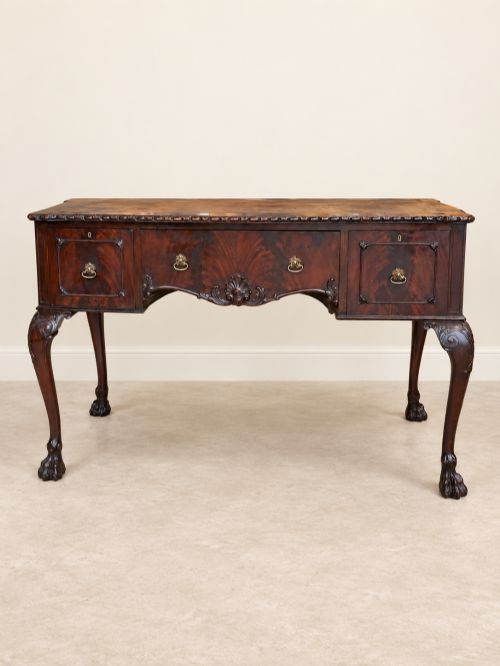
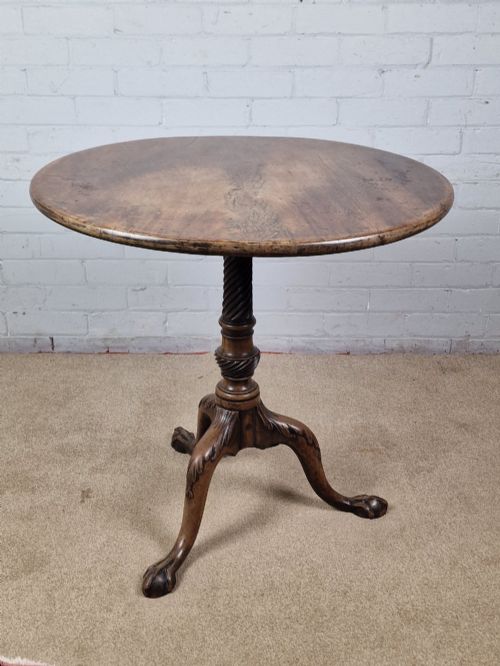
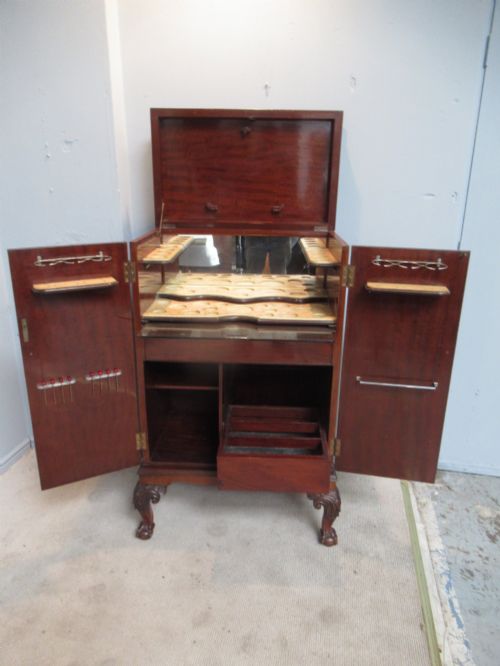
Claw and ball pieces bring the sculptural grip of carved talons and spheres to 18th-century, Victorian, and revival seating and tables.
Claw and Ball
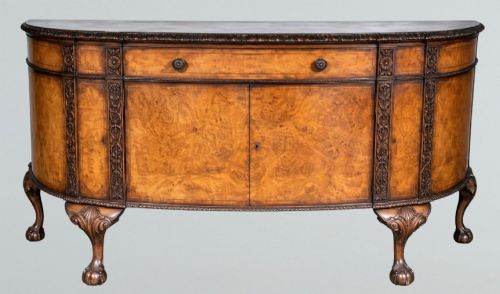
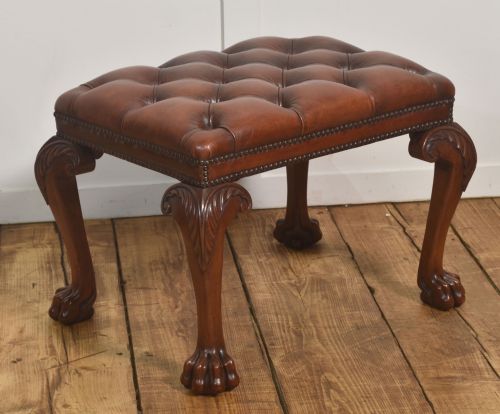
When searching for claw and ball, a buyer examines heavy timber furniture defined by carved feet gripping a spherical orb. The form spans genuine 18th-century pieces alongside later revivals from the Victorian era and early 20th century.
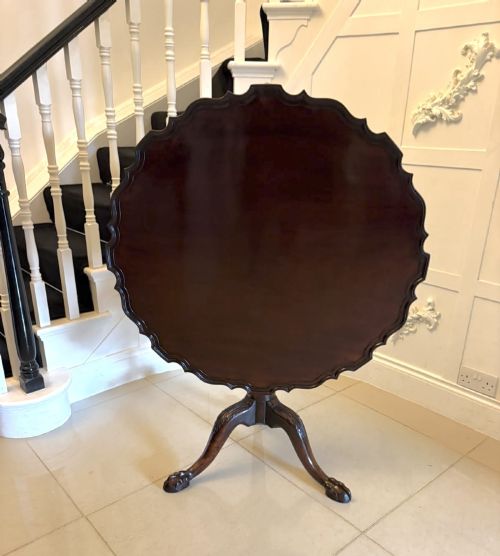
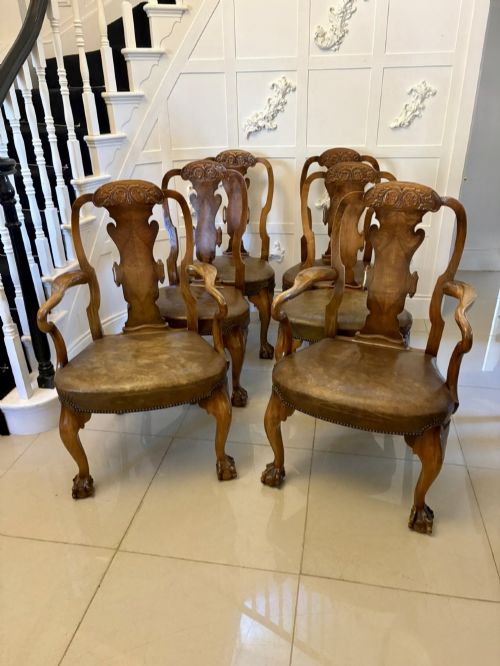
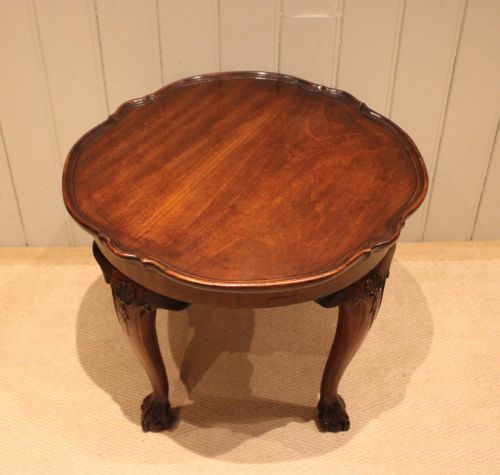
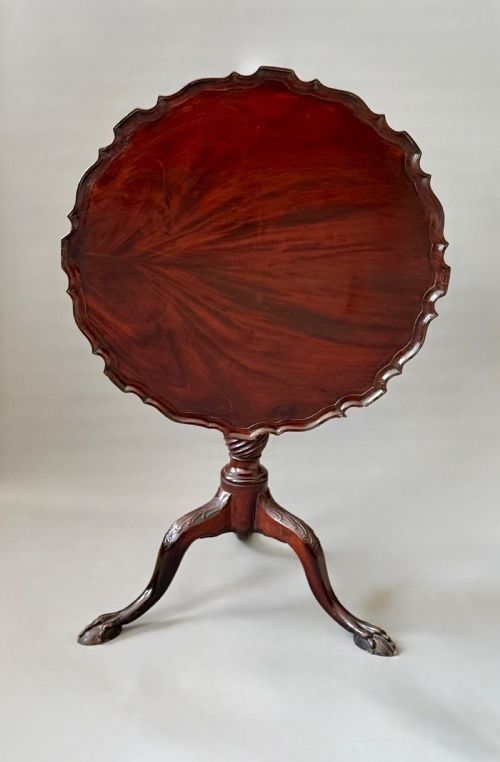
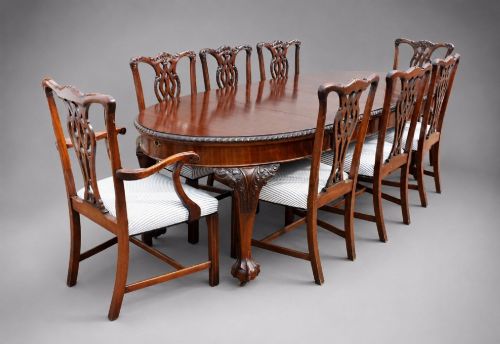
Dining chairs, armchairs, and occasional tripod tables dominate the selection. Walnut and mahogany provide the primary structural woods for these items, frequently following Chippendale and George II styles.
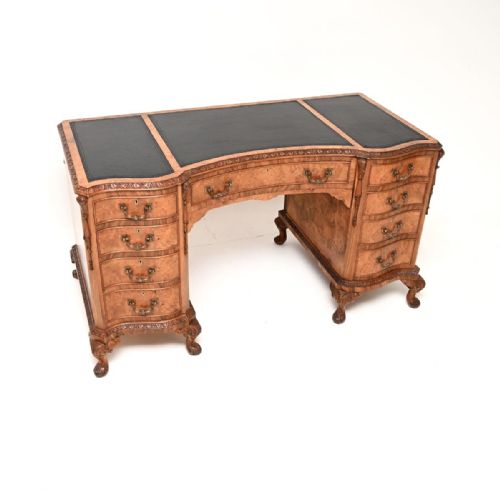
Stools and desks also appear across the selection, resting upon distinct carved supports. Pieces range from modest Edwardian writing tables to expansive dining sets designed for large reception rooms.
How they were made
Makers shaped structural elements from dense hardwoods including mahogany, walnut, and oak. Solid timbers allowed carvers to execute intricate details directly onto cabriole legs and terminal feet.
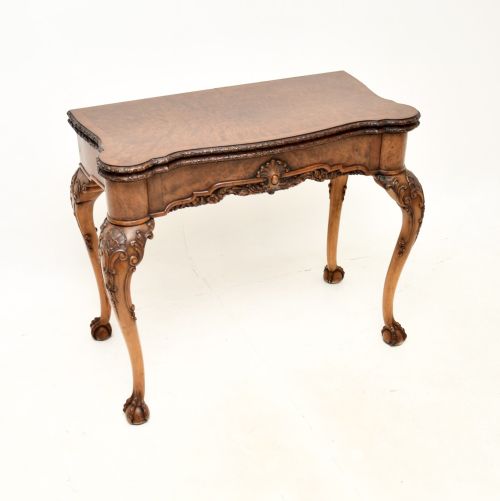
Joinery techniques incorporated mortise and tenon frames for seating and stable concertina actions for card tables. Leather, fabric, and upholstery filled out stools, chairs, and desk surfaces.
Even tortoiseshell chatelaine scent bottles and solid silver salvers occasionally adopt this grasping motif.
What varies in quality
The definition and depth of the hand-carved foot separate ordinary examples from exceptional pieces. Strong articulation in the talons and a well-rounded sphere show superior craftsmanship by the woodcarver.
Timber selection dictates the overall presence of the furniture, with figured burr walnut and dense red walnut achieving a richer finish than standard grain. Structural integrity across extended dining tables and heavy armchairs reflects the original joinery standards.
Warings·Giles Grendey
The Claw and Ball Glossary
- Cabriole leg
- A furniture leg that bends outward in a convex curve and tapers inward in a concave curve, ending in a carved foot. This profile mimics the natural leg shape of an animal.
- Pie crust table
- A small circular occasional table featuring a raised, carved, and scalloped edge resembling pastry work. These tops typically sit on a central tripod base with carved feet.
- Tilt top table
- A table designed with a mechanism allowing the circular top to pivot vertically when not in use. This arrangement saved space in period rooms.
- Bergere
- An enclosed upholstered armchair with wooden framing and cane panelling along the sides and back. The style provides lighter seating while maintaining structural support.
Claw and Ball: Frequently Asked Questions
How do I identify a genuine claw and ball foot?
Examine the carving where the talons wrap around the sphere, looking for distinct knuckles and independent digits rather than a flat, moulded blob. Hand-carved examples display subtle tool marks and natural asymmetry.
Compare the timber on the foot to the leg above to ensure the wood matches in grain and age. Revivals often copy 18th-century proportions, so timber analysis helps confirm the manufacturing period.
What periods do claw and ball items come from?
Original pieces date back to the 18th century, particularly the George II and George III eras, when the motif gained widespread popularity in British furniture. You will also find many pieces from the Victorian period and Edwardian revivals.
Chippendale revival workshops in the late 19th and early 20th centuries frequently reproduced these foot designs on dining chairs and tables. These revival pieces account for a substantial portion of the available items.
Which woods are most common for these pieces?
Mahogany and walnut serve as the predominant woods for claw and ball furniture across both original and revival periods. Red walnut and burr walnut frequently appear on 18th-century tables and desks.
Oak and elm are occasionally utilised for country house seating and sturdy stools. Upholstered pieces often combine exposed mahogany or walnut frames with leather or fabric coverings.
How should I care for leather top desks and chairs?
Keep leather surfaces away from direct sunlight and heat sources to prevent the material from drying out and cracking. Apply specialised leather balms periodically to maintain flexibility and colour.
Dust wooden frames gently with a dry cloth and avoid harsh chemical polishes. Ensure upholstery remains clean by vacuuming fabric attachments on a regular basis.