

Classical Wood Mirror
A classical wood mirror brings symmetry and reflective depth to a room through traditional carved motifs and gilded surfaces.
Classical Wood Mirror
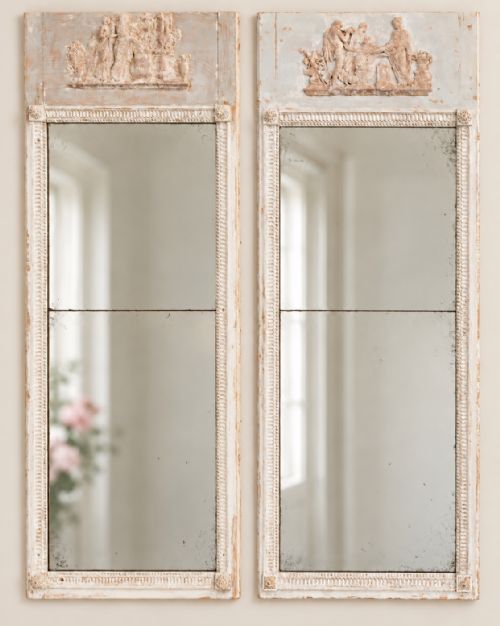
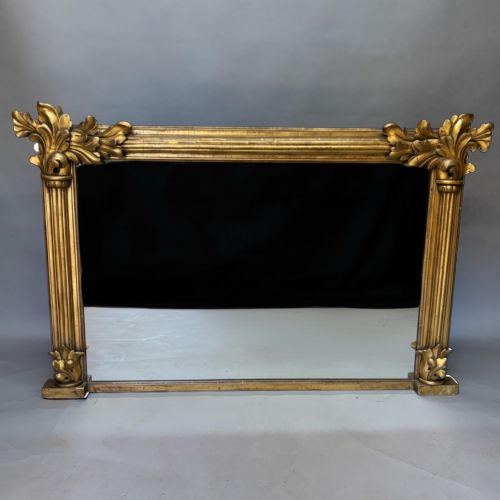
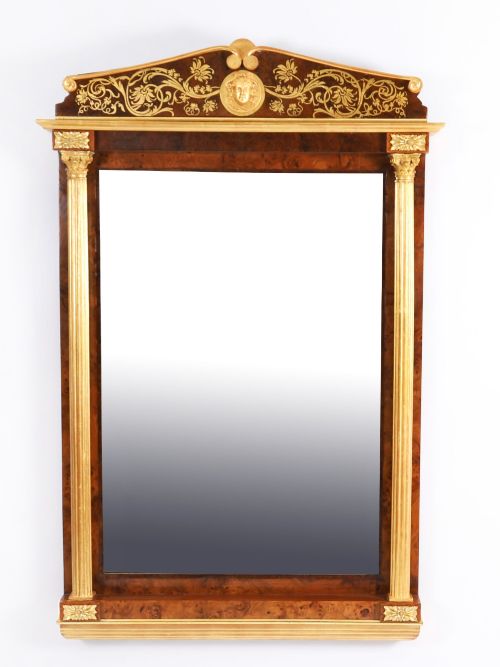
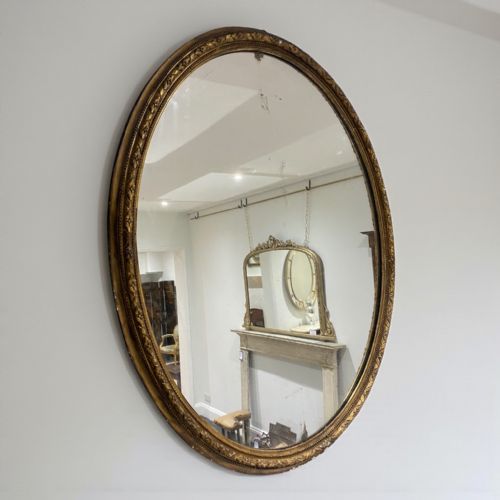
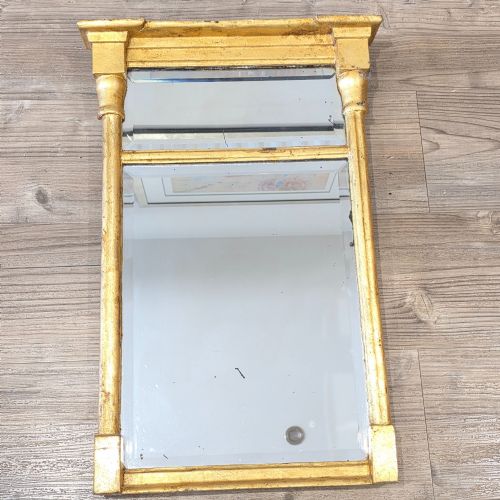
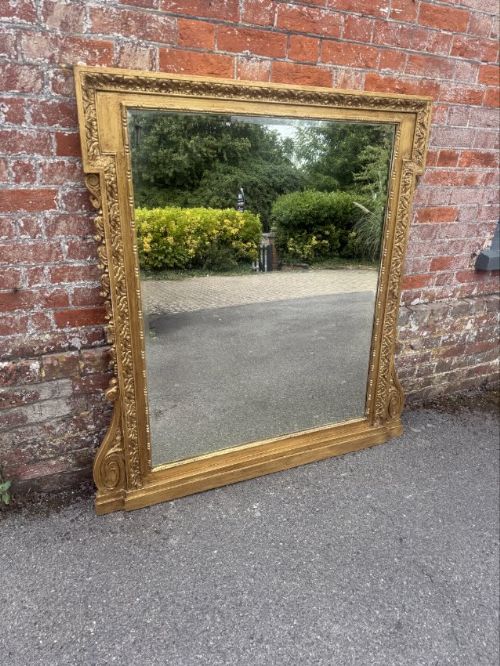
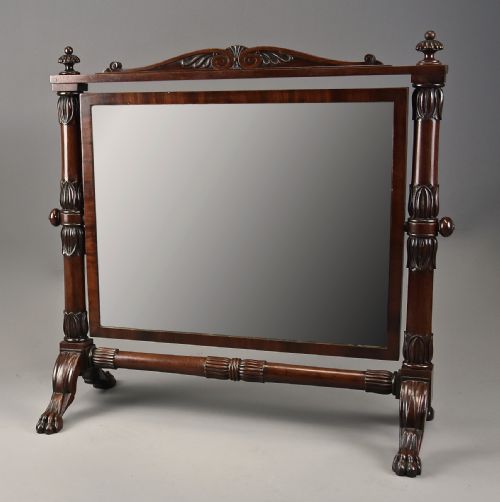
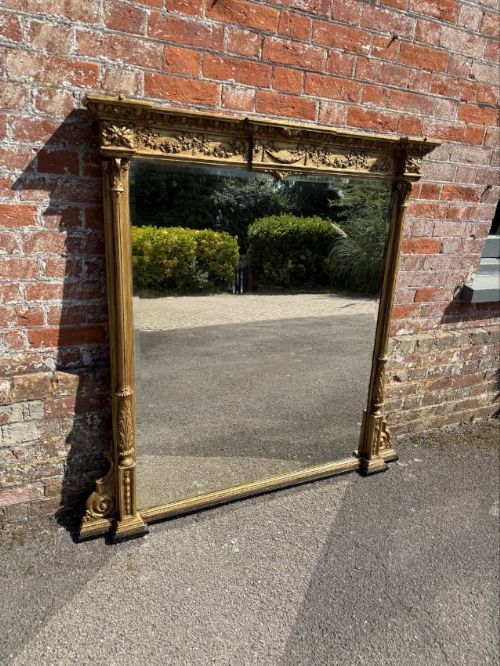
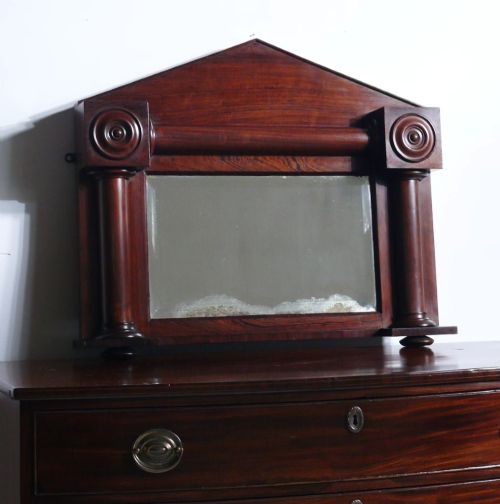
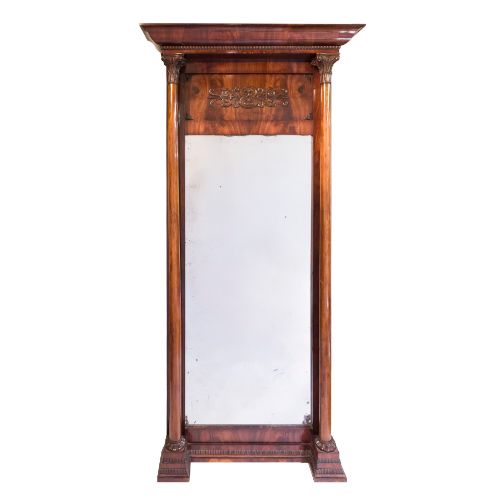
A classical wood mirror is typically encountered as a large overmantel glass, a tall pier mirror, or a wall-hanging frame produced during the nineteenth century. These objects anchor a room by reflecting light and offering balanced architectural proportions derived from Georgian and Regency design.
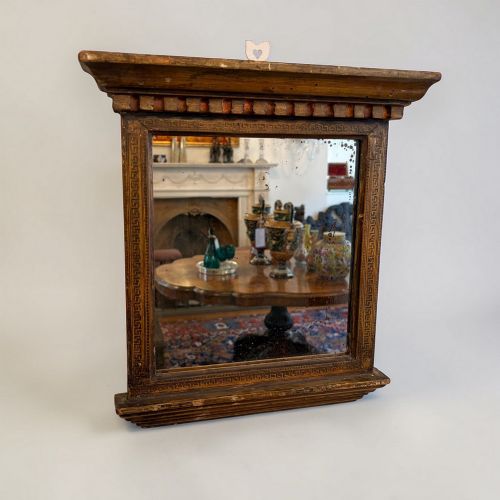
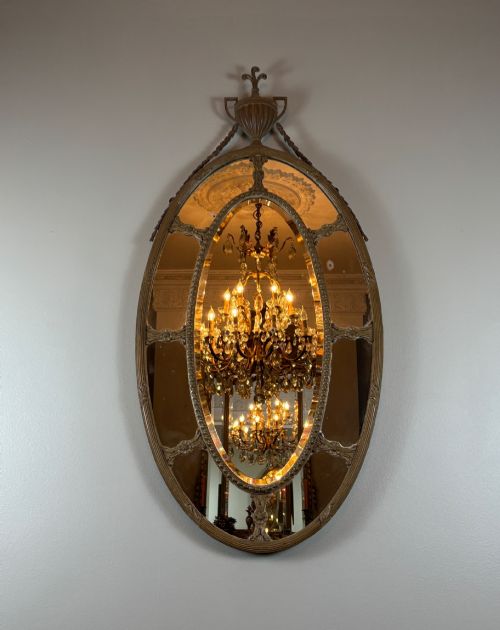
Most examples on this page span the Victorian era, the Regency period, and revival movements such as Adam and Neoclassical styles. Buyers frequently select these forms to complement traditional interiors with timber frames, gesso enrichments, and gilt finishes.
Materials and construction methods
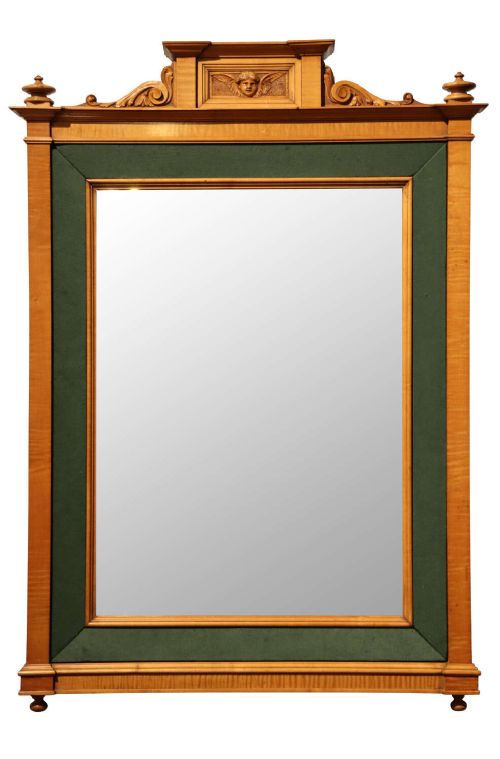
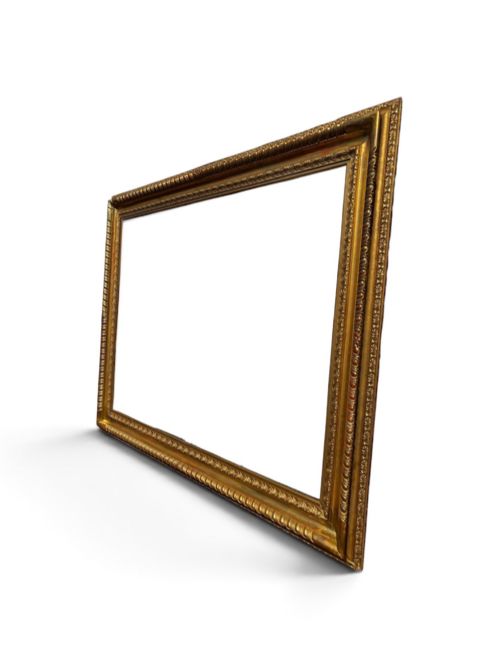
Frames rely on solid timbers such as mahogany, rosewood, and satinwood, often paired with applied gesso moulded to form classical swags, urns, and scrolling foliage. Wood carvers shaped the primary structures before gilding them with gold leaf or applying paint and parcel-gilt highlights.
Mirror glass is set within these timber and composition frames, sometimes featuring triple plates or bevelled edges. The interaction between carved wood, brittle gesso, and reflective glass defines the physical presence of each piece.
Classical Wood Mirror Retail Price Guide 2026
Typical asking prices for classical wood mirror among the pieces listed under this phrase on Sellingantiques today, from the lower quarter to the upper quarter. They describe what is for sale here now, not the wider market.
Some nineteenth-century frames include carved wooden cherubs keeping a watchful eye over the parlour.
Distinguishing quality across periods
Quality rests upon the crispness of the hand-carved wood details and the depth of the gilding applied over the gesso mouldings. Superior pieces display finely articulated motifs like cherubs, urns, and floral garlands that retain their original definition beneath the gold leaf.
The integrity of the timber frame and the clarity of the original mirror glass further separate standard production items from exceptional country house or revival commissions. Well-preserved surfaces demonstrate careful ageing without excessive restoration to the carved elements.
The Classical Wood Mirror Glossary
- Giltwood
- Timber coated with gold leaf over a prepared gesso ground. This finish provides a bright reflective surface that catches natural daylight in a room.
- Overmantel
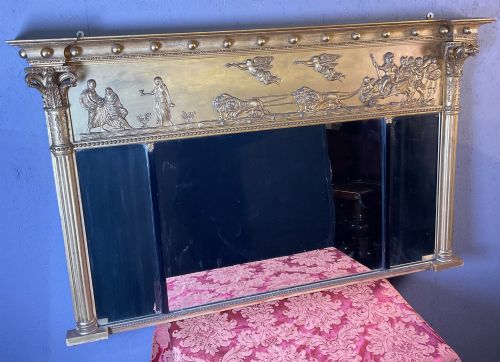
- A large mirror designed to hang directly above a fireplace mantelpiece. These pieces often feature wide rectangular or triple-plate formats.
- Pier mirror
- A tall vertical mirror built to hang on the narrow wall space between windows. They reflect additional light into darker architectural zones.
- Gesso
- A plaster-like mixture applied to wood frames and carved or moulded into relief decorations. It forms the base for subsequent gilding or painting.
- Trumeau
- A decorative wall mirror incorporating a painted panel or artwork above the glass. French examples frequently employ this layout.
Classical Wood Mirror: Frequently Asked Questions
Where should I hang an overmantel mirror?
These large frames suit placement directly above a chimney breast where they command the central axis of a reception room.
Positioning the glass at this height maximises the reflection of light from opposite windows across the space.
How do I identify a Regency mirror?
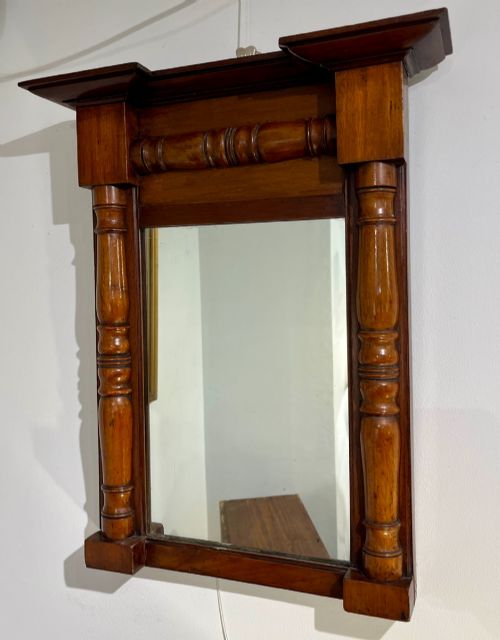
Regency pieces often incorporate classical architectural details like reeded columns, ebonised inner slips, and ball-studded cornices.
Their proportions tend to feel bold and restrained, drawing on ancient Greek and Roman design vocabularies.
What is parcel-gilt wood?
Parcel-gilt surfaces combine exposed natural timber, such as mahogany or walnut, with selective applications of gold leaf.
This technique highlights specific carved mouldings while allowing the grain of the wood to remain visible.
Are these mirrors suitable for daily use?
These frames function reliably in domestic settings when securely anchored to structural walls using appropriate hardware.
Their solid wood construction provides the necessary rigidity to support heavy glass plates over long periods.