


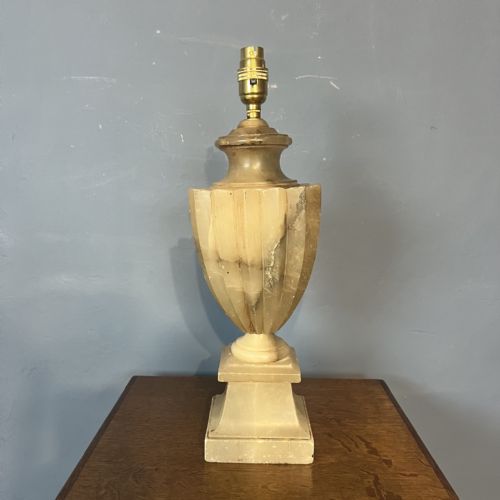


Classical Urn Table Lamp
A classical urn table lamp brings architectural dignity and warm illumination to a room, drawing on centuries of ancient form.
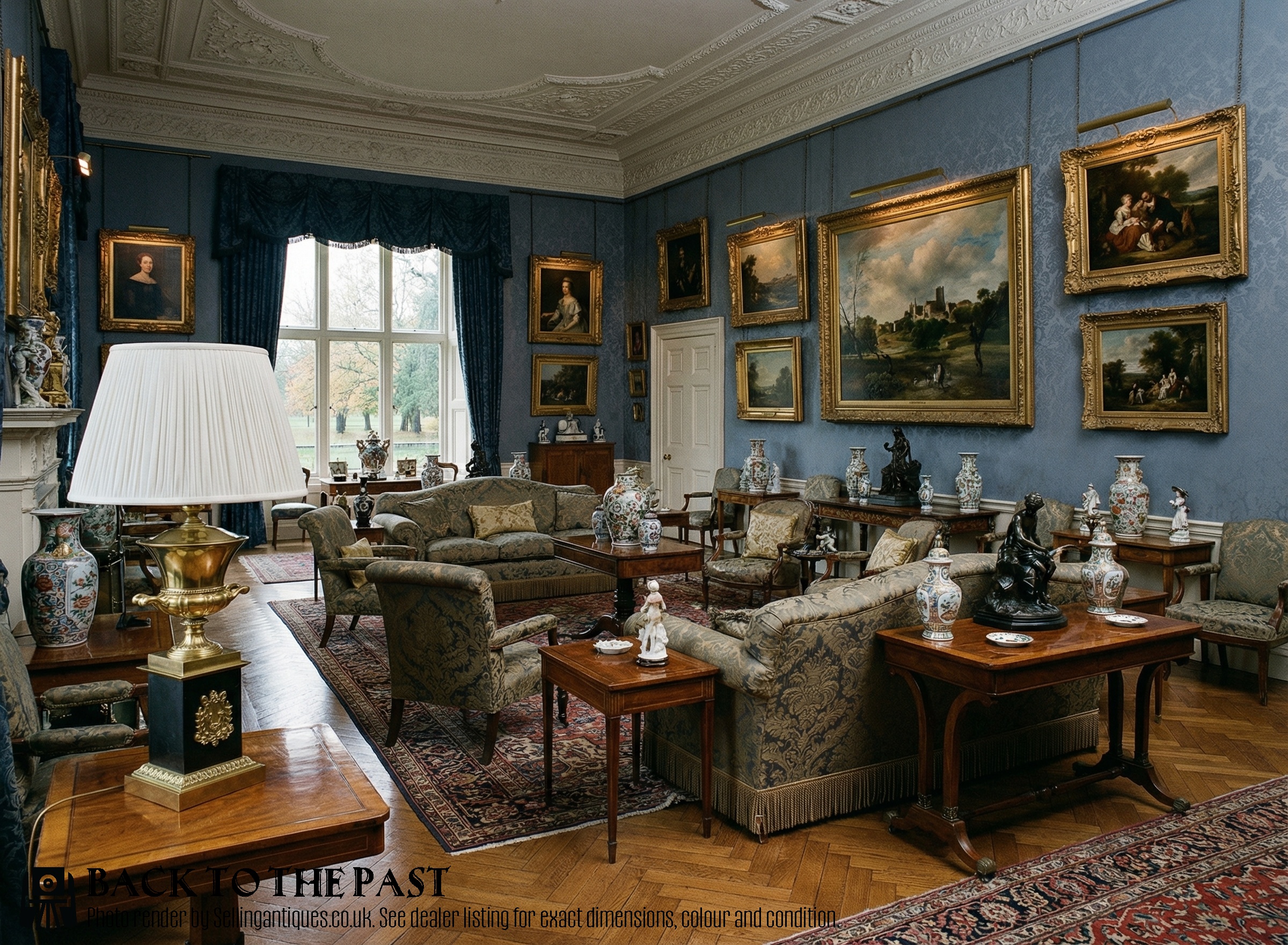
Classical Urn Table Lamp
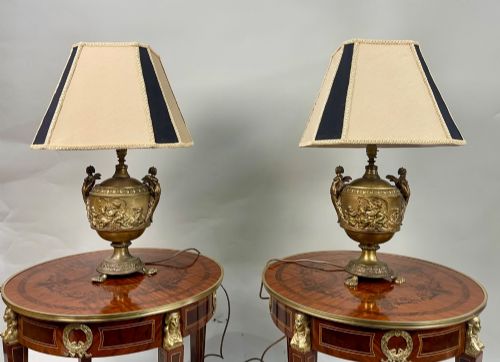
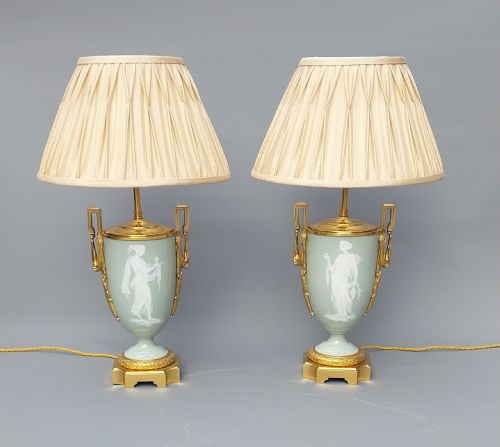
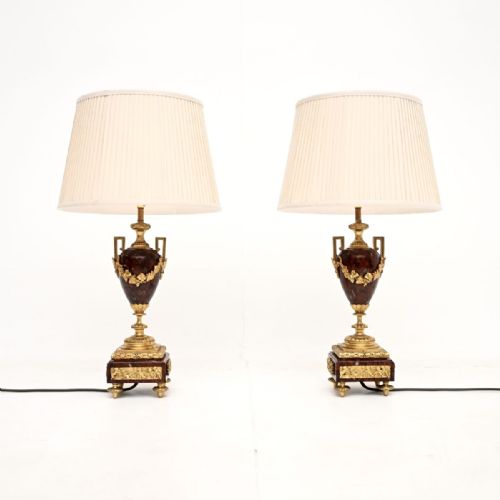
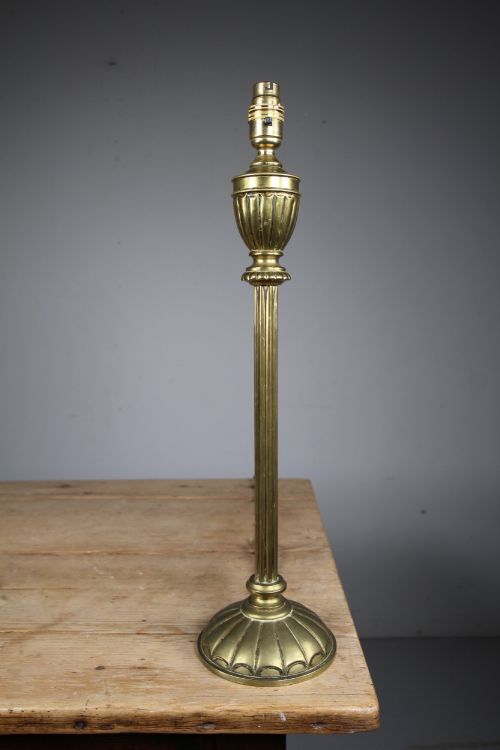
A classical urn table lamp takes the ancient shape of a handled vessel or amphora and adapts it for interior lighting. These pieces draw heavily on Neoclassical, French Classical, and Empire styles, translating monumental architecture and sculpture into domestic scale.
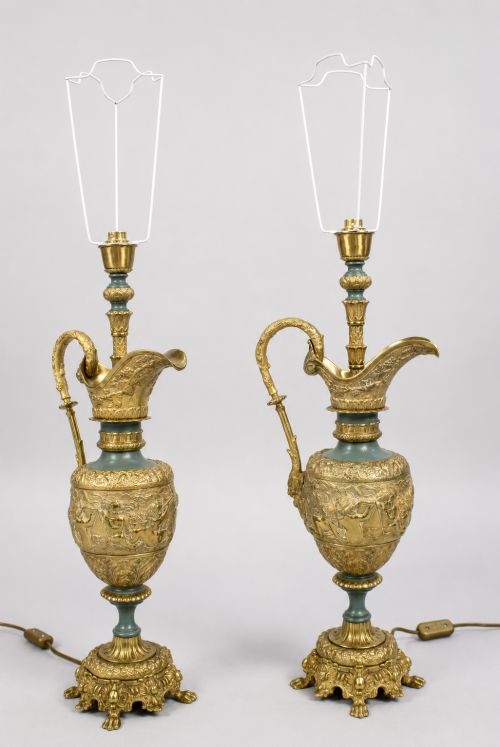
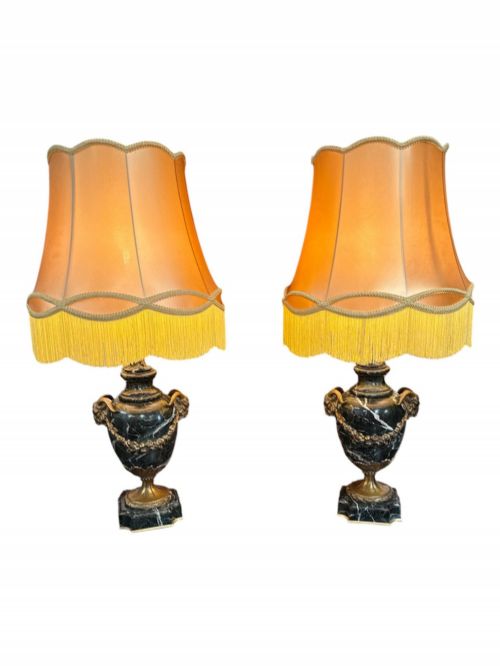
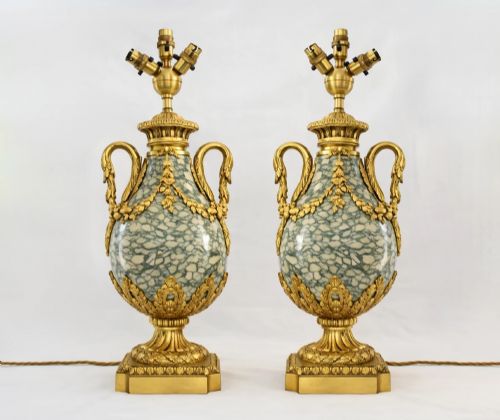
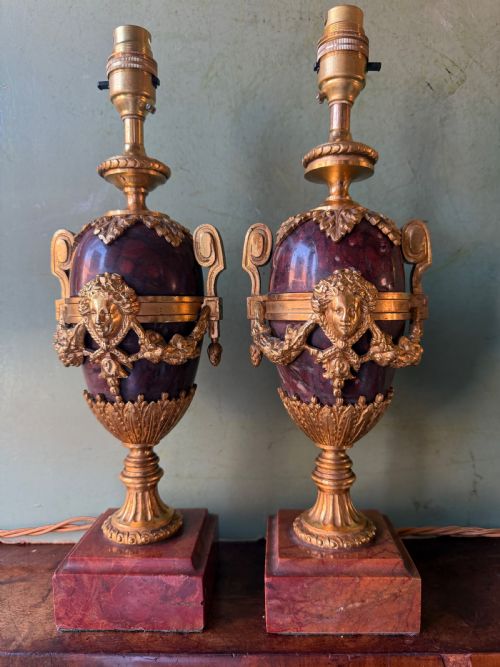
Buyers seeking this phrase most frequently encounter nineteenth-century examples and early twentieth-century revivals. The forms range from slender gilt metal ewers and cassolettes to robust marble and alabaster bodies mounted with ormolu.
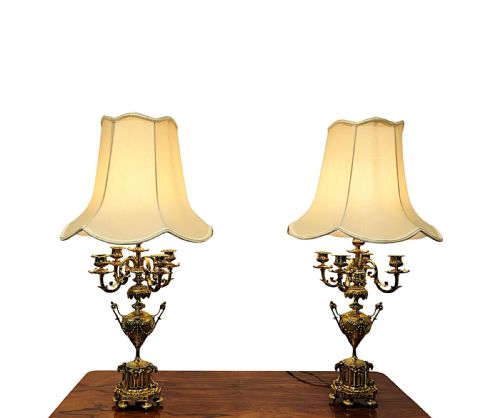
Many of these lighting fixtures began life as decorative ornaments, candelabra, or functional ewers before undergoing conversion into table lamps. This lineage accounts for the heavy metal mounts, twin handles, and sculptural bases that define the category.
Materials and construction
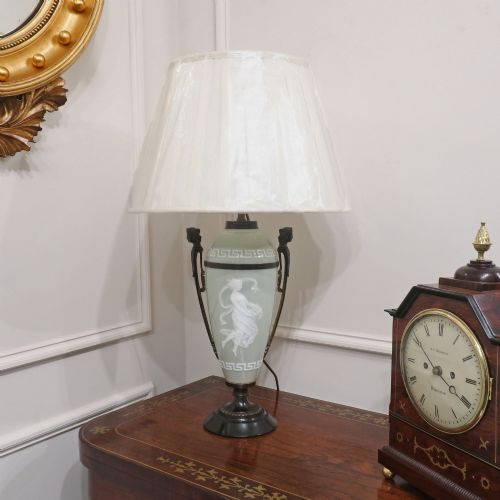
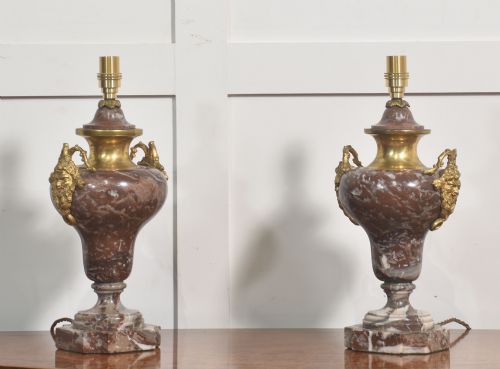
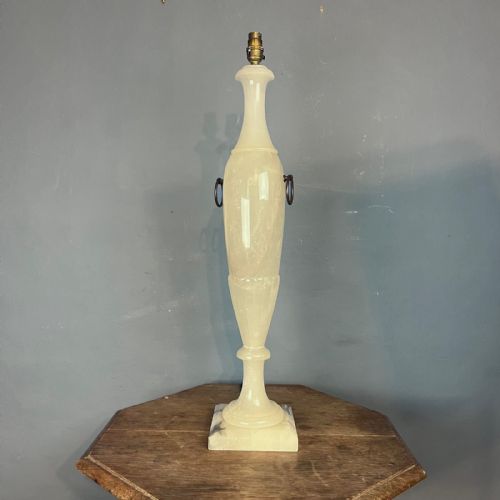
Makers combined tactile stones such as rouge marble, white marble, alabaster, and onyx with cast metals like brass, bronze, and gilt metal. Ormolu mounts and giltwood enrich the stone bodies, providing contrast and sharp decorative detail.
The construction relies on turning and carving dense minerals for the central urn body, paired with detailed metal casting for handles, paw feet, and collars. Converted pieces often show adaptations where electrical wiring passes through the original core of an antique vessel.
Classical Urn Table Lamp Retail Price Guide 2026
Typical asking prices for classical urn table lamp among the pieces listed under this phrase on Sellingantiques today, from the lower quarter to the upper quarter. They describe what is for sale here now, not the wider market.
Several heavy stone vessels secretly hide their ancient dignity by moonlighting as modern reading lights.
Factors of quality
Quality rests in the crispness of the metal chasing and the depth of the mineral grain. Finer examples display meticulously detailed ormolu mounts with hand-chiseled definition, whereas simpler pieces rely on standard cast components.
The choice of stone heavily influences the character of the object, with translucent alabaster and rich veined marbles sitting at the higher end of domestic manufacture. Proportion and weight also matter, as solid metal foundations and balanced urn profiles create a more substantial presence.
Harrison Brothers & Howson
The Classical Urn Table Lamp Glossary
- Ormolu
- Gilt bronze produced by applying a finely ground mercury-gold amalgam to cast bronze. This technique creates a durable, warm golden finish seen on French mounts.
- Cassolette
- A decorative vase or urn designed with a reversible lid that functions either as a solid vessel or an incense burner. In lighting, these bodies are often adapted into lamp bases.
- Ewer
- A large jug with a wide spout and a handled belly, originating from ancient serving vessels. Nineteenth-century makers frequently converted these tall shapes into table lamps.
- Alabaster
- A fine-grained, translucent stone used extensively for carved lamp bodies. Its natural permeability allows light to diffuse softly through the material when illuminated.
- Neoclassical
- A design movement reviving the styles of classical Greece and Rome. This aesthetic prioritises symmetry, restraint, and classical architectural motifs.
Classical Urn Table Lamp: Frequently Asked Questions
What is a classical urn table lamp?
A classical urn table lamp is a decorative lighting fixture shaped like an ancient Greek or Roman vessel, often featuring handles, pedestal bases, and metal mounts.
These pieces draw on centuries of architectural design, translating monumental urn forms into functional household lamps.
Were these lamps converted from older objects?
Many examples began as decorative vases, bronze ewers, or candelabra before receiving electrical fittings at a later date.
This history of conversion accounts for the heavy metal mounts and solid stone bodies found in the category.
How do I style a marble urn lamp?
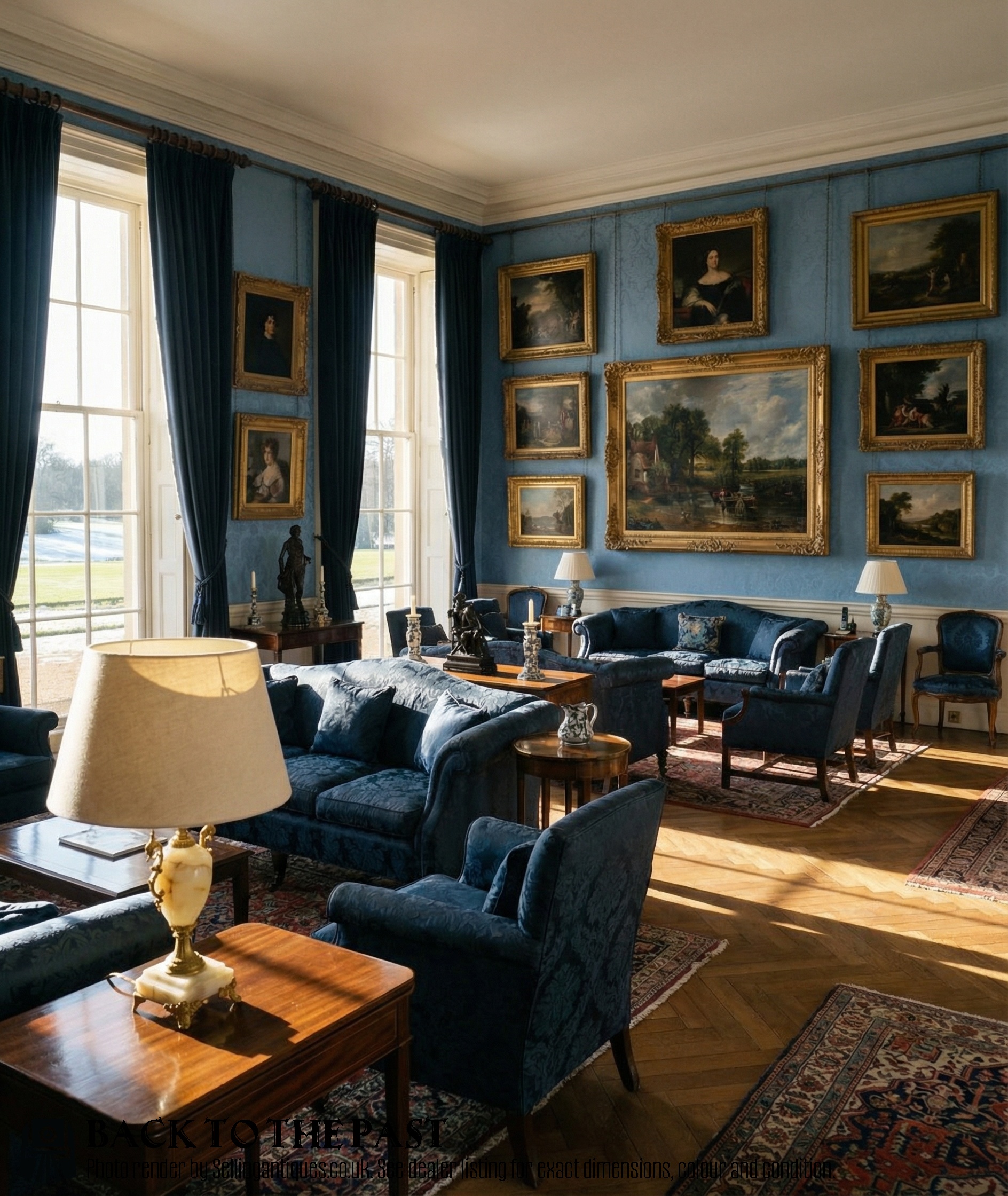
These lamps suit traditional rooms, studies, and drawing rooms where their architectural presence can anchor a sideboard or desk.
Pair them with neutral fabric shades to let the carved stone and gilt metal details remain the focal point.
How do I date an antique urn lamp?
Dating relies on identifying the materials, such as nineteenth-century ormolu mounts, alabaster bodies, or early twentieth-century wiring methods.
Stylistic cues like Louis XVI Revival motifs or Edwardian brasswork also help narrow down the period of manufacture.