



Classical Urn Ornaments
These classical urn ornaments bring formal dignity to gardens and rooms through enduring bronze, cast iron, and carved stone forms.
Classical Urn Ornaments
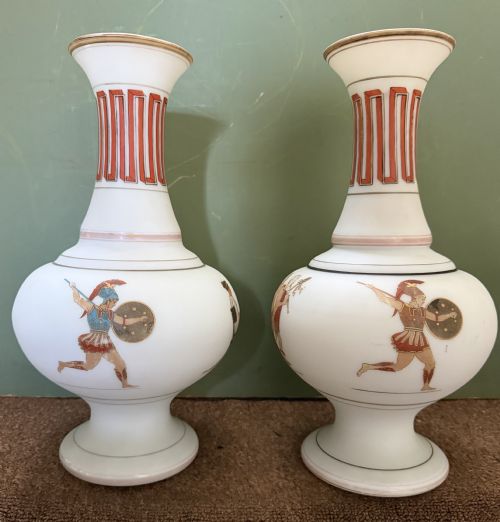
Classical urn ornaments encompass a range of decorative vessels, garden planters, and architectural objects shaped by ancient forms. Buyers searching for classical urn ornaments will encounter pieces designed to evoke the grandeur of Greece and Rome within domestic and outdoor settings.
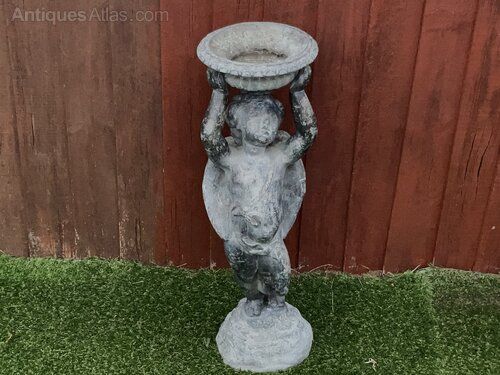
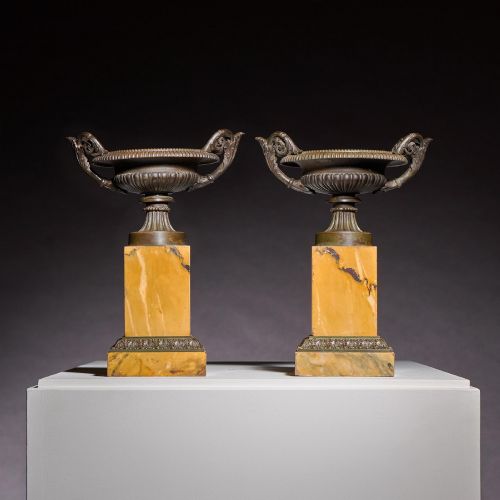
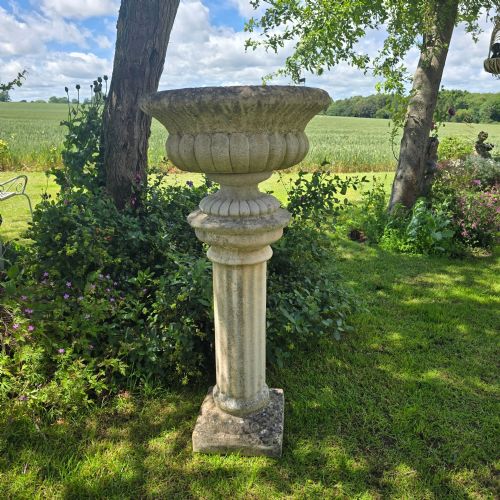
The selections available lean heavily toward the nineteenth century, including Victorian campana urns, Regency bronze tazzas, and sturdy cast iron garden pieces. Forms extend from small tabletop souvenirs to large architectural vessels meant for lawns and terraces.
Makers and foundries of the period drew directly upon archaeological discoveries, resulting in pieces styled for the Grand Tour or produced by notable British ironworks. These objects serve both ornamental and practical functions as vases, planters, and display items.
Materials and Construction
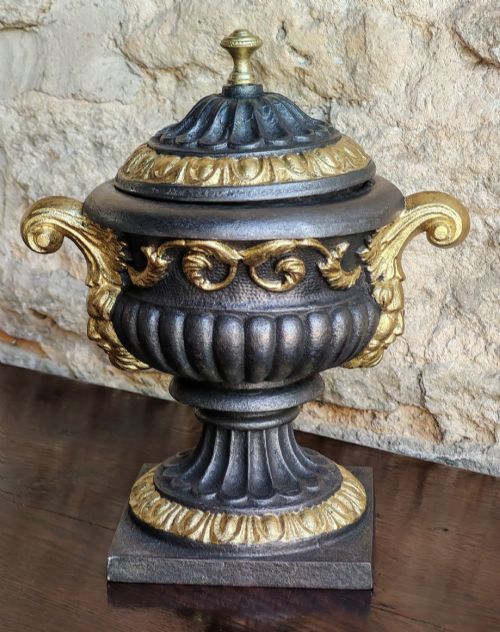
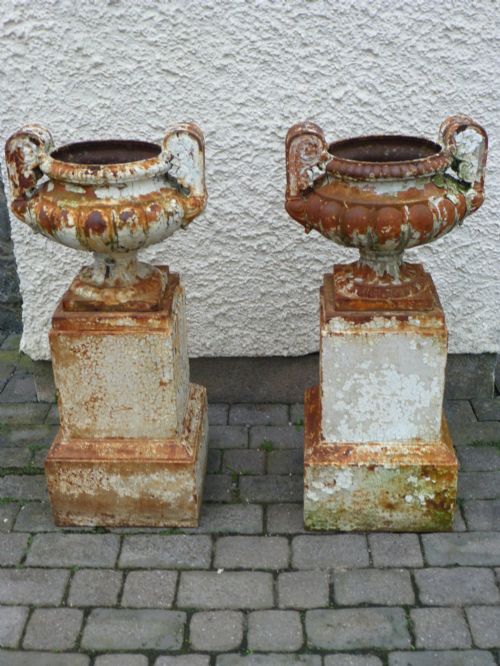
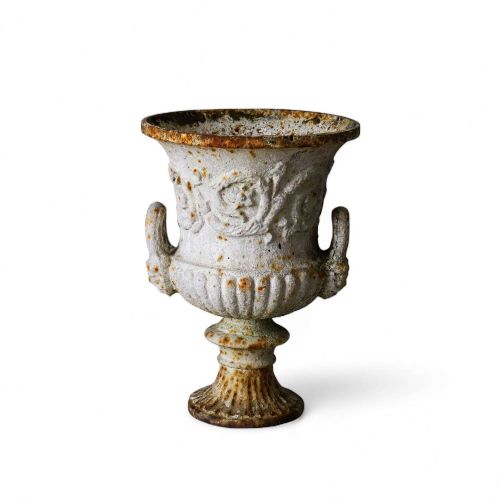
Metalwork forms utilise durable cast iron, bronze, and brass, often cast in foundational foundries before receiving hand-chased details or ormolu mounts. Iron examples were frequently finished with protective paint to withstand external weathering.
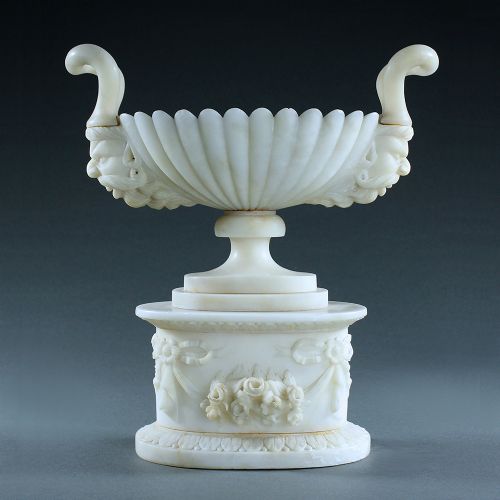
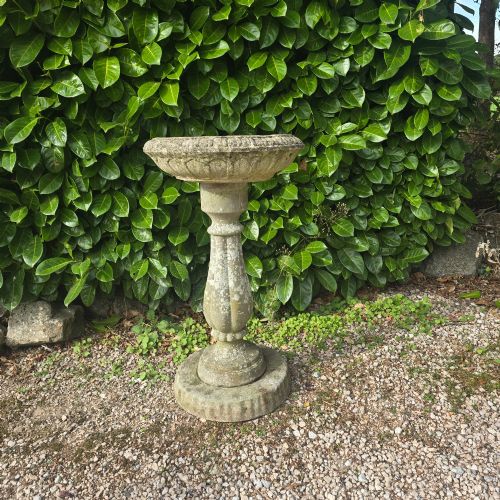
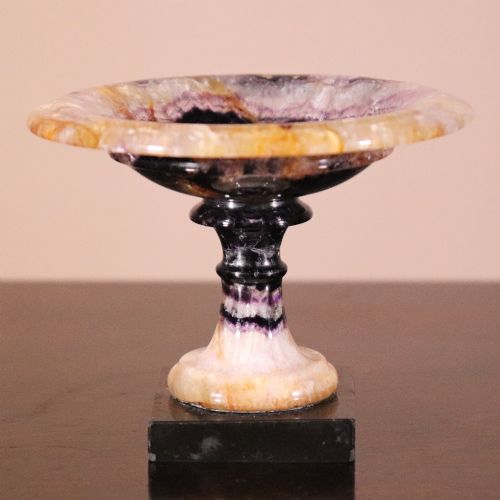
Stone and marble works combine carved natural materials like limestone, Siena marble, and Blue John with reconstituted stone and terracotta. Stonemasons shaped these pieces using traditional carving techniques, while composite stones were pressed into moulds to achieve classical relief decoration.
Classical Urn Ornaments Retail Price Guide 2026
Typical asking prices for classical urn ornaments among the pieces listed under this phrase on Sellingantiques today, from the lower quarter to the upper quarter. They describe what is for sale here now, not the wider market.
Several Victorian pieces owe their existence to travellers stuffing luggage with miniature Italian bronze cups.
Distinguishing Quality
Quality rests upon the crispness of the casting and the depth of the sculptural detail visible in the classical motifs. Superior metal pieces exhibit sharp relief work and careful patination, whereas lesser examples display softer lines and indistinct foliage.
The choice of materials dictates the standing of the piece, with genuine marbles and fine bronzes sitting above mass-produced iron or spelter. Original combinations, such as bronze mounted upon matching marble bases, separate standard production items from finer display objects.
Falkirk Carron foundry·Coalbrookdale·Andrew Handyside·Selim Bright·Minton
The Classical Urn Ornaments Glossary
- Campana urn
- A bell-shaped vessel with a flared rim and pedestal foot, widely used in classical garden design. These forms draw directly from ancient pottery traditions.
- Grand Tour
- A cultural journey undertaken by wealthy Europeans to study classical antiquities, inspiring souvenir bronzes and marble ornaments. These miniature or cabinet pieces replicate famous ruins and sculptures.
- Ormolu
- Gilded bronze applied as a decorative mount to marble vessels and clocks. The technique involves a mercury-gilding process that produces a bright golden finish.
Classical Urn Ornaments: Frequently Asked Questions
What materials are used for classical urn ornaments?
The selections encompass cast iron, bronze, brass, lead, and spelter alongside natural stones like limestone, Siena marble, Blue John, and terracotta.
Foundries and masons shaped these materials to replicate ancient Greek and Roman forms for both interior display and garden use.
Where were these urns placed originally?
Larger iron and stone vessels stood upon lawns, terraces, and plinths within English country house gardens.
Smaller bronze and marble versions rested inside upon tables, cabinets, and mantelpieces as decorative cabinet objects.
How do I identify a Grand Tour piece?
Grand Tour ornaments typically combine miniature bronze castings with coloured marble bases like rouge griotte or Siena.
These souvenirs were brought back by travellers visiting Italian antiquities during the nineteenth century.
Are cast iron urns suitable for outdoor use?
Heavy cast iron urns from nineteenth-century foundries were built specifically to withstand exterior conditions on original stone plinths.
Weathered surfaces on these iron pieces indicate long exposure to the elements in garden settings.