

Classical Urn Light
When you handle a classical urn light, you touch an architectural form that brings ancient sculptural dignity straight into a room.
Classical Urn Light
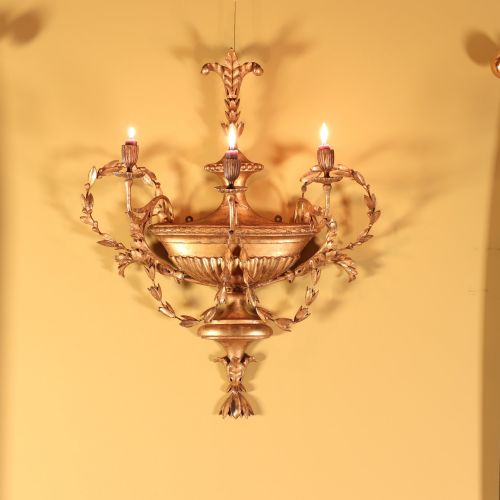
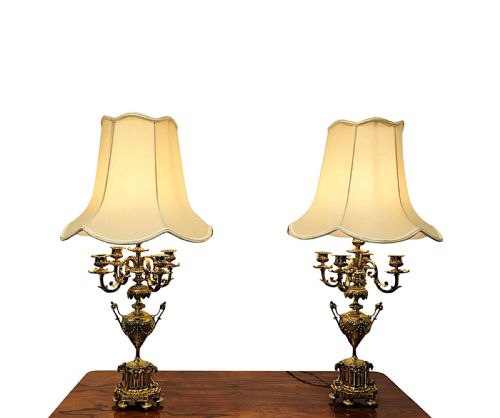
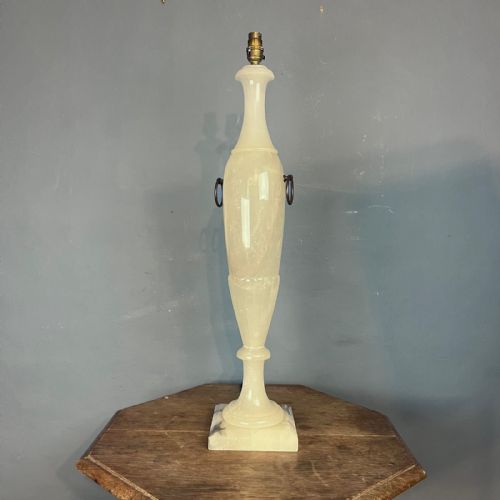
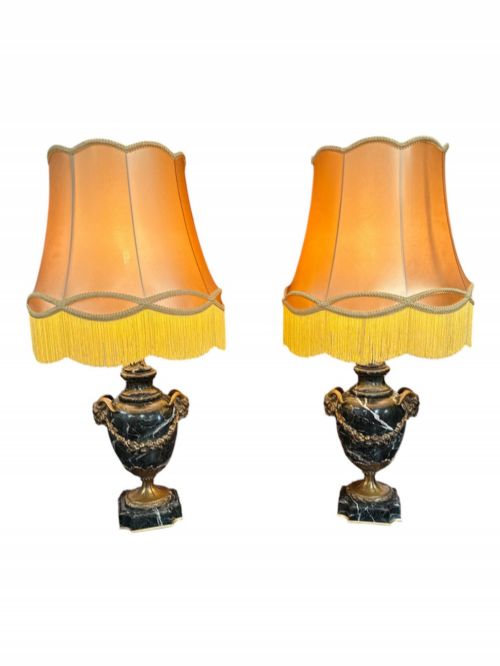
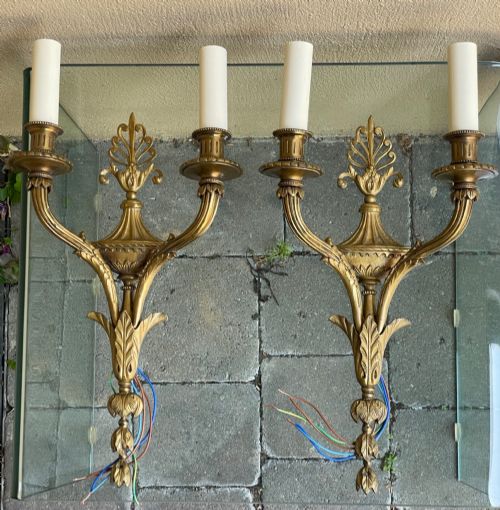
A classical urn light combines the balanced proportions of antique vessels with interior illumination, serving as a focal point in traditional rooms. When searching for a classical urn light, buyers encounter variations ranging from converted candelabra and architectural marble bodies to wall-mounted sconces and standard floor lamps.
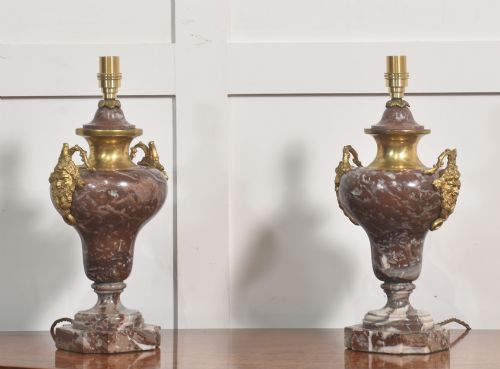
The objects stem predominantly from nineteenth-century workshops and early twentieth-century makers, drawing heavily on French Neoclassical, Louis XVI, and Empire design vocabularies. Table lamps and wall lights dominate the selection, frequently paired symmetrically for mantelpieces, sideboards, or grand reception rooms.
How they were made
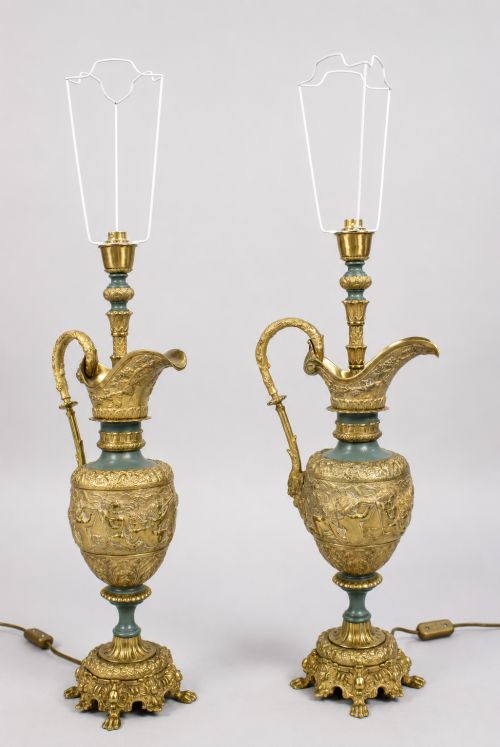
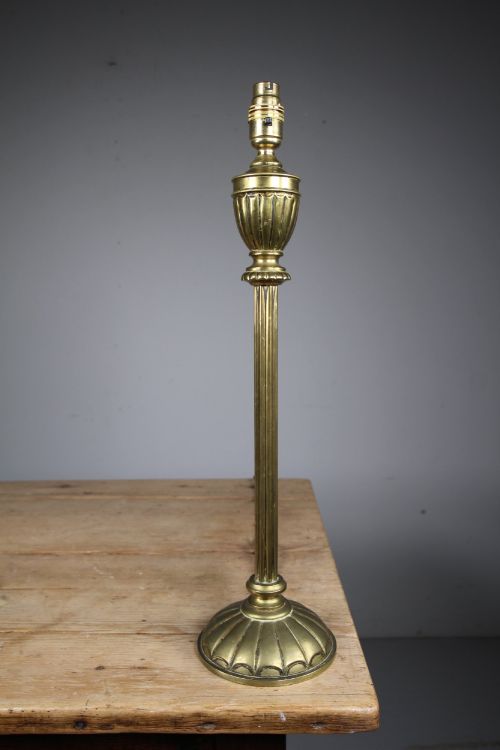
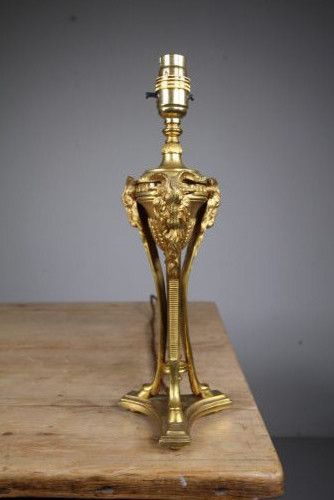
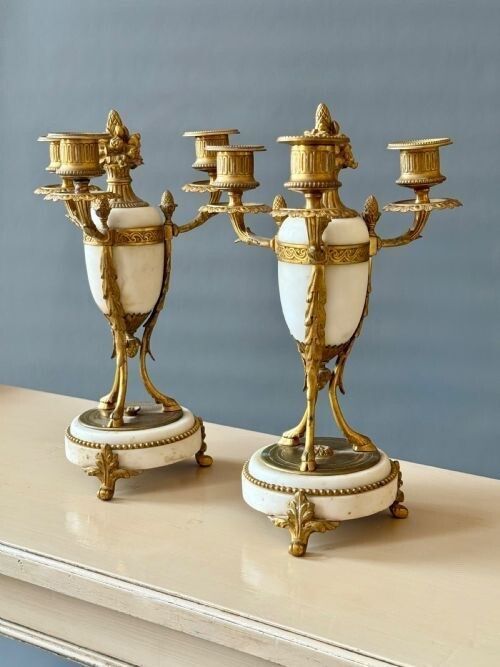
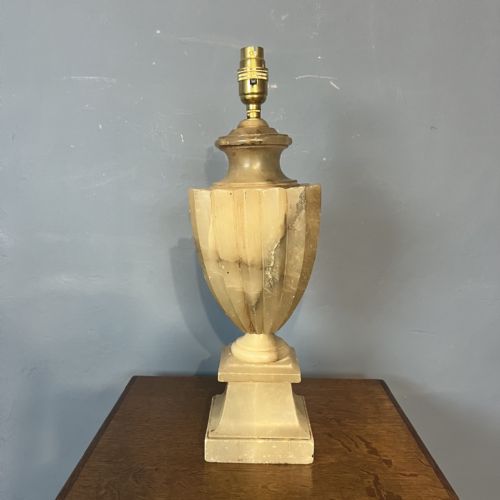
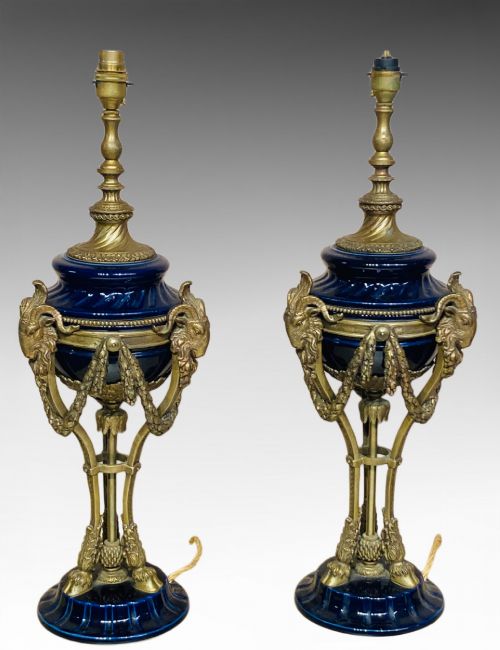
Craftsmen built these fixtures using a combination of cast metal work and carved stone, employing brass, gilt bronze, and ormolu to mount bodies of white alabaster, rouge marble, and onyx. Artisans turned stone on lathes to shape the central urn, then chased and gilded metal mounts by hand.
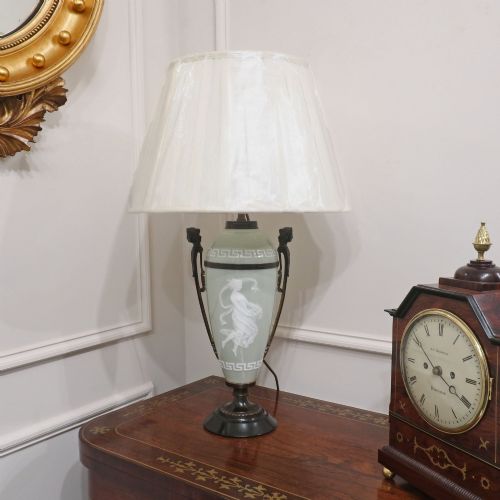
Many examples began life as functional candleholders, candelabras, or cassolettes before undergoing conversion to electricity in later decades, while others utilised porcelain elements like pate sur pate or moulded plaster alongside fabric shades.
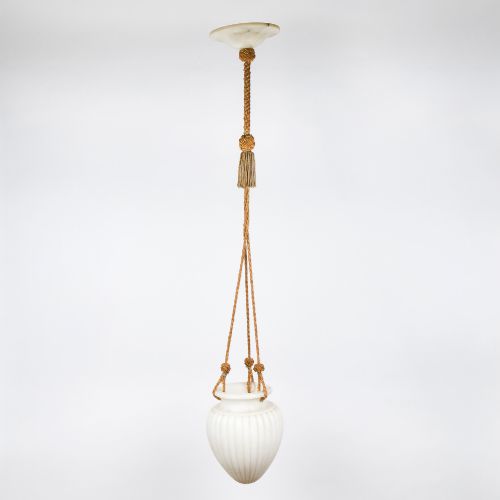
Object types include table lamps, wall sconces, standard floor lamps, candelabras, and hanging lights.
What varies in quality
The excellence of a piece rests primarily on the crispness of the bronze chasing and the select density of the marble or alabaster. Finer specimens display deep, hand-finished detail in the metal mounts, such as ram's head masks and acanthus leaves, rather than soft or blurry cast definitions.
Weight, stability, and the harmonious integration of metal collars onto natural stone bodies separate standard production items from workshop pieces created for high-status interiors.
Casier·Thomas Hope·Harrison Brothers & Howson
The Classical Urn Light Glossary
- Ormolu
- Gilded bronze produced through a mercury amalgamation process, yielding a rich golden surface found on mounts and bases. It requires careful cleaning to preserve the historic finish.
- Cassolette
- A decorative vessel shaped like an urn, often featuring a reversible lid that functions as a candleholder. In lighting conversions, these vessels form the primary body of the lamp.
- Pate sur pate
- A ceramic technique where wet white porcelain slip is painted onto a darker body in successive layers to build up a low-relief cameo effect. This method creates translucent sculptural detail on lamp bodies.
- Ewer
- A jug with a wide spout and handle, frequently adapted into the symmetrical silhouette of a classical urn light. These forms echo ancient Greek and Roman vessel designs.
- Neoclassical
- A style reviving classical antiquity's architectural and decorative motifs, prominent during the eighteenth and nineteenth centuries. It emphasises symmetry, restraint, and classical urn shapes.
Classical Urn Light: Frequently Asked Questions
How do I identify a converted candelabra?
Look for threaded wiring channels drilled through the original candle nozzles and drip pans, alongside plugged side arms where multiple branches once held candles.
These modifications often retain the structural weight and balance of the original nineteenth-century bronze or brass lighting apparatus.
Where should I place a wall sconce?
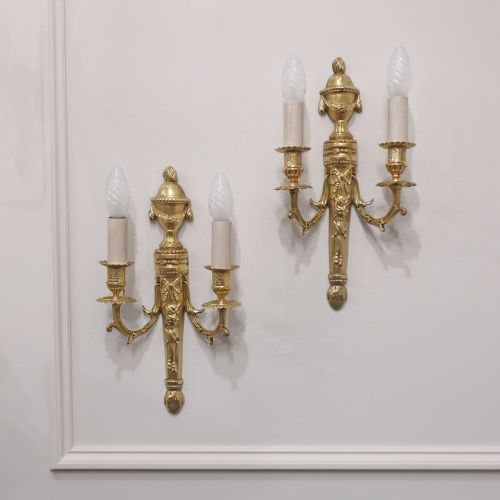
Wall sconces and twin-arm wall lights suit flanking positions beside large mirrors, fireplaces, or architectural doorways in formal reception spaces.
Their projecting arms and mirrored or gilded backplates help distribute warm illumination across panelled or papered walls.
Are alabaster lamps fragile?
Alabaster is a softer, naturally translucent stone that requires gentle handling and dry dusting to prevent surface scratching or moisture staining.
Placement should avoid areas of high humidity or direct impact to protect the delicate carved edges of the urn bodies.
What periods do these designs reference?
The forms draw heavily on Louis XVI, French Empire, and general Neoclassical revivals popular across the nineteenth and early twentieth centuries.
Cabinetmakers and bronze-workers of these later eras deliberately copied antique Greek and Roman urn proportions to satisfy Victorian and Edwardian taste.