


Classical Urn Floral Art
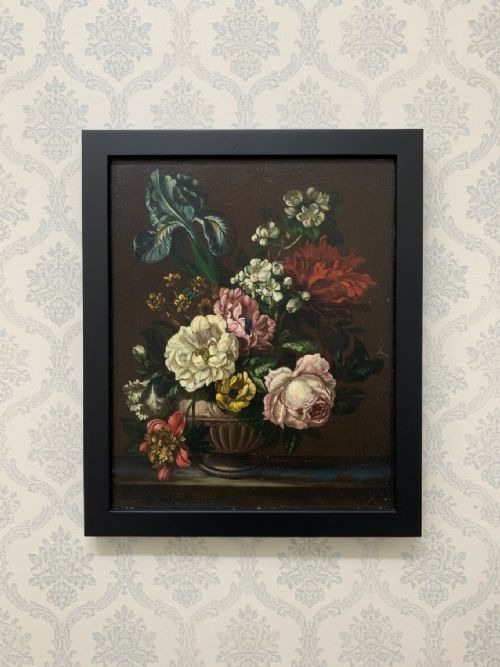
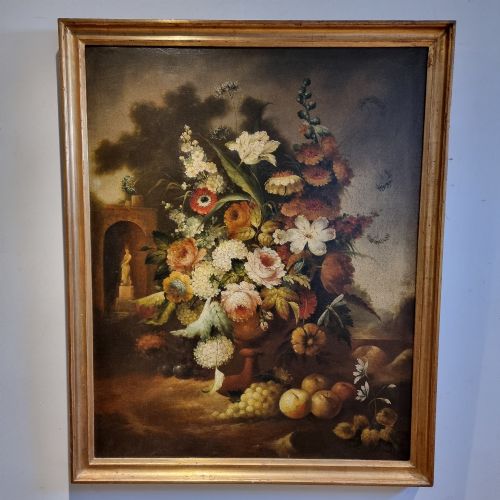
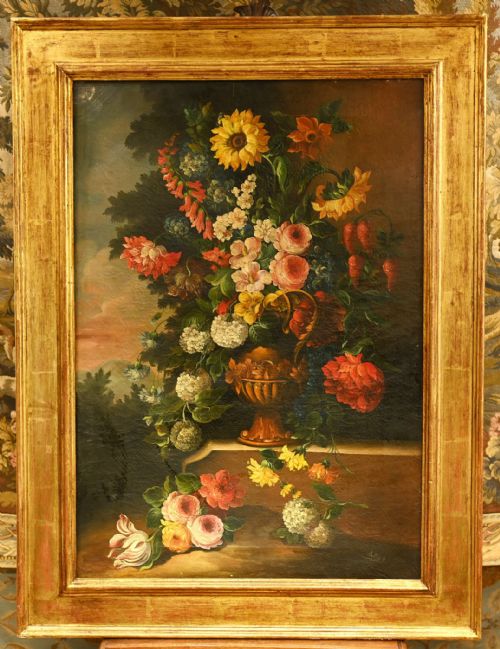
These pieces of classical urn floral art bring grand botanical and architectural motifs into a room through oil paint on canvas or wood panel.
Classical Urn Floral Art
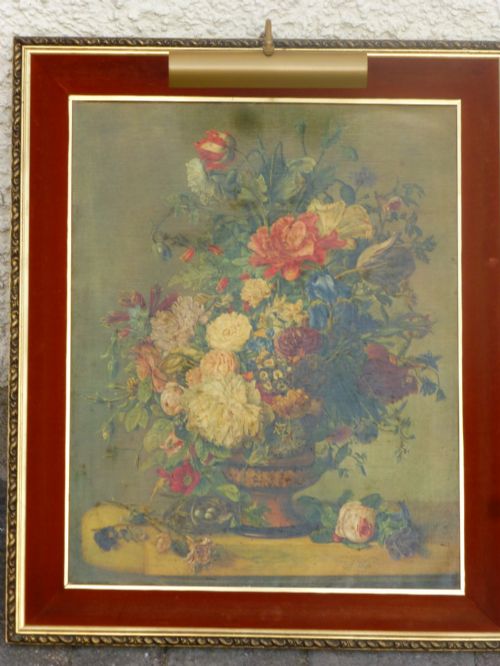
When you search for classical urn floral art, you encounter oil paintings on canvas, wood panel and timber frame that depict elaborate arrangements of flowers and fruit. These artworks range from authentic 18th century compositions to 19th century interpretations and 20th century revivals.
The compositions frequently draw on Dutch Golden Age, Flemish Revival and Italian School traditions. You meet single works and matched pairs that place botanical displays within decorative urns.
The dating spans from the 18th century through to mid twentieth century works. Canvas and wood panel provide the primary grounds for these painted arrangements.
How they were made
Artists painted directly onto prepared canvas or wood panels using oil paint. Timber frames often house these works, sometimes with gilded wood or giltwood finishes enhancing the presentation.
Techniques range from direct hand painting on canvas to oleograph reproductions after artists such as Anton Weiss. Painters built up floral and fruit compositions using traditional layering methods seen in Dutch and Italian schools.
Styles represented include Dutch Golden Age, Flemish Revival, Baroque and Classical approaches.
What varies in quality
Quality rests in the handling of the oil paint, particularly in the rendering of petals, foliage and the carved details of the urn. Finer examples show careful tonal variation and convincing depth within the floral and fruit compositions.
The physical support also distinguishes the pieces, as solid wood panels and heavier canvas grounds carry different weight and presence than later oleograph prints. Original timber frames and period giltwood finishes add another layer of craftsmanship.
The Classical Urn Floral Art Glossary
- Oil on canvas
- A painting technique where oil paint is applied to stretched woven fabric. This provides a resilient and textured ground for detailed brushwork.
- Wood panel
- A rigid flat wooden support used by artists instead of canvas. Panels maintain stability and smooth surfaces for fine detail.
- Giltwood
- Wood that has been coated with a thin layer of gold leaf or gilt. This finish creates a reflective and decorative border for classical paintings.
- Dutch Golden Age
- A period of Netherlandish painting renowned for detailed still life and floral subjects. Subsequent revivals emulate this style.
- Oleograph
- A mechanical print textured to resemble an oil painting. These copies recreate the visual effect of canvas art through industrial means.
Classical Urn Floral Art: Frequently Asked Questions
What is classical urn floral art?
These pieces comprise oil paintings on canvas and wood panel depicting floral arrangements inside urns. They reflect historical styles from Dutch and Italian traditions.
The works range from original 18th century compositions to later revival pieces and decorative wall art.
How do I date these paintings?
Dating relies on the support material, framing style and artistic technique visible in the brushwork. 18th century works differ in canvas preparation and pigment handling compared to 20th century revivals.
Examining the timber frame and the reverse of the panel often reveals clues about the age of the piece.
Where should I hang these?
These paintings suit dining rooms, living spaces and entrance halls where traditional wall art creates a formal focal point. Paired compositions work well above mantelpieces or sideboards.
Keep them away from direct sunlight and excessive moisture to protect the oil paint and wood.
Are frames original?
Framing varies across the selection, with some works retaining period timber frames or giltwood surrounds. Later pieces may feature replacement frames chosen to complement the classical style.
Review the specific material notes for each listing to understand the frame construction.