





Classical Styling Furniture
Classical styling furniture draws on antique forms and motifs, offering refined proportion and lasting material presence for traditional interiors.
Classical Styling Furniture
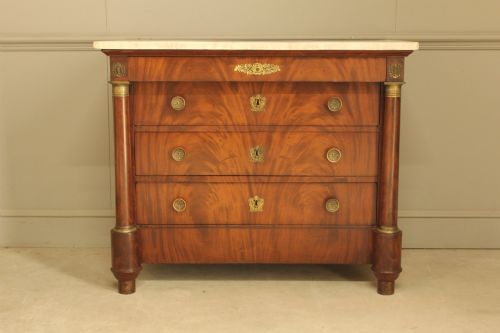
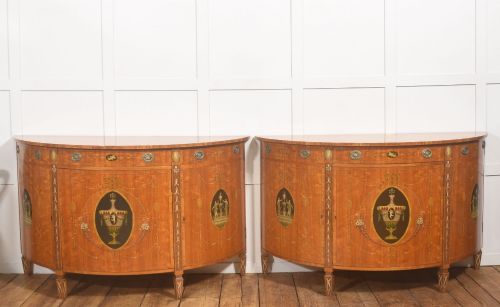
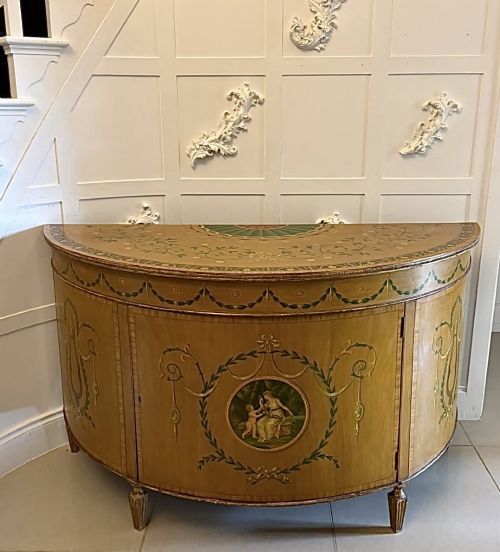
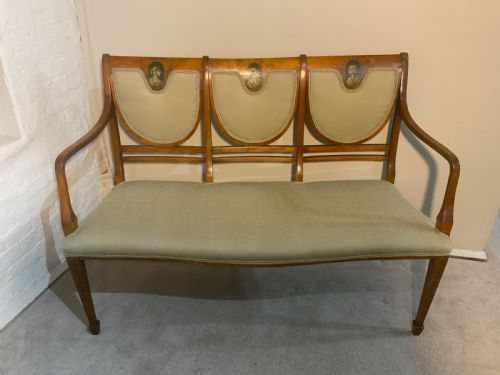
Classical styling furniture encompasses pieces designed with reference to ancient architectural vocabularies, including side cabinets, console tables, desks, and centre tables. These items reflect enduring historical forms drawn from periods such as the Regency, the nineteenth century, and subsequent revival eras. Buyers encounter varied expressions of this aesthetic, from British satinwood pieces to continental giltwood consoles.
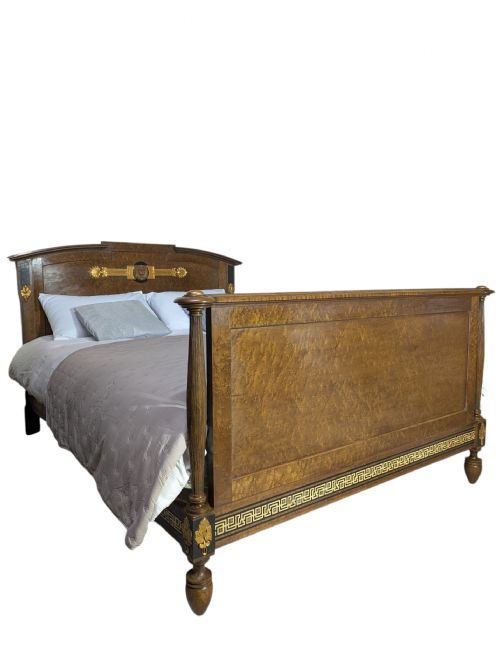
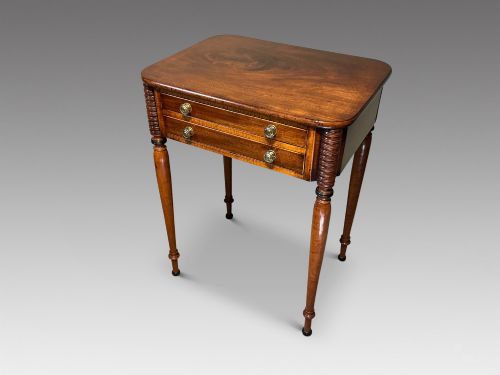
The selection on this page relies heavily on nineteenth-century production alongside early twentieth-century revivals. Mahogany, satinwood, and rosewood form the primary structural timbers, frequently paired with decorative paintwork or giltwood details. Pieces range from formal seating and display cabinets to smaller occasional tables and bedside units.
How They Were Made
Cabinet makers utilised dense hardwoods such as mahogany and rosewood as foundational structures, often applying figured satinwood veneers to prominent surfaces. These timbers received hand-rubbed finishes that highlighted natural grain patterns. Structural integrity relied on traditional joinery methods suited to each form.
Surface ornamentation involved intricate marquetry inlay, painted neoclassical panels, and carved giltwood or parcel-gilt highlights. Marble tops appeared frequently on console tables and commodes, requiring careful stone-cutting and fitting. Brass mounts, handles, and gallery rails added metallic contrast to the timber and painted finishes.
Classical Styling Furniture Retail Price Guide 2026
Typical asking prices for classical styling furniture among the pieces listed under this phrase on Sellingantiques today, from the lower quarter to the upper quarter. They describe what is for sale here now, not the wider market.
Listings include items spanning the nineteenth century and the 1900s, featuring mahogany, satinwood, and marble.
What Varies in Quality
Execution separates standard production from exceptional examples, visible in the precision of inlay work and the depth of carved detail. Cabinet makers of higher standing employed finer veneers and more complex timber selections, such as flame mahogany or finely figured satinwood. Painted decorations demonstrate varying degrees of artist skill, ranging from simple border lines to detailed classical scenes.
Proportion and structural balance dictate the visual impact of each piece. Superior examples maintain strict adherence to classical architectural rules, where column placement, frieze proportions, and leg profiles harmonize. Lower-tier items often display heavier framing or less refined junction work between contrasting materials like marble and wood.
Jacob Desmalter·James Shoolbred Co
The Classical Styling Furniture Glossary
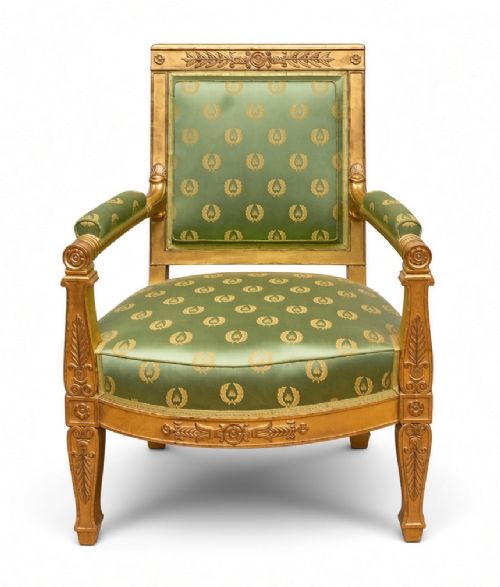
- Fauteuil
- An open-armed wooden armchair with upholstered seat and back, common in French seating design. The arms typically feature padded elbow rests above exposed carved wooden supports.
- Giltwood
- Wood that has been covered with a thin layer of gold leaf or gesso and gilding powder. This treatment provides a reflective, opulent finish for decorative frames, console tables, and architectural mounts.
- Satinwood
- A durable timber obtained from tropical trees, prized for its golden-yellow colour and lustrous sheen. It serves as a primary solid wood or decorative veneer in eighteenth and nineteenth-century cabinet making.
- Console table
- A table designed to stand against a wall, frequently supported by wall brackets or front legs. These tables often feature marble tops and elaborate carved or painted bases.
- Marquetry
- The art of applying pieces of veneer to a structure to form decorative patterns and pictorial designs. Craftsmen use contrasting woods, metals, and shells to create intricate surface ornamentation.
Classical Styling Furniture: Frequently Asked Questions
What defines classical styling furniture?
This category encompasses items that incorporate design elements from Greek and Roman architecture, such as columns, pilasters, symmetrical proportions, and classical motifs like urns and swags. Makers interpreted these historical motifs across various forms including tables, desks, and cabinets.
Pieces range in date from the early nineteenth century through to later revival periods, utilising timbers like mahogany and satinwood alongside decorative paint and gilt.
Where should I place a console table?
Console tables function effectively in entrance halls, living rooms, or dining spaces where floor space is limited. Because their backs traditionally face the wall, they provide a surface for decorative objects, lamps, or mirrors without obstructing room traffic.
Many examples feature marble tops or slender legs, making them visually light additions that anchor empty wall sections in traditional interiors.
How do I care for satinwood furniture?
Satinwood surfaces require protection from direct sunlight and excessive moisture to prevent fading and veneer lifting. Regular dusting with a soft, dry cloth maintains the natural lustre of the wood without the need for heavy chemical polishes.
Applying a traditional beeswax sparingly helps nourish the timber and protects the finish from atmospheric drying over time.
How do I distinguish Regency from revival pieces?
Original Regency pieces date from the early nineteenth century and typically display tighter construction methods, native timber usage appropriate to the era, and genuine period wear. Revival items, often produced around nineteen hundred, reflect later interpretations of the style using mechanical aids and different secondary woods.
Examining the drawer linings, backboards, and internal construction methods helps determine whether a piece originates from the primary period or a later revival movement.