
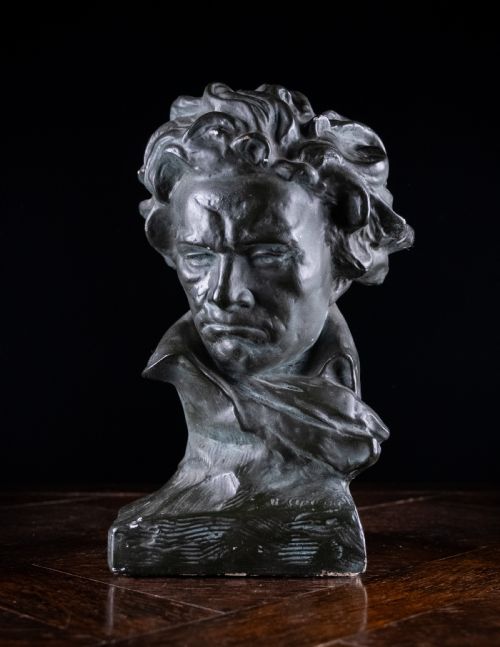


Classical Style Portrait Sculpture
Classical style portrait sculpture brings the dignified presence of ancient figures and historic personalities directly into domestic interiors through lasting materials.
Classical Style Portrait Sculpture
A classical style portrait sculpture presents likenesses of noblewomen, noblemen, emperors, philosophers, and historic composers in three-dimensional form. Buyers seeking these pieces encounter subjects ranging from Roman emperors like Marcus Aurelius and Augustus to cultural figures such as Beethoven, Virgil, and Dante.
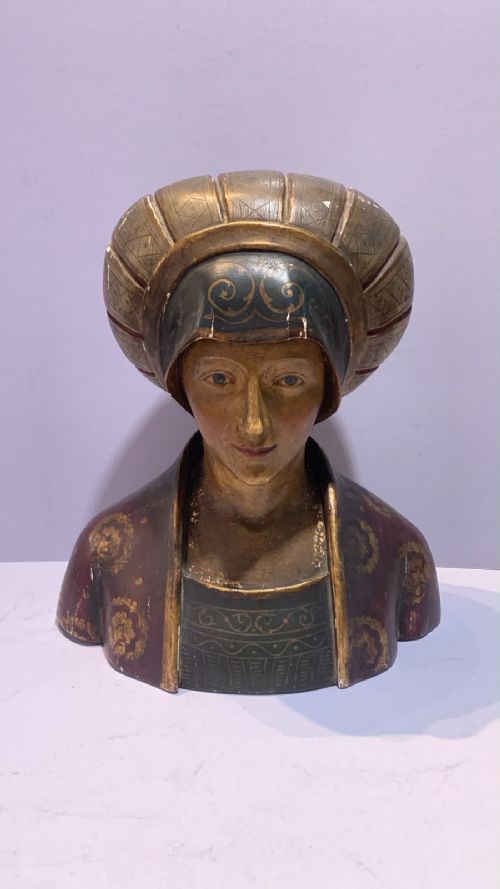
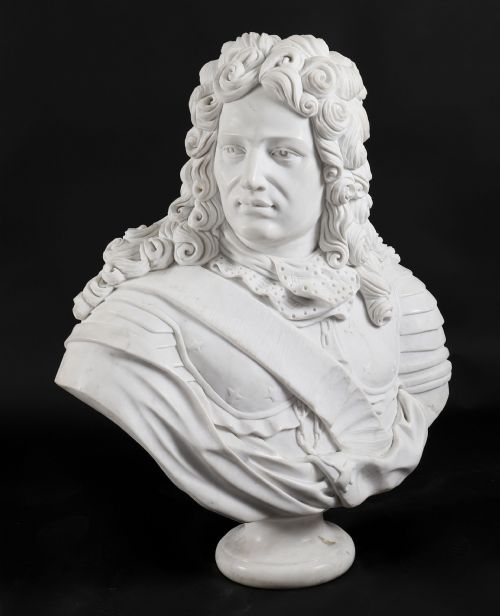
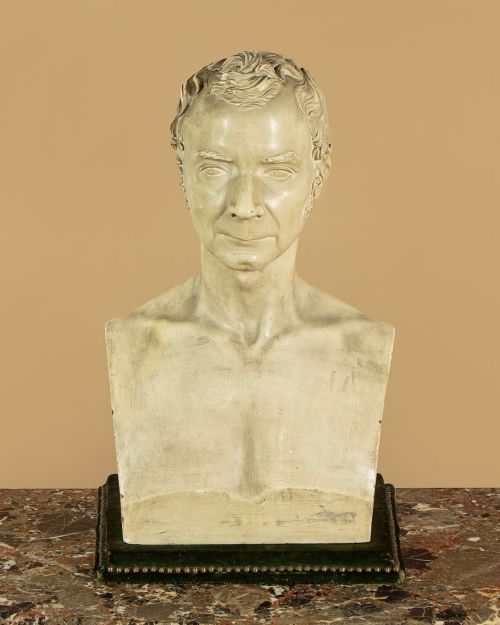
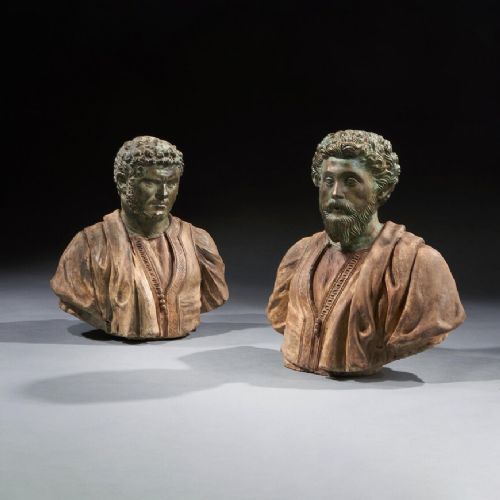
The objects appearing across this selection take the form of busts, relief plaques, and head-and-shoulder studies. Italian marble carvings and painted plaster library busts emerge most frequently, alongside bronzed terracotta and alabaster examples.
Origins stretch from Grand Tour souvenirs to specific European workshops, capturing nineteenth-century revivals of earlier periods. These works serve as enduring studies of human character modelled on antiquity.
Materials and Techniques
Carvers shaped Carrara marble, alabaster, and stone using chisels and rasps to achieve smooth flesh tones and crisp drapery. Sculptors working in marble often drew upon earlier Renaissance or classical models to guide their proportions.
Modelling materials such as plaster and terracotta allowed artists to capture fine detail before applying paint, patina, or bronze coatings. Painted plaster library busts gained surface depth through careful application of polychrome or patinated finishes.
Periods represented span from pre-sixteenth century fragments through eighteenth-century carvings to nineteenth-century and mid-twentieth-century revivals.
Assessing Quality and Execution
Execution of facial expression and anatomical proportion separates finer sculpture from simpler decorative copies. Master carvers or established sculptors achieved subtle shifts in muscle tension and gaze that lesser hands missed.
The integrity of the material and the crispness of the cast or chisel work dictate the visual strength of the piece. Subtle patination and pigment application on plaster or terracotta add depth that flat finishes lack.
Mieczyslaw Leon Zawiejski·Antonio Rossellino·Mathurin Moreau
The Classical Style Portrait Sculpture Glossary
- Bust
- A sculpture depicting a person's head, shoulders, and upper chest. This form dominates portrait sculpture.
- Grand Tour
- A cultural journey undertaken by European elites who acquired local sculptures and antiquities as souvenirs. Many nineteenth-century portrait busts derive from this tradition.
- Relief sculpture
- Work where the sculpted figures project from a flat background surface. Profile plaques of literary figures often employ this technique.
- Patination
- The ageing or chemical treatment applied to a surface to alter its colour and texture. Bronze and plaster pieces frequently display distinct patinas.
- Polychrome
- Painted or decorated in several colours. This finish appears on certain plaster and terracotta portrait works.
Classical Style Portrait Sculpture: Frequently Asked Questions
What subjects do these sculptures depict?
These works portray Roman emperors, philosophers, noblemen, noblewomen, and cultural figures such as poets and composers. Many subjects derive directly from classical antiquity and Renaissance portraiture.
Sculptors also represented young boys, ladies, and allegorical figures like maternity and St John the Baptist.
Where were these pieces made?
Origin locations include Italy, France, England, Austria, and Poland. Italian workshops produced many marble carvings and Grand Tour souvenirs.
Other pieces reflect nineteenth-century French and English studio practices for library busts and architectural ornaments.
How do plaster and marble pieces differ?
Marble provides a heavy, durable medium with natural translucency suited to fine carving. Plaster allows for intricate moulding and lighter weight, often finished with paint or patina.
Plaster library busts offered accessible alternatives to costly stone carvings during the nineteenth century.
How should I display a portrait sculpture?
Portrait busts suit placement on sturdy pedestals, mantelpieces, or library shelves where their profiles catch the light. Relief plaques mount securely on walls for eye-level viewing.
Placement should account for the weight of marble and stone pieces.