
Classical Souvenir Bronze
A classical souvenir bronze brings the physical weight of ancient Rome and Greece into a room, cast in miniature during the nineteenth century for travellers abroad.
Classical Souvenir Bronze
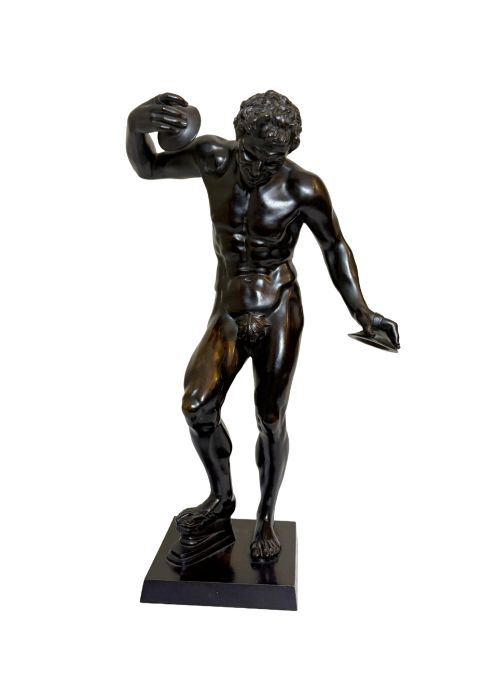
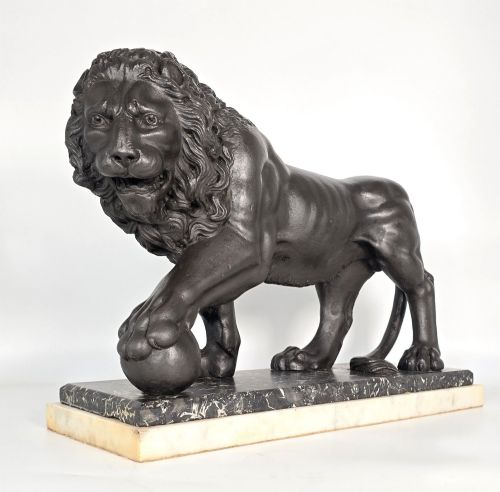
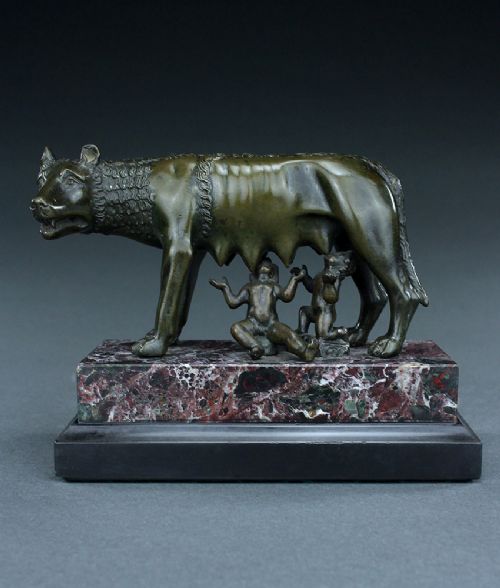
When you search for classical souvenir bronze, you encounter miniature sculptures, architectural models, and decorative vessels collected by European travellers on the Grand Tour during the nineteenth century. These pieces recreate famous classical antiquities from Italian and Greek sites, translating monumental marble and bronze statues into cabinet-sized works of art.
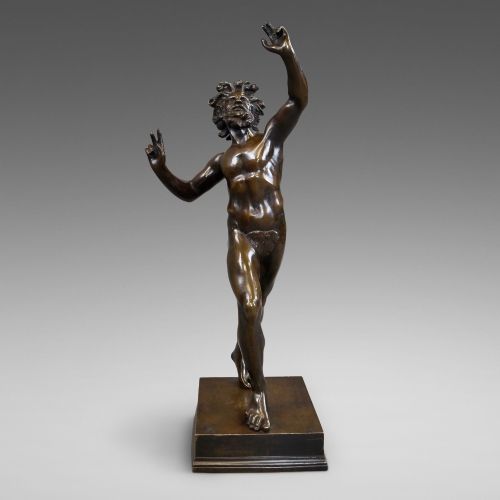
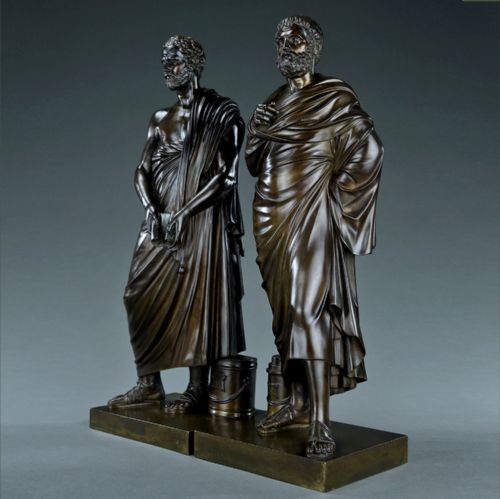
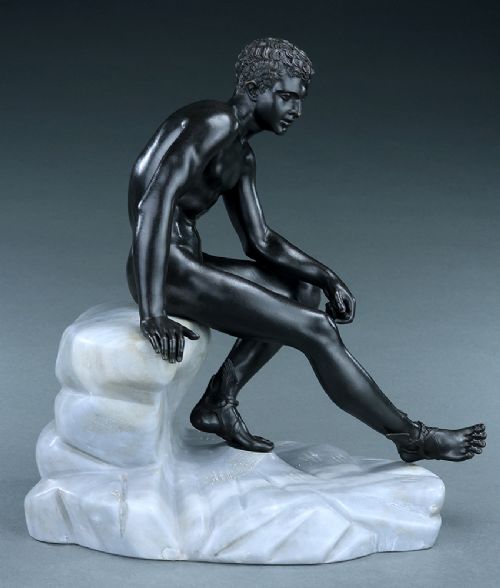
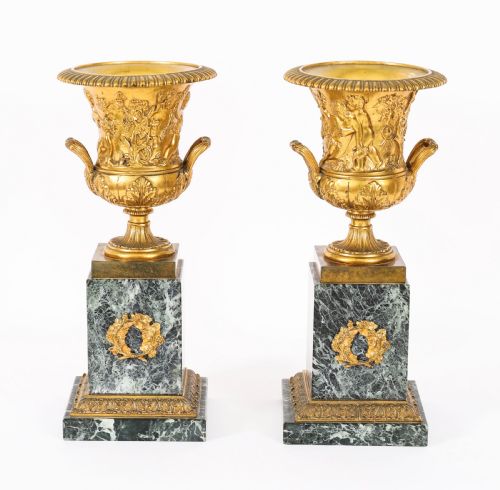
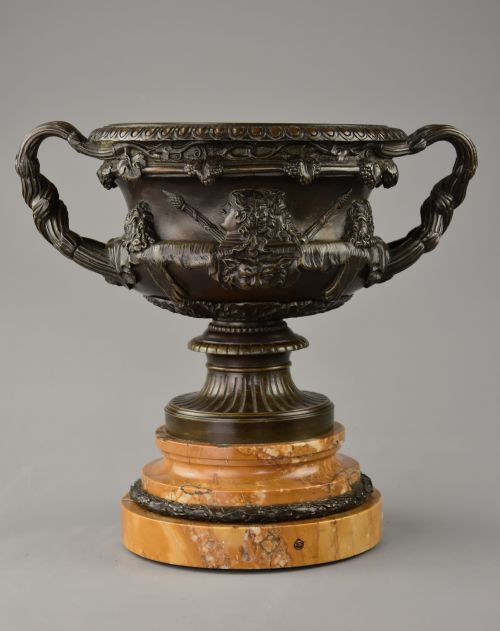
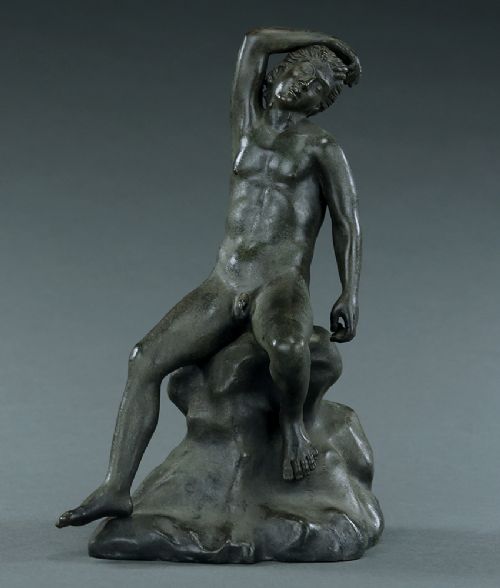
The objects on this page span figures of mythological deities, literary heroes, imperial rulers, and ancient architectural ruins such as temples and obelisks. Figures of dancing fauns, seated hermes, and reclining nudes appear alongside reductions of iconic ancient vessels like the Warwick vase and Campana urns.
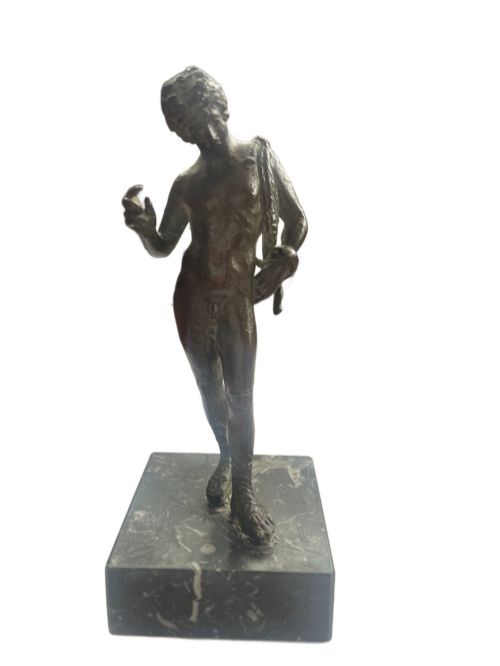
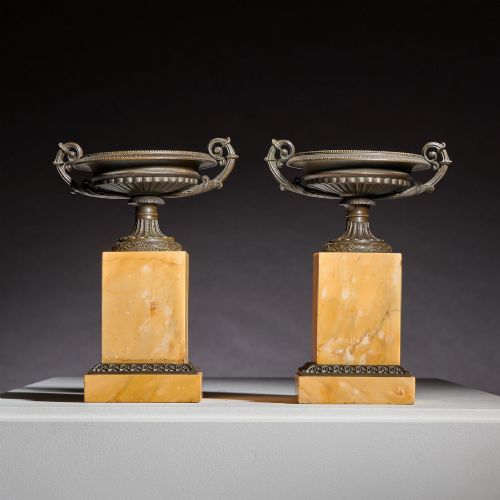
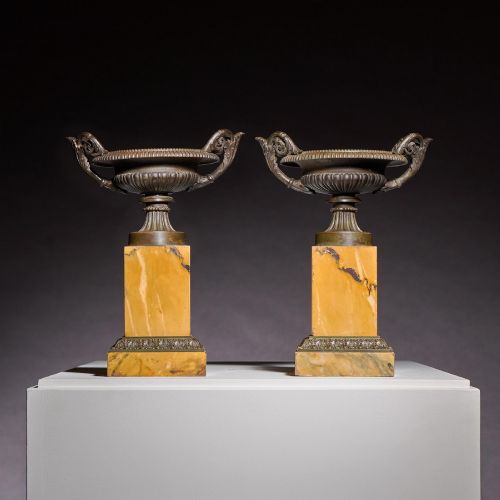
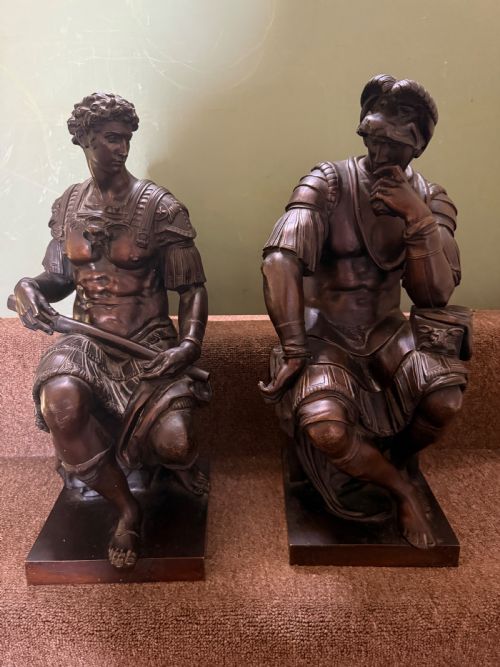
Most examples emerge from nineteenth-century Italian and French workshops, utilising patinated bronze mounted upon contrasting bases of white, grey, green, or Siena marble. These pieces served as tangible mementoes of educational travels, allowing collectors to display their classical erudition at home.
How They Were Made
Foundries typically cast these objects using the lost-wax method or sand-casting techniques, which allowed artisans to capture intricate anatomical details and sharp drapery folds from ancient prototypes. Artisans then applied chemical patination to achieve deep dark brown, green, or verdigris surface tones, occasionally highlighting specific details with gilt bronze or ormolu.
Many sculptures and architectural models were secured to heavy turned or slab plinths made of decorative stone, including fossil, green, and Siena marble. This careful union of metal and stone gave the miniature bronzes sufficient visual weight and stability to function as decorative desk objects, inkwells, or mantle ornaments.
Travellers abroad could purchase miniature bronze ruins of the Roman Forum so they could ponder the fall of empires right from their own writing desks.
What Varies in Quality
The choice and execution of the mounting materials contribute significantly to the overall presence of a piece. Finer examples rest upon well-chosen blocks of variegated marble with carefully bevelled edges, rather than plain uninspired stone bases hastily cut to size.
G Amodio Naples
The Classical Souvenir Bronze Glossary
- Patina
- A chemical surface coloration applied to bronze, ranging from deep chocolate brown to green or verdigris. This finish protects the metal and simulates the appearance of ancient buried artefacts.
- Reduction
- A scaled-down copy of a larger monumental sculpture or architectural monument. These were produced so collectors could house famous antiquities within domestic cabinets.
- Campana Urn
- A bell-shaped decorative vessel modelled after ancient marble garden vases discovered at Hadrian's Villa. They frequently appear in pairs on marble plinths.
- Lost-wax casting
- A traditional method where a model is encased in wax, melted out, and replaced with molten bronze. This technique permits intricate undercuts and delicate limbs.
- Grand Tour
- The traditional journey of education and leisure undertaken through France and Italy by wealthy young Europeans. The souvenirs acquired along this route formed the core of many private collections.
Classical Souvenir Bronze: Frequently Asked Questions
How were these bronzes used originally?
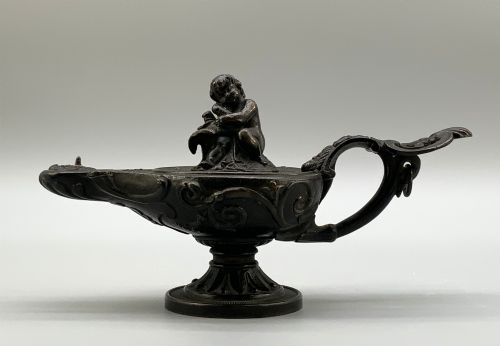
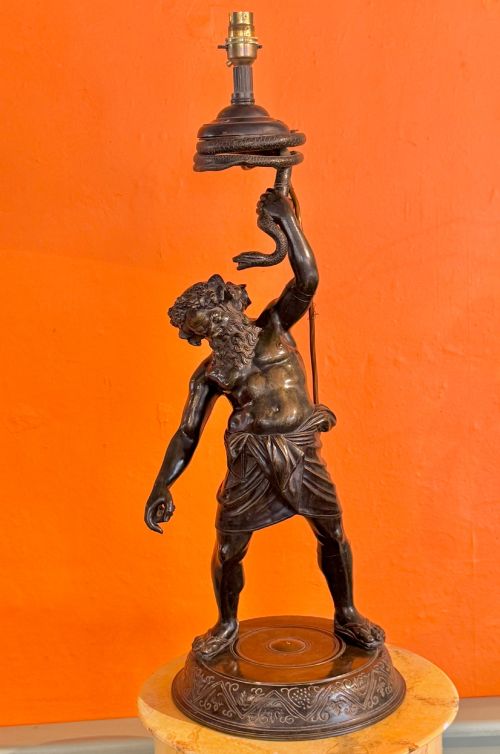
Travellers displayed these sculptures upon library tables, mantelpieces, and dedicated display cabinets in their homes. Some examples were engineered to serve practical domestic functions, such as inkwells, oil lamps, or candlesticks.
Their substantial marble bases and robust metal construction meant they could withstand handling while remaining decorative focal points in a room. They functioned as conversation pieces for educated guests.
Why are most pieces mounted on marble?
Stone plinths provided essential physical stability to relatively top-heavy metal sculptures while adding a distinct neoclassical aesthetic. Italian marbles such as Siena and green types also introduced colourful contrast to dark patinated bronze.
Furthermore, the heavy stone bases gave small cabinet bronzes a sense of architectural permanence. This pairing mirrored the materials of the ancient monuments the travellers had journeyed to see.
How can I tell the difference between periods?
Nineteenth-century pieces often exhibit rich, hand-finished chemical patination and precise chasing work that reflects the revival styles of the era. Earlier nineteenth-century examples tend to rely on specific casting methods and dense marble varieties.
Examining the underside of the bronze and the type of fixings used to secure the figure to the plinth can reveal the manufacturing period. The specific choice of subject matter also points towards the prevailing archaeological discoveries of the time.