

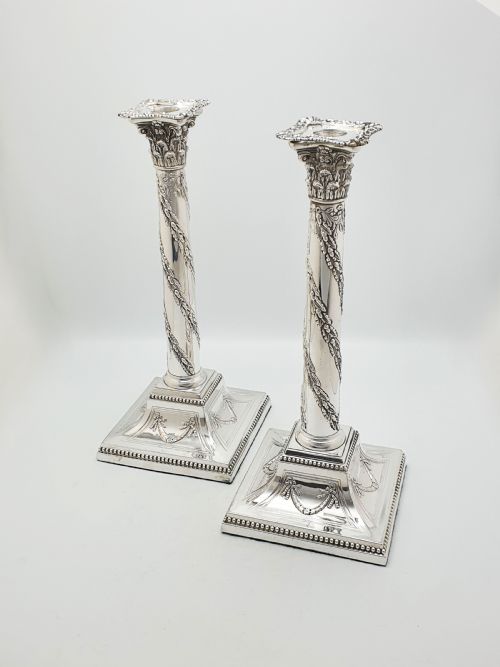


Classical Silver Candleholders
Classical silver candleholders bring formal dining and period rooms to life, offering enduring metalwork from the eighteenth to the mid-twentieth century.
Classical Silver Candleholders
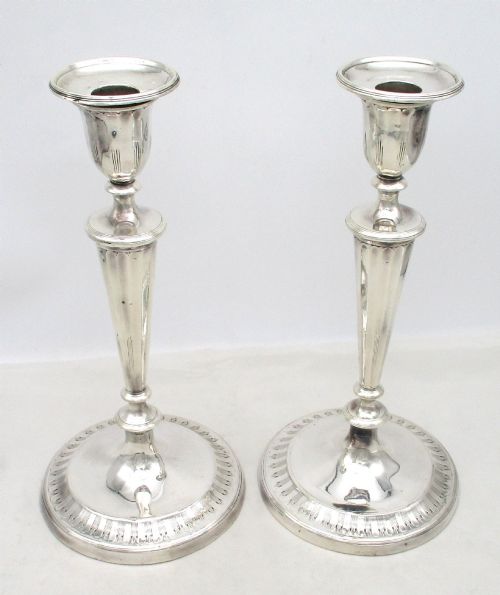
Classical silver candleholders comprise candlesticks and candelabra designed within neoclassical, Victorian, and Edwardian traditions. When searching for classical silver candleholders, buyers encounter pairs formed from solid sterling silver or silver plate over base metal.
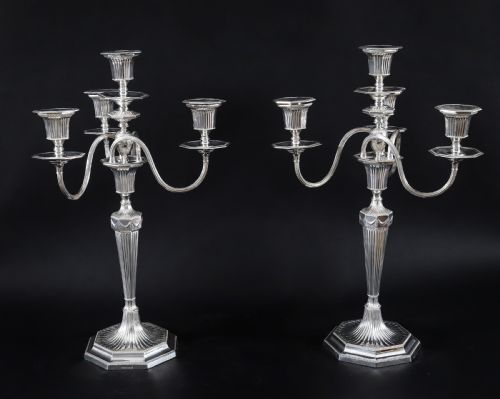
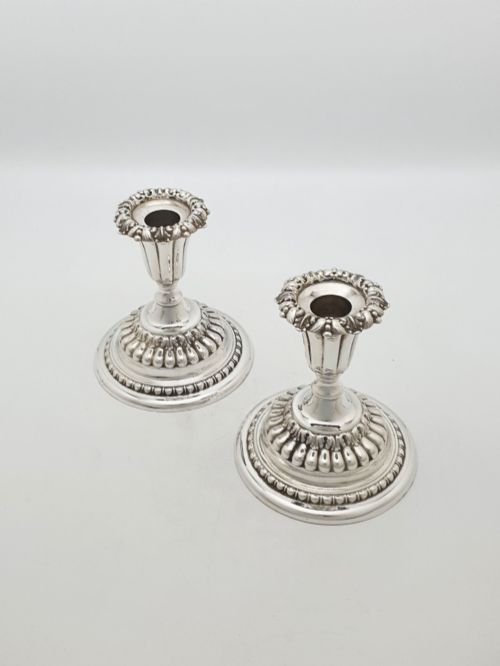
The pieces appearing here span from the eighteenth century through the late Victorian and Edwardian eras up to nineteen forty. Candlesticks predominate, alongside occasional multi-light candelabra designed for dining tables and mantlepieces.
Materials and Construction
Makers utilised sterling silver and various plated metals including nickel silver, brass, and electroplated nickel silver. Production techniques combined traditional silversmithing with nineteenth-century plating methods to achieve durable structural forms.
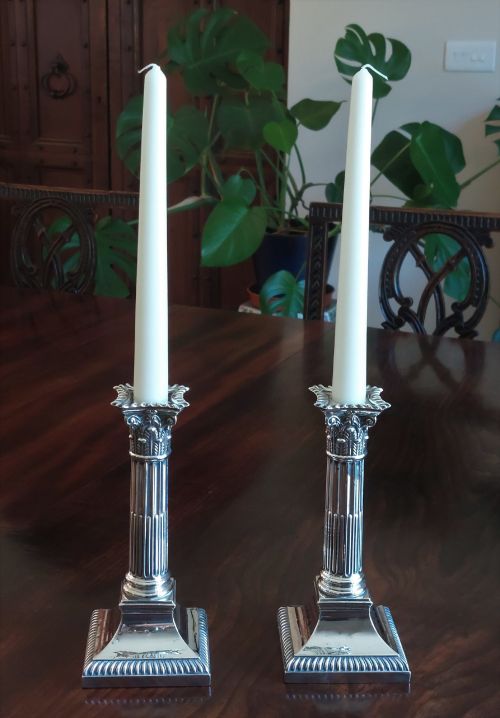
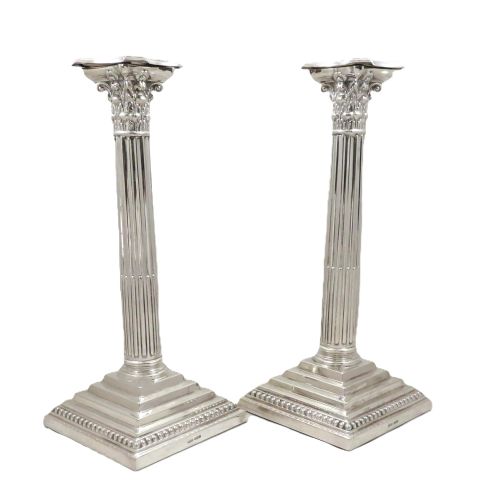
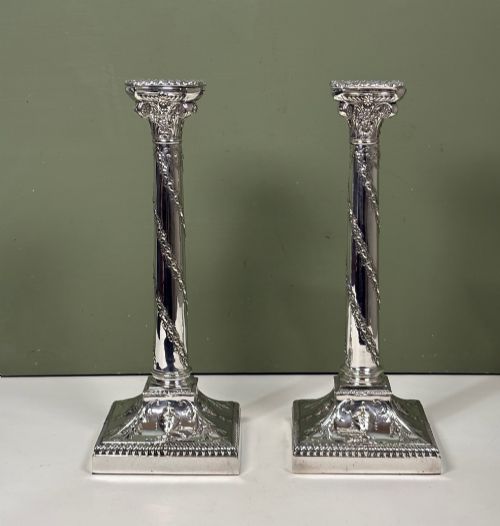
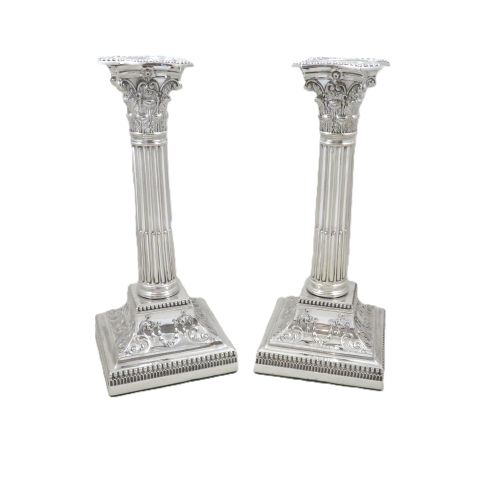
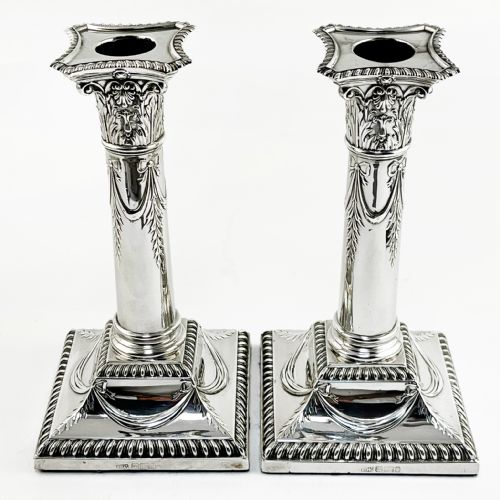
Columnar designs, notably Corinthian orders, demonstrate architectural casting methods applied to domestic metalware.
Listings span the eighteenth century, Victorian, Edwardian, and mid-twentieth century periods in sterling silver and silver plate.
Quality and Distinction
Quality separates through the integrity of the underlying metalwork, whether solid sterling or substantial silver plate over base metal. Crispness in classical architectural motifs, such as fluting and Corinthian capitals, distinguishes finer examples.
Maker marks and clear hallmarks provide definitive evidence of origin and metal standard, elevating pieces produced by established silversmiths.
Garrard & Co London·Hawksworth Eyre
The Classical Silver Candleholders Glossary
- Sterling silver
- A silver alloy containing 92.5 percent pure silver by mass, standard for high-quality British plate and candlesticks. It offers durability and a distinct lustre.
- Silver plate
- A layer of silver applied to a base metal core such as brass, nickel silver, or copper. This method provided accessible luxury during the nineteenth century.
- Corinthian column
- An architectural order featuring ornate capitals decorated with acanthus leaves. It is frequently adapted for the shafts of classical candlesticks.
- Hallmark
- An official stamp applied by an assay office to indicate metal purity and origin. British pieces often display date letters and maker marks.
Classical Silver Candleholders: Frequently Asked Questions
What is the difference between sterling and plated candlesticks?
Sterling silver candlesticks consist of solid silver throughout, though weighted interiors are common for stability. They carry official hallmarks indicating metal purity.
Silver plated versions feature a thin layer of silver bonded to a base metal such as brass or nickel silver. These offer the visual appeal of silver at a different tier of manufacture.
How do I date an antique candlestick?
Dating relies on British hallmarking systems found on sterling pieces, which record the assay office and year of production. Stylistic clues such as neoclassical columns or Victorian proportions also help place pieces within specific decades.
Evidence from the nineteenth and early twentieth centuries shows distinct shifts in manufacturing techniques and design revivals.
Are these candleholders suitable for daily use?
Solid silver and plated candleholders function well for dining and ambient lighting when handled with care. Standard taper candles fit standard sockets found across these historical periods.
Gentle cleaning maintains the surface without removing historical patina or thin plated layers.
What styles dominate classical candleholders?
Neoclassical and Corinthian column designs form the core aesthetic, drawing on ancient architectural forms. Victorian and Edwardian interpretations adapt these classical proportions for domestic interiors.
Pairs often feature stepped bases and formal fluting reminiscent of classical temples.