




Classical Roman Bronze Figures
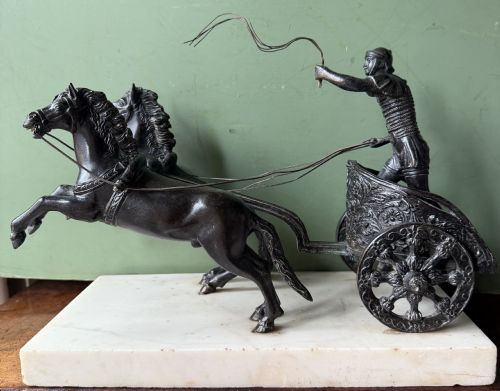
These classical roman bronze figures capture the enduring appeal of antiquity, bringing the sculpted gods, emperors, and mythical beasts of the ancient world into the nineteenth-century study and drawing room.
Classical Roman Bronze Figures
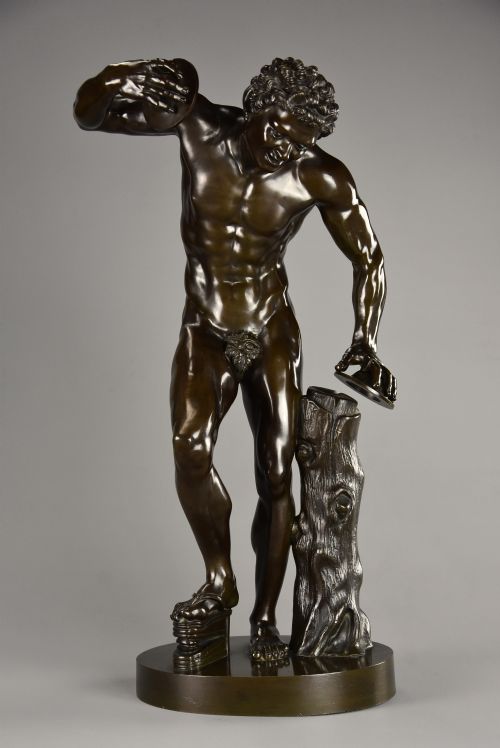
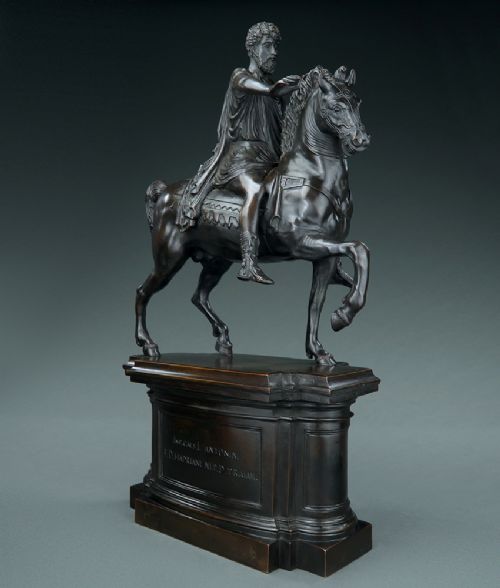
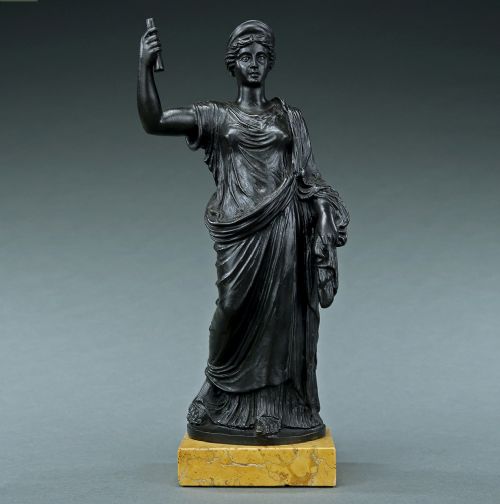
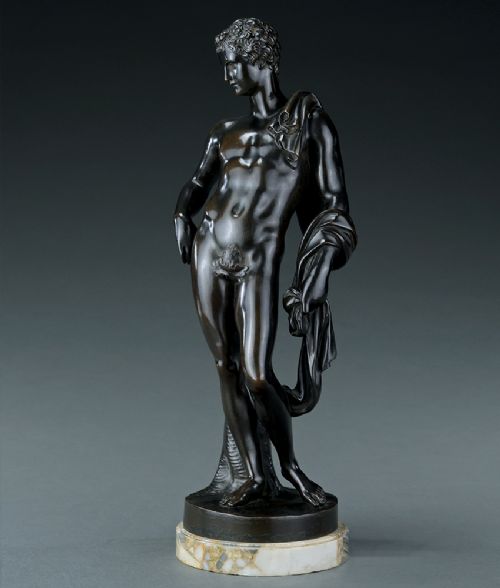
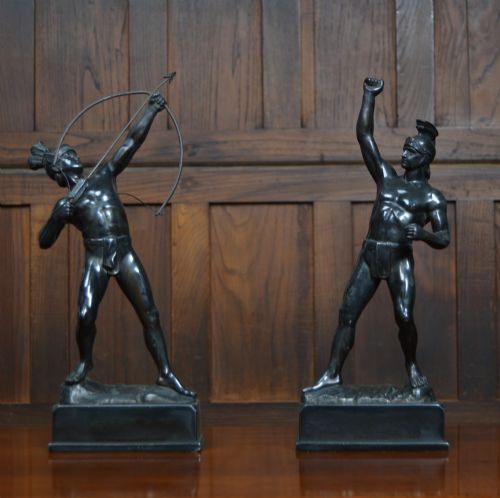
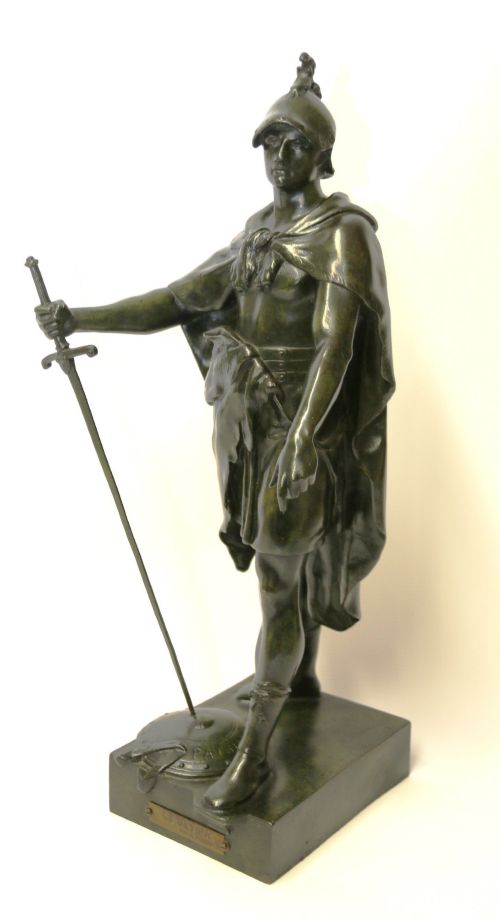
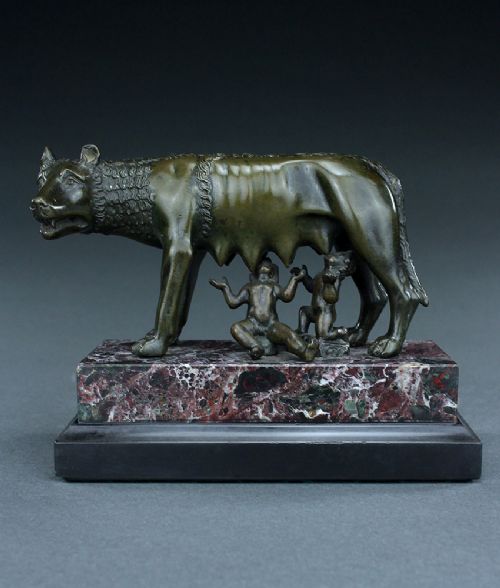
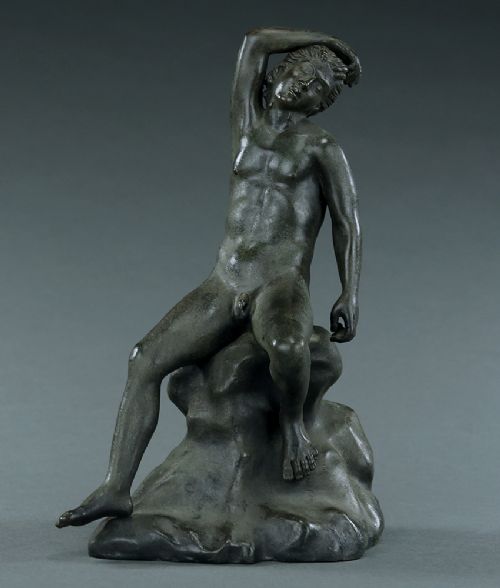
Classical roman bronze figures represent a specific nineteenth-century taste for the sculpture of antiquity, predominantly taking the form of Grand Tour souvenirs and cabinet bronzes produced across Europe. Collectors seeking classical roman bronze figures encounter portrayals of mythological deities like Bacchus and Juno, legendary figures such as the Capitoline Wolf, and portraits of Roman emperors and Caesars.
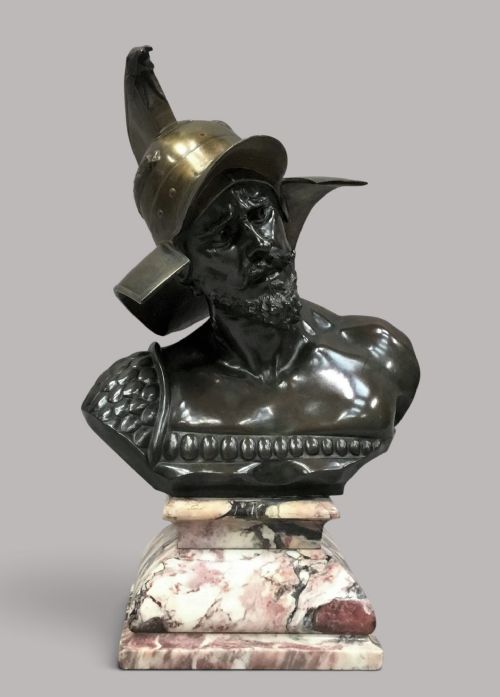
The selection ranges from reductions of famous museum sculptures, including the Dancing Faun of Pompeii and the Spinario, to portrait busts mounted on marble plinths. These pieces span the nineteenth century, with origins primarily in Italian and French workshops catering to travellers and collectors of classical culture.
Materials and Casting Techniques
Makers utilised traditional metalcasting techniques to produce these sculptures, predominantly employing bronze alongside patinated bronze, brass, and alternative metals such as spelter and zinc alloy. Many pieces feature applied chemical patination, ranging from dark brown to verdigris green, designed to emulate the aged surfaces of excavated antiquities.
Classical Roman Bronze Figures Retail Price Guide 2026
Typical asking prices for classical roman bronze figures among the pieces listed under this phrase on Sellingantiques today, from the lower quarter to the upper quarter. They describe what is for sale here now, not the wider market.
Several mischievous fauns and classical deities keep watch over nineteenth-century desks, armed with cymbals or poised mid-dance.
Factors That Distinguish Quality
The sophistication of the patination and the quality of the mounting further separate commercial souvenirs from superior artistic castings. Heavier, well-chosen marble plinths and signed works by established founders or sculptors indicate a higher grade of production.
Émile Louis Picault·Mathurin Moreau·Richard Aurili·Eden Antony Paul Noel·Zoffoli·Barbedienne
The Classical Roman Bronze Figures Glossary
- Grand Tour
- A traditional journey through Europe undertaken by upper-class young men in the eighteenth and nineteenth centuries to study the arts and antiquities of Italy. Souvenirs purchased on these travels formed the basis of many nineteenth-century cabinet collections.
- Patination
- The process of applying chemical treatments to the surface of metal to alter its colour and create an aged or protective finish. Various patinas produce rich brown, black, or verdigris green tones.
- Reduction
- A smaller scale copy of a larger, well-known monumental sculpture. Nineteenth-century founders produced these reduced versions for domestic display in libraries and studies.
- Cachepot
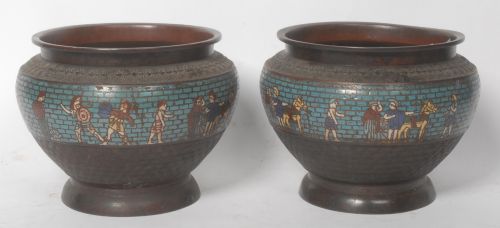
- An ornamental pot used to hold a flowerpot, occasionally adapted with classical motifs. Examples sometimes combine traditional bronze casting with colourful enamel decoration.
- Plinth
- A heavy rectangular or cylindrical base of stone or marble supporting a statue or bust. These bases elevate the sculpture and provide stability.
Classical Roman Bronze Figures: Frequently Asked Questions
What are grand tour bronzes?
Grand tour bronzes are small-scale nineteenth-century souvenir sculptures modelled after famous classical antiquities in Italian museums and archaeological sites. Travellers purchased them as motes of their cultural education abroad.
These pieces brought classical mythology and imperial history directly into domestic interiors, serving as decorative ornaments for desks, libraries, and drawing rooms.
What is the dancing faun of pompeii?
The Dancing Faun of Pompeii is a celebrated ancient bronze sculpture discovered during the excavation of the House of the Faun in the ruined Roman city. Its dynamic, balanced posture made it one of the most popular subjects for nineteenth-century reduction casting.
Foundry copies capture the energetic stance and distinct physiognomy of the mythical creature for collectors of classical sculpture.
Why are some figures mounted on marble?
Figures were mounted on marble or stone plinths to give the small-scale sculptures greater visual weight and stability. Coloured marbles such as Rosso Levanto enhanced the decorative appeal of cabinet bronzes.
This method of presentation mimics the monumental display of classical sculpture in galleries and museums.