





Classical River Landscape Painting
A classical river landscape painting brings tranquil water and timeless pastoral scenery into a room.
Classical River Landscape Painting
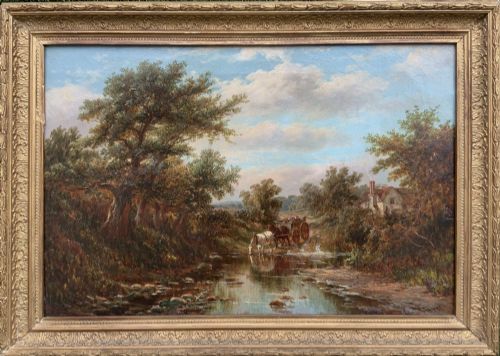
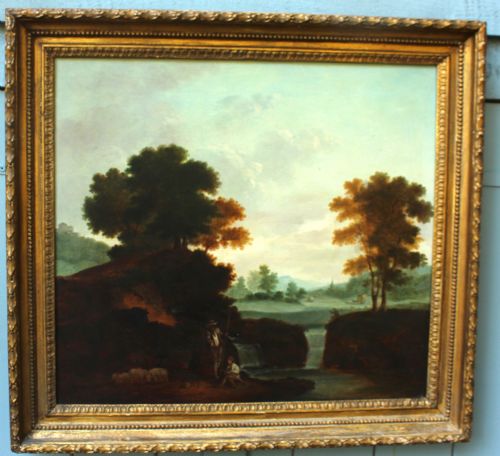
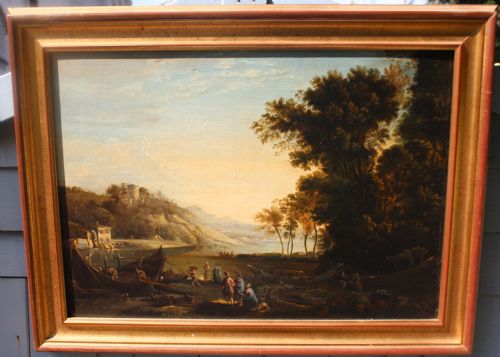
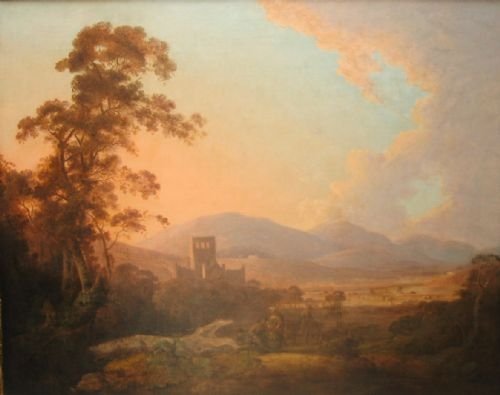
A classical river landscape painting captures serene waterways framed by pastoral figures, ancient ruins, and rolling terrain. These works draw inspiration from established European traditions, particularly Dutch Golden Age motifs and Italianate compositions.
The selections available here span multiple centuries, ranging from seventeenth-century Dutch scenes to nineteenth-century romantic interpretations and twentieth-century echoes of earlier masters. Buyers frequently encounter oil paintings on canvas or wood panels, alongside occasional framed watercolours.
Regional British and continental schools appear across the inventory, reflecting varied artistic approaches to topography and light. Works stretch from intimate panel paintings to large decorative canvases depicting specific waterways like the Thames and the Tweed.
Materials and technique
Artists built these compositions primarily using oil paint applied to stretched canvas or prepared wooden panels. The medium allowed for subtle blending of atmospheric light and deep shadow across riverbanks and mountainous horizons.
Surviving works are frequently housed in ornate gesso and giltwood frames covered in gold leaf. These decorative surrounds enhance the depth of the painted scene and protect the edges of the canvas or panel.
Listings feature works spanning from the seventeenth to the twentieth century, executed in oil and watercolour on canvas, wood, and paper.
Assessing quality and execution
Quality in these works rests upon the confidence of the brushwork and the management of atmospheric perspective. Masterful handling creates believable depth from the river in the foreground to distant hills and ruins.
The fineness of the underlying support and the integrity of the paint layer define the preservation of the piece. Superior examples maintain clear tonal relationships and original textural details without heavy modern restoration.
John Ferneley Senior·Carl Johan Fahlcrantz·Richard Wilson·Claude Lorrain·Julius Caeser Ibbetson·Canaletto
The Classical River Landscape Painting Glossary
- Oil on canvas
- Pigment mixed with drying oil applied to a woven fabric support. This combination provides a flexible and durable surface that has dominated European painting for centuries.
- Giltwood
- Timber carved and coated with gold leaf or metallic powder. This finish adds reflective warmth to traditional picture frames.
- Italianate
- A style influenced by the landscape and golden light of Italy. Artists incorporated classical ruins and pastoral figures to evoke an idealized Mediterranean atmosphere.
- Panel painting
- Art executed on a flat piece of wood rather than stretched fabric. Wooden supports were common in earlier centuries before canvas became the standard medium.
Classical River Landscape Painting: Frequently Asked Questions
How do I date an old river landscape painting?
Dating relies on examining the materials of the support, such as canvas weave or wood preparation, alongside the framing style and costume details of any figures present. Pigment analysis and stretcher construction also provide clear chronological markers.
Comparing compositional conventions to known periods like the Dutch Golden Age or nineteenth-century romanticism helps narrow the decade of creation.
What is the difference between canvas and panel works?
Canvas works utilise stretched textile fabric which accommodates larger formats and responds flexibly to environmental changes. Wooden panels offer a rigid, smooth surface favoured in earlier centuries for capturing fine detail.
Panels require careful humidity control to prevent warping, whereas canvases need attention to tension and backing protection.
Where should I hang a classical landscape?
These works suit traditional drawing rooms, studies, or dining spaces where traditional furnishings complement their palette. Placing them away from direct sunlight preserves the oil pigments and the integrity of the gilt frame.
Wall placement should account for the weight of ornate giltwood frames and ensure adequate support from picture hooks.