


Classical Revival Column
A classical revival column brings ancient architectural proportion into domestic spaces through decorative table lamps, mantel clocks and pedestals.
Classical Revival Column
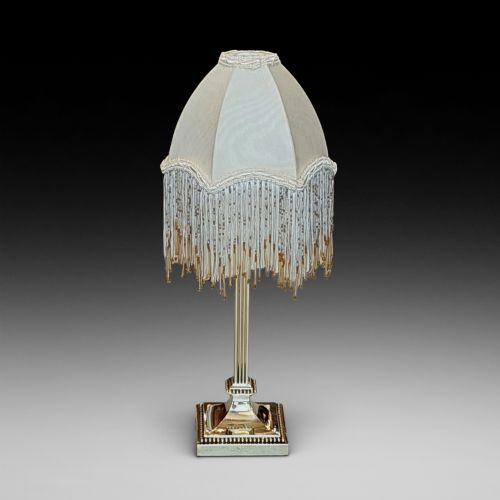
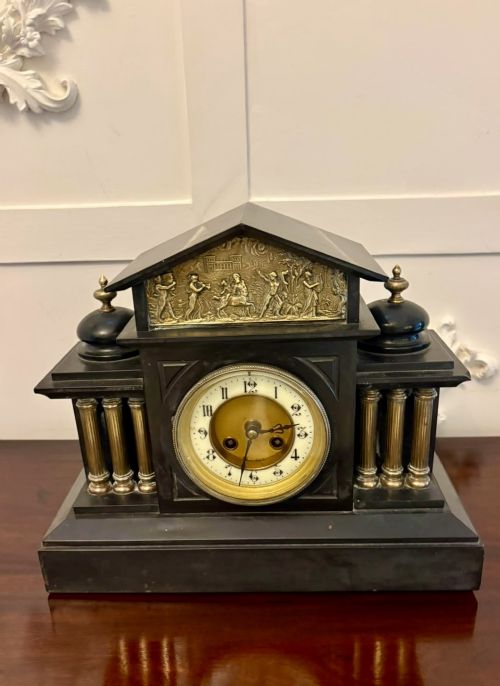
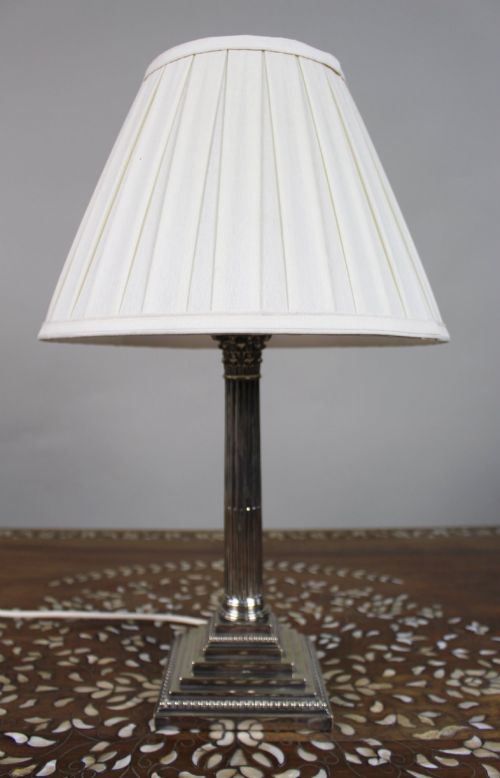
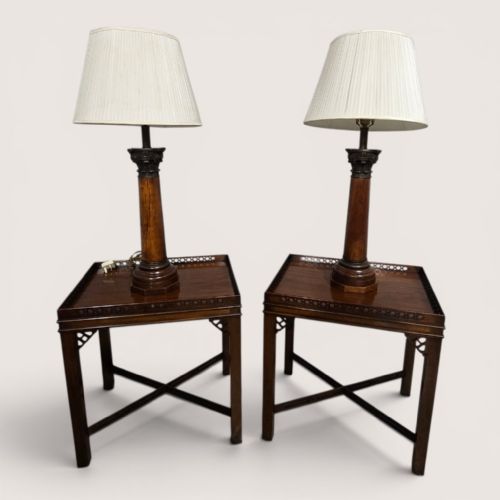
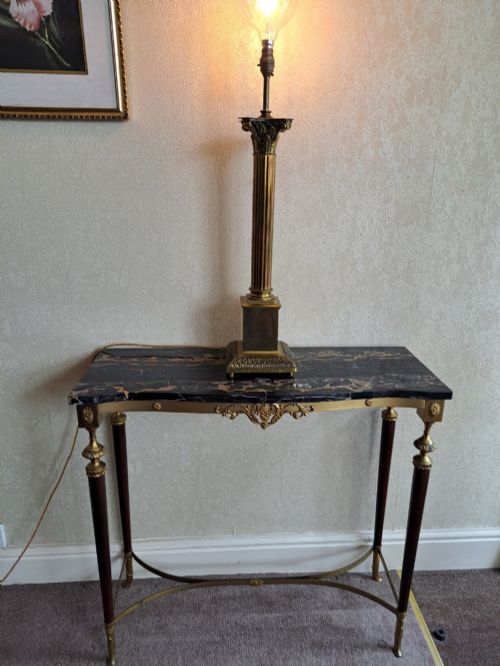
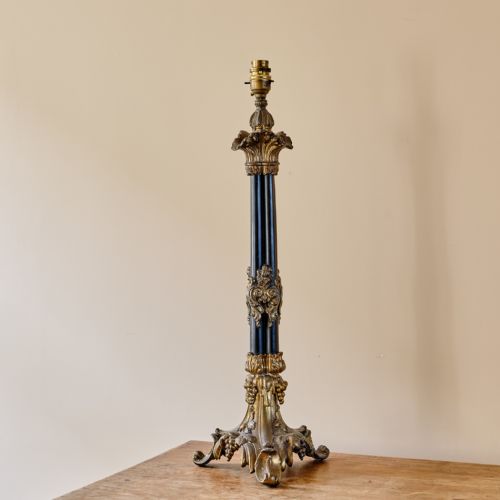
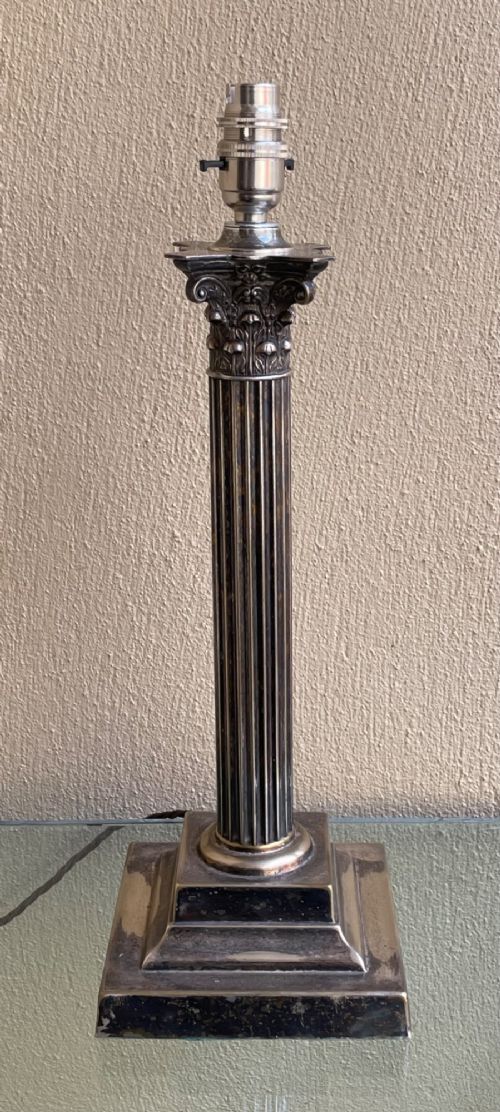
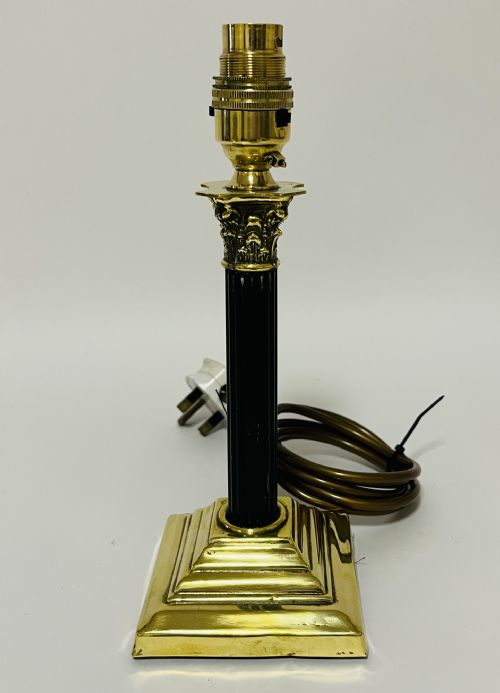
A classical revival column draws upon ancient Greek and Roman architecture, taking shape primarily as table lamps, mantel clocks, pedestals and console tables. These pieces emerge across the nineteenth and early twentieth centuries, spanning Victorian, Edwardian and later periods.
Table lamps dominate the selection, frequently adopting the Corinthian order with detailed capitals. Alongside these lighting forms, buyers encounter architectural mantel clocks, pedestals, and console tables incorporating marble, brass and silver plate.
The aesthetic bridges classical antiquity and nineteenth or twentieth-century interior design, offering structured vertical forms that suit diverse room settings.
Materials and Construction
Makers combine cast metals such as brass, ormolu and silver plate with natural stones including black marble, onyx, alabaster and stone. Wood and oak also provide solid structural foundations for larger pedestals and lamps.
Surface treatments involve meticulous plating, polishing and mounting of metal components onto dense stone bases. Wiring and clock movements integrate into these rigid architectural frames during assembly.
A French torch lamp pairs a mythical mermaid base with a rock crystal column, illuminating the room through sheer fantasy.
Standards of Execution
Quality rests upon the crispness of casting in metal capitals and the density of stone used in shafts and bases. Superior examples demonstrate precise detailing in acanthus leaves and fluting rather than softened or mass-produced contours.
The integration of materials dictates overall merit, where heavy metals, genuine marble or alabaster, and robust internal movements distinguish finer items from lighter, simpler productions.
Philippes Paris·Harrison Brothers and Howson
The Classical Revival Column Glossary
- Corinthian column
- An architectural support featuring an ornate capital decorated with rows of acanthus leaves. This order appears frequently on nineteenth-century table lamps.
- Ormolu
- Gilded bronze or brass applied to decorative objects and clock mounts. It provides a bright metallic contrast against dark marble or onyx.
- Architectural salvage
- Elements rescued from older buildings and repurposed for interior display. These items retain historical construction methods and weathered finishes.
- Plinth
- A heavy rectangular or square block forming the base of a column or pedestal. It grounds the vertical shaft and provides stability.
Classical Revival Column: Frequently Asked Questions
How are column lamps wired?
Column lamps adapt to modern electrical standards by running internal wiring through the central shaft of the column.
Professional electricians often handle rewiring to preserve the structural integrity of antique metal and stone bodies.
Where do these columns fit?
Table lamps sit comfortably on sideboards, desks and mantelpieces where height adds vertical balance.
Floor-standing pedestals and console tables anchor hallways, corners and large reception rooms.
How do I date these columns?
Dating relies on material combinations, manufacturing marks, and stylistic indicators associated with Victorian and Edwardian periods.
Clock movements and metal plating techniques also offer clues to the exact decade of production.
Are marble columns heavy?
Natural stone components make these pieces substantially heavy and sturdy in construction.
Placement requires stable surfaces capable of supporting dense marble, alabaster or slate.