




Classical Portraiture Fine Art
Classical portraiture fine art brings centuries of painted likenesses into a room, offering the chance to live with faces recorded in oil on canvas.
Classical Portraiture Fine Art
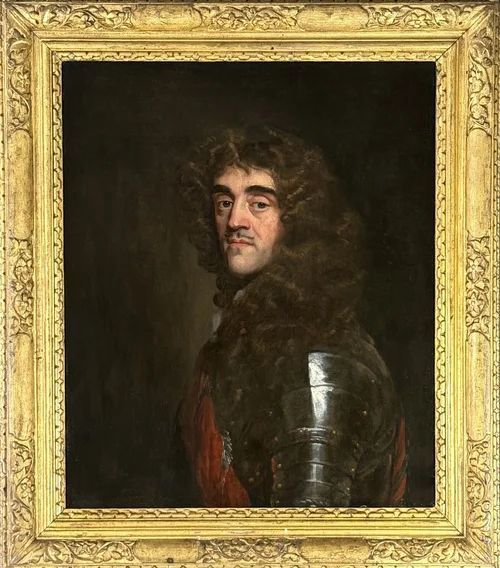
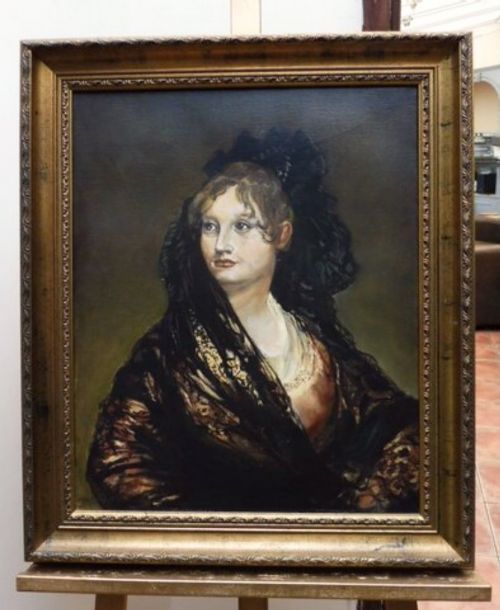
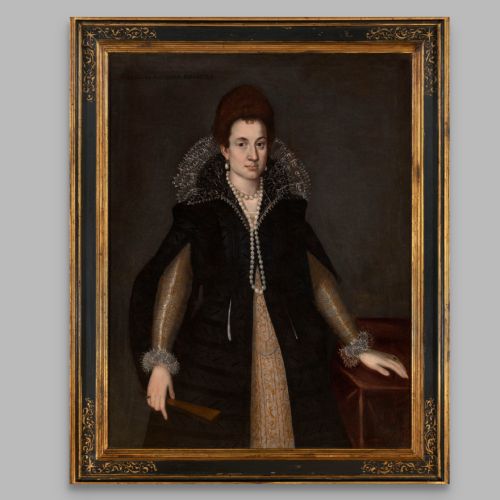
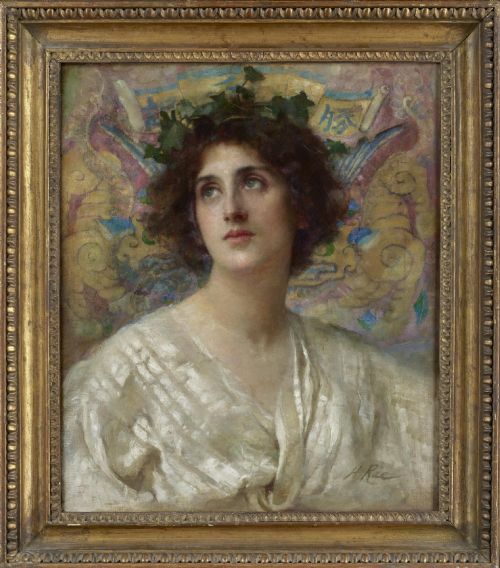
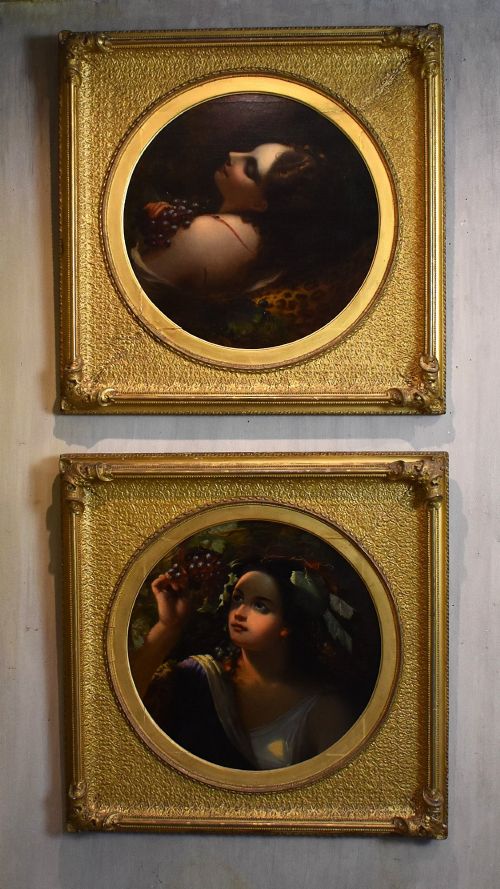
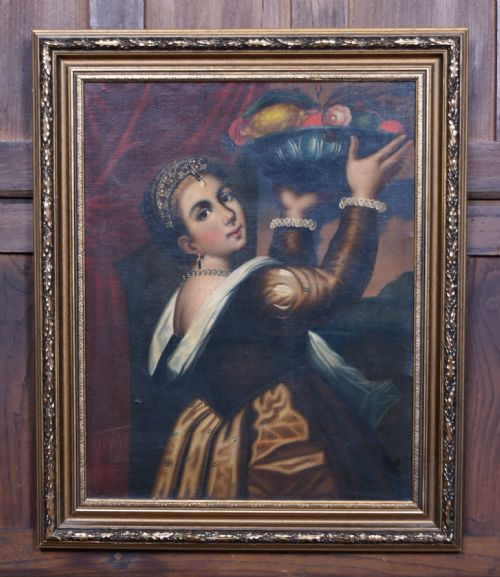
Classical portraiture fine art encompasses oil paintings and framed art produced across the seventeenth, eighteenth, and nineteenth centuries, alongside mid-twentieth century studies after earlier masters. Buyers searching for classical portraiture fine art look for historical depth, individual character studies, and formal compositions executed in oil paint upon canvas.
The pieces on this page span the 17th Century, 18th Century, 19th Century, Victorian period, and 1960. Subject matter ranges from named aristocrats and military figures to young girls with pets and romantic studies by European and Italian schools.
Most encounters involve traditional oil paintings housed in giltwood or gilt wood frames. These works reflect stylistic shifts from Baroque intensity and Rococo grace through to Victorian classicism and Spanish romanticism.
Materials and technique
These works rely primarily on oil paint applied to canvas supports, allowing artists to build rich layers of colour, shadow, and detail. The chemical properties of oil medium enabled painters to achieve subtle gradations of skin tone and deep, luminous drapery.
Frames are constructed from wood and finished with gold leaf, creating heavy giltwood and gilt wood surrounds that complement the formality of the painted subjects. The combination of canvas, oil paint, and gilded wooden framing defines the physical substance of these pieces.
Listings feature works from the 17th Century, 18th Century, 19th Century, Victorian, and 1960 periods, executed in oil on canvas.
Markers of quality
Quality rests in the handling of the subject's anatomy, the psychological depth captured in the expression, and the confidence of the brushwork. Works by named portraitists or skilled followers demonstrate a superior command of light and shadow compared to anonymous studio copies.
The preservation of the original oil on canvas surface and the integration of the period wooden frame significantly influence the standing of a piece. Finer examples maintain crisp detail in costume and feature without excessive later overpainting obscuring the original hand.
John Greenhill·Edward Fisher·Sir Joshua Reynolds·Francisco José de Goya y Lucientes·Pietro Fachetti·Henrietta Rae·Theodore Jensen·John Hamilton Mortimer·Christian Lindner·Thomas Gainsborough·Franz Xaver Winterhalter·John Michael Wright·George Henry Harlow
The Classical Portraiture Fine Art Glossary
- Oil on Canvas
- Pigments mixed with a drying oil applied to a stretched woven fabric support. This combination forms the primary medium for historical paintings.
- Giltwood
- Wood carved and coated with a thin layer of gold leaf or metallic powder. It provides the ornate, reflective framing typical of period portraits.
- Baroque
- An artistic style spanning the seventeenth and early eighteenth centuries characterised by drama, deep shadow, and rich movement. It informs many early portrait compositions.
- Rococo
- A decorative and fine art style of the eighteenth century known for lightness, elegance, and playful curves. Portraits from this period often display softer palettes and relaxed poses.
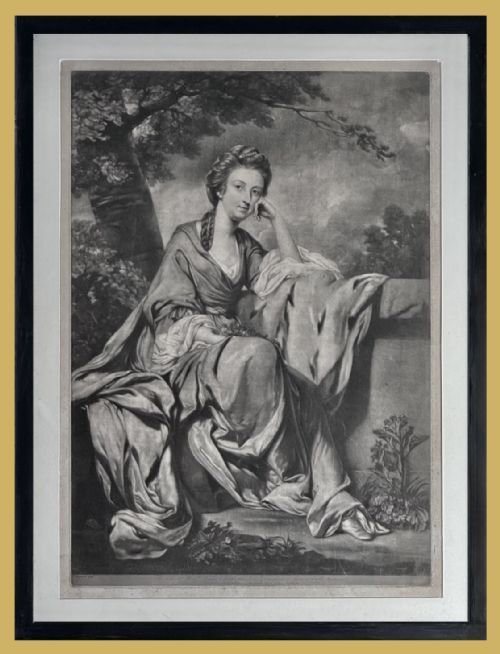
- Mezzotint
- A printmaking process of the intaglio family where tones are worked from dark to light on a roughened copper plate. It allowed tonal portraits to be reproduced faithfully in multiples.
Classical Portraiture Fine Art: Frequently Asked Questions
What periods do these paintings cover?
The selection spans from the seventeenth century through the eighteenth and nineteenth centuries, including Victorian works and mid-twentieth century adaptations.
Each period brings distinct clothing, hairstyles, and painting conventions that help date the canvas.
How should I hang an oil portrait?
These framed works require sturdy picture hooks fixed securely into solid walling to support the weight of the wood and canvas.
Keep them away from direct sunlight and damp conditions to protect the oil paint and giltwood frames.
What is the difference between a school and an individual artist?
A named artist refers to a specific painter who signed or is documented as the creator of the work.
An Italian school or European school label indicates a piece made within a regional tradition where the exact individual hand remains unidentified.
Are all these portraits painted on canvas?
The majority of the listings utilise oil paint applied directly to stretched canvas supports housed within wooden frames.
Some graphic works, such as mezzotints, utilise paper to capture printed reproductions of painted compositions.