


Classical Portrait Panel Painting
A classical portrait panel painting delivers enduring character to a room through centuries-old oil technique and intimate portraiture.
Classical Portrait Panel Painting
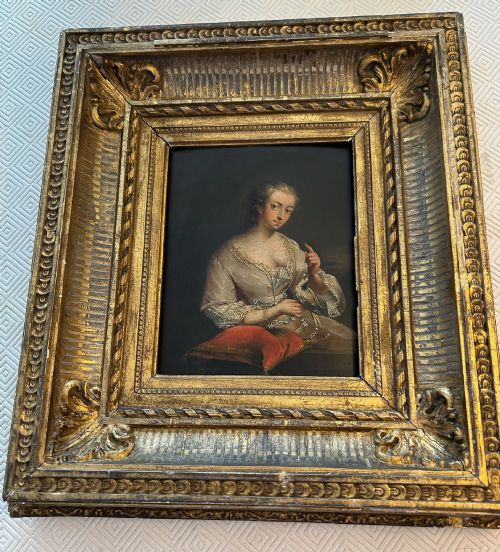
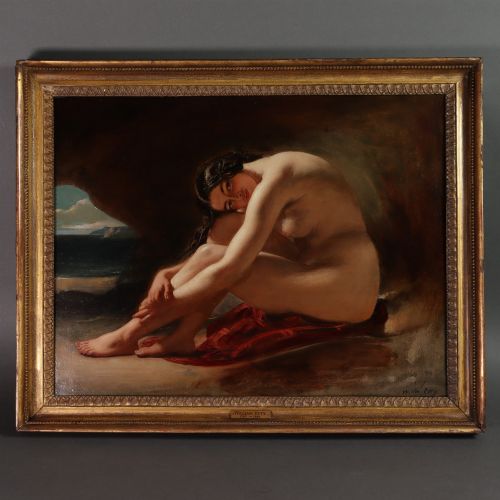
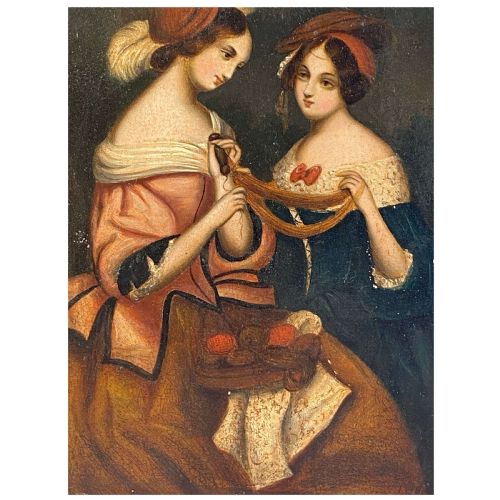
A classical portrait panel painting brings historical depth to a wall, capturing sitters ranging from seventeenth-century nobility to nineteenth-century children. These works employ oil paint upon solid supports like wood panel, copper, and zinc rather than flexible fabric.
The pieces appearing on this page span the seventeenth, eighteenth, and nineteenth centuries, alongside Regency and Victorian eras. Subjects include individual ladies, musicians, and naive depictions, often rendered in styles reflecting Baroque, Rococo, and English Naive Art influences.
Buyers encounter everything from formal follower-of-Mignard portraiture to intimate nineteenth-century depictions of young girls in architectural settings. This variety captures the shifting tastes of portraiture across multiple European schools and domestic interiors.
Materials and construction
Artists applied rich oil paint directly to rigid surfaces, utilising wood panels, copper sheets, and zinc plates to achieve smooth, durable grounds. These rigid supports prevent the cracking often seen on older stretched canvas.
Many historical examples sit within period giltwood or mahogany frames, sometimes incorporated into trumeau mirrors designed for domestic walls. The combination of oil medium and sturdy panel construction accounts for the survival of these works over hundreds of years.
The selection includes formal portraits, interior scenes with musicians, and trumeau mirrors.
Factors determining quality
The fidelity of the brushwork and the psychological depth of the sitter separate accomplished studio pieces from simpler naive or decorative works. Superior handling of light, shadow, and facial expression elevates a portrait beyond mere record.
The integrity of the underlying panel and the preservation of the original paint layer dictate the long-term merit of the piece. Works retaining their early surface and original framing elements hold greater historical interest.
Pierre Mignard·Jean-Baptiste van Loo·William Etty·Alfred John Bouchette·Francesco Renaldi·Jan Steen
The Classical Portrait Panel Painting Glossary
- Oil on panel
- A painting technique where oil colours are applied to a flat piece of wood rather than canvas. This method provides a stable ground that preserves fine detail over centuries.
- Trumeau mirror
- A decorative wall mirror featuring an integrated painting panel above the glass. These items originated in eighteenth-century interior decoration.
- Naïve art
- Artwork created by an artist without formal academic training, characterised by charming perspective and direct execution. These pieces offer a sincere alternative to court portraiture.
- Giltwood
- Wood carved and coated with a thin layer of gold leaf or gilt powder. It provides the ornate framing typical of period mirrors and classical paintings.
Classical Portrait Panel Painting: Frequently Asked Questions
How should I clean a panel painting?
Dust gently with a soft, dry brush without applying moisture or modern cleaning solutions.
Consult a professional conservator if the surface requires deeper cleaning or varnish removal.
Where should I hang these portraits?
Select an interior wall away from direct sunlight, dampness, and rapid temperature fluctuations.
Stable indoor conditions protect the wood panel and oil pigments from warping and cracking.
How do I date a panel portrait?
Examine the costume, hairstyle, and framing style of the sitter against historical records.
The preparation of the wood support and the characteristics of the oil medium also offer clues.
Are frames original to the paintings?
Some pieces retain their period giltwood or mahogany frames, while others have been reframed over time.
Check the fit and historical consistency between the panel and its outer surround.