




Musicians Oil Portrait
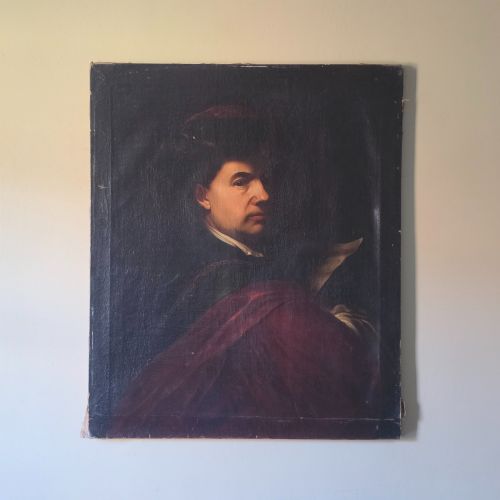
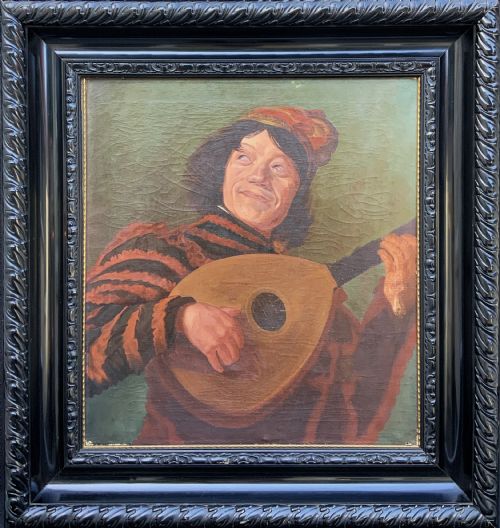
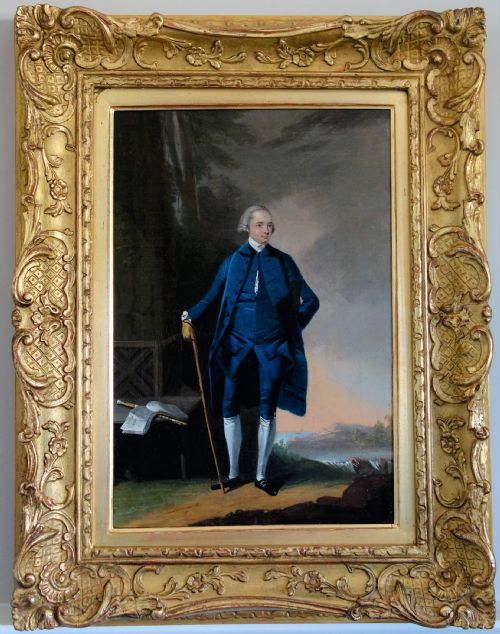
When you search for a musicians oil portrait, you are seeking a painted canvas capturing players of instruments from past centuries.
Musicians Oil Portrait
A musicians oil portrait depicts players of instruments such as the violin, lute, cello, flute, and trumpet captured on canvas or wood panel. These works range from the seventeenth century through to the twentieth century, encompassing periods like the Georgian and Victorian eras.
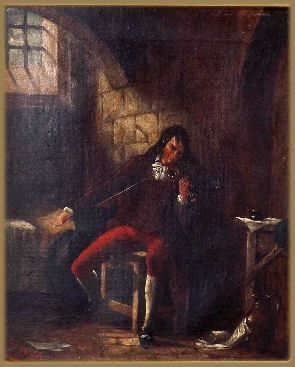
The pieces on this page lean heavily toward nineteenth-century works, alongside eighteenth-century canvases and seventeenth-century styles. You will find subjects engaged in performance, from single figures with fiddles to duets in interiors.
Mannerist interpretations and pieces after earlier masters appear frequently alongside signed works by named artists. The focus remains squarely on the musician, whether shown in military dress, a prison cell, or an interior setting.
How they were made
These works employ oil paint applied to canvas or wood panels, utilising traditional techniques handed down through generations of painters. The application of pigment builds depth in the depiction of figures, garments, and instruments.
Frames play a significant role in the presentation of these pieces, with giltwood and gilded wood surrounds providing a traditional housing for the painted surface. The combination of oil on canvas with ornate wooden framing defines the physical object.
Materials recorded across the archive include oil paint, canvas, wood panels, and giltwood frames.
What varies in quality
The ability of the artist to render the hands, instruments, and facial expressions of the musician dictates the success of the painting. Finer works capture the physical tension of playing a violin or cello with exact brushwork.
The depth of the palette and the preservation of the painted surface separate standard decorative works from accomplished portraits. Original canvases with clear attribution to recorded painters hold distinct character compared to later interpretations.
Hermann Armin Kern·Alfred John Bouchette·William Joseph Carroll·Balthasar Denner·Edward Alcock·Ferdinand Barth·Francesco Renaldi·Neville Stephen Lytton
The Musicians Oil Portrait Glossary
- Oil on canvas
- Pigment mixed with drying oil applied to stretched fabric. This medium allows for rich blending of tones and colours.
- Giltwood
- Wood carved and covered with a thin layer of gold leaf or gold paint. It provides a traditional decorative border for antique paintings.
- Manner of
- A work created in the style of a specific master but not by their hand. It indicates an artist working under the influence of an earlier tradition.
- Panel
- A flat piece of wood used as a rigid support for painting. Panel supports often precede widespread canvas usage.
- Genre painting
- Art that depicts aspects of everyday life by portraying ordinary people engaged in common activities. Musicians often feature within this tradition.
Musicians Oil Portrait: Frequently Asked Questions
How do I date a musicians oil portrait?
Dating relies upon examining the canvas preparation, stretcher construction, and the style of dress worn by the musician. Costume details often provide the clearest indication of the period.
Comparison with known works by the artist or the prevailing school of painting helps narrow down the decade of creation.
What subjects appear in these portraits?
Subjects include solo instrumentalists playing violins, flutes, and cellos, alongside duets and military musicians. Figures range from imaginary seventeenth-century characters to specific historical players.
Settings vary from simple dark interiors to theatrical or prison environments that add narrative weight to the performance.
Where should I hang an oil portrait?
These paintings suit traditional reception rooms, studies, or hallways where lighting can be controlled to prevent glare on the varnished surface. Keeping them away from direct sunlight protects the pigments.
A stable environment free from damp and extreme temperature fluctuations preserves both the canvas and the giltwood frame.
What does manner of mean?
The phrase indicates an artist working in the distinct style of an earlier master, such as David Teniers, without attempting a direct forgery. It reflects the enduring influence of established artistic traditions.
Such pieces date to later periods while adopting the aesthetic and subject matter of a previous century.
Are these works signed?
Some pieces bear artist signatures or monogram markings, while others remain attributed based on style, technique, and historical records. Attribution is often determined by expert opinion.
Unsigned works are frequently assigned to specific schools or circles of painters active during particular eras.