
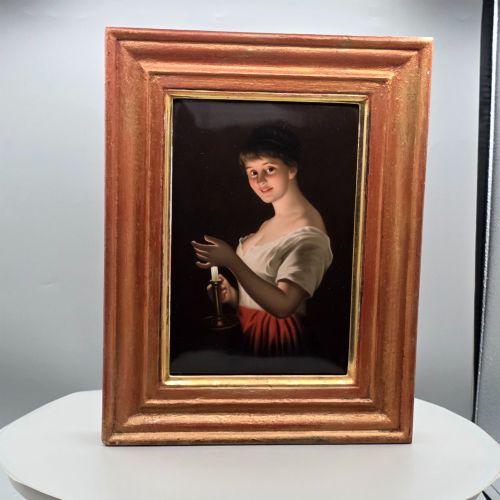
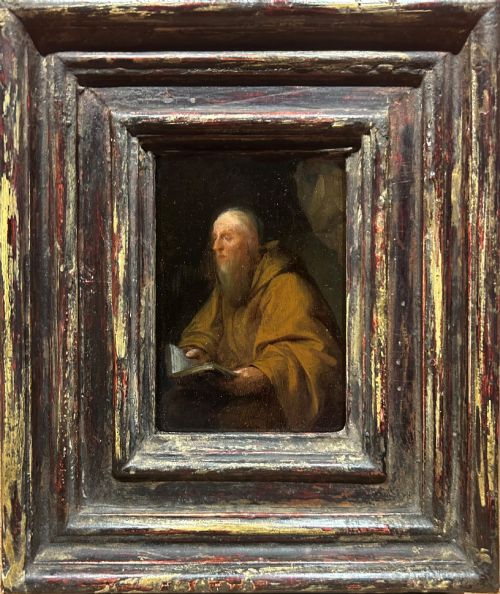
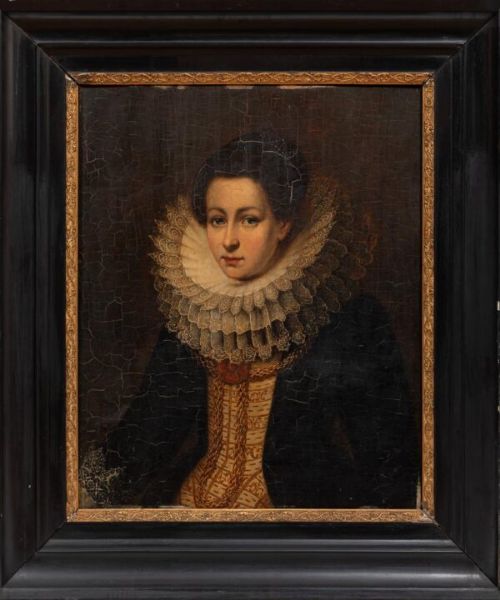
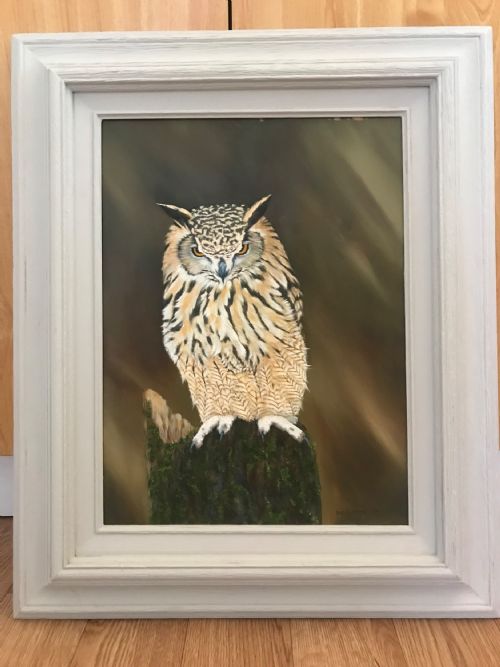
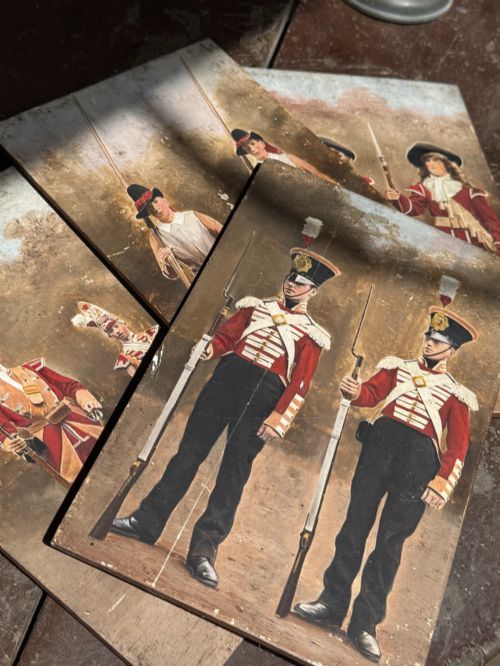
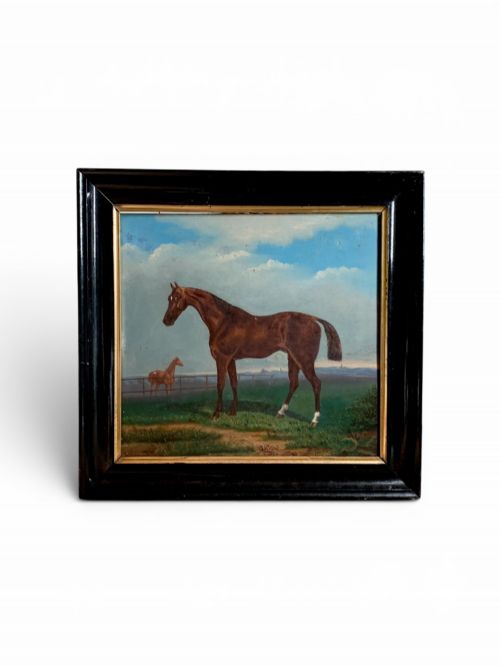

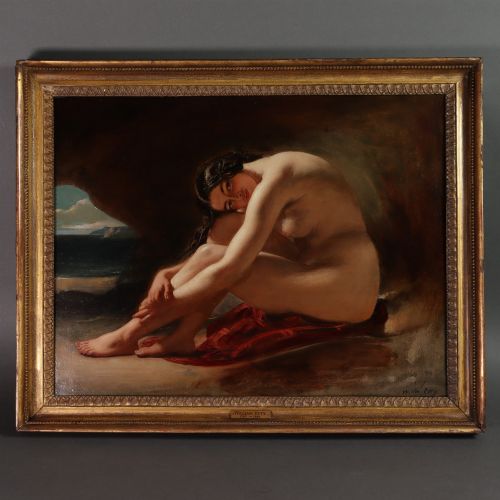


Wood Panel Portrait Painting
When you handle a wood panel portrait painting, you hold a centuries-old surface that carries pigment with remarkable stability.
Wood Panel Portrait Painting
A wood panel portrait painting offers a rigid support that artists utilised for centuries before canvas became dominant, providing a smooth ground for detailed brushwork.
You encounter these works across various historic eras, from seventeenth-century Dutch and English depictions of nobility to nineteenth-century interpretations and mid-century examples.
The subjects range from formal studies of gentlemen and ladies in ruff collars to intimate miniatures and genre scenes executed directly onto timber supports.
Materials and Construction
Artists applied oil paint directly onto prepared timber substrates, including oak, fruitwood, mahogany, and burr maple.
Panels were often carefully planed, joined, or prepared with grounds to receive fine layers of oil pigment, ensuring the paint layer bonded securely to the rigid organic support.
The listings here feature works spanning from the seventeenth century through to the mid-twentieth century, executed in oil on various wood panels.
Assessing Quality and Execution
The integrity of the wooden support itself, alongside the skill of the original preparation and the stability of the pigment layers, distinguishes fine studio works from simpler naive school examples.
William Etty·Hans Temple·Paul Leon Jazet·Sir Thomas Lawrence·Sir John Everett Millais
The Wood Panel Portrait Painting Glossary
- Wood panel
- A flat piece of timber used as a rigid painting support instead of canvas.
- Oil paint
- Pigment mixed with a drying oil, applied in layers to achieve rich colour and luminous depth.
- Ground
- The initial preparation layer applied to the wooden support to receive the paint.
- Miniature painting
- A highly detailed, small-scale portrait executed with fine brushes.
- Attributed to
- A term used when a work shows the style of a specific master but lacks definitive documentation.
Wood Panel Portrait Painting: Frequently Asked Questions
How do I clean a wood panel portrait painting?
Dust the surface gently with a soft, dry brush and avoid using any moisture or liquid cleaners on the exposed timber or paint.
Professional conservation is required for deeper cleaning to prevent damage to the historic oil layers.
Why did artists paint on wood instead of canvas?
Wood panels provided a completely rigid and smooth foundation that allowed for meticulous detail, particularly in early European portraiture.
Canvas only gained widespread popularity later due to its lighter weight and lower transport costs.
How can I tell the age of the wooden support?
Inspect the reverse of the panel for tool marks, grain patterns, historic framing methods, and signs of natural timber ageing.
Dendrochronology can sometimes date the tree ring patterns precisely when expert analysis is applied.
Where were these portraits displayed historically?
Wealthy patrons hung these panels in private studies, reception rooms, and grand galleries as statements of lineage and status.
Smaller examples were often kept in private chambers or carried as personal tokens.