


Classical Pillar Table Lamp
A classical pillar table lamp brings architectural dignity and warm illumination to a room, drawing on centuries of classical design.
Classical Pillar Table Lamp
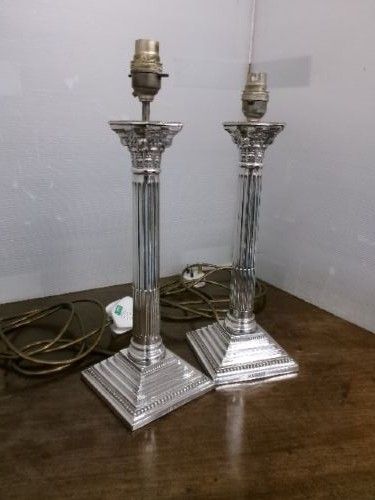
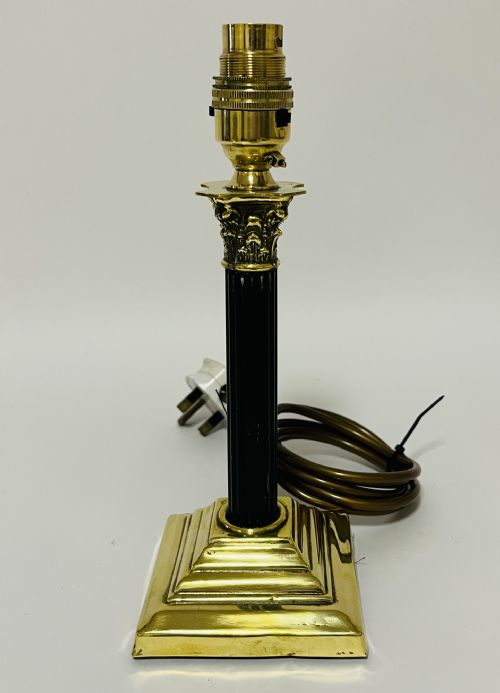
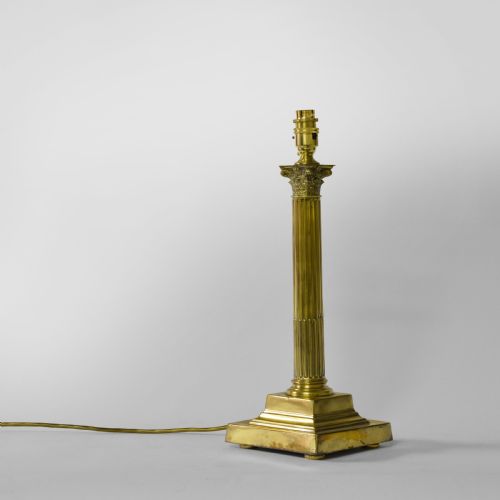
A classical pillar table lamp takes its design cues from ancient architectural orders, most frequently appearing in the form of Corinthian columns. These pieces adapt ancient stone forms into domestic lighting, using sturdy column shafts mounted on stepped bases.
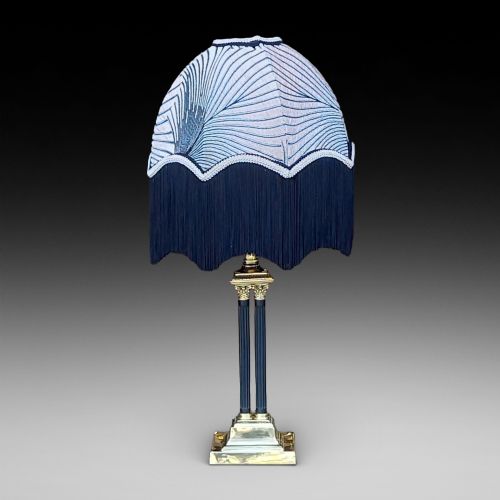
The selection on this page spans from the nineteenth century through to the 1930s, encompassing Victorian, Edwardian, and Art Deco interpretations. Buyers will encounter single lamps and matched pairs, ranging from modest boudoir heights to large commanding examples.
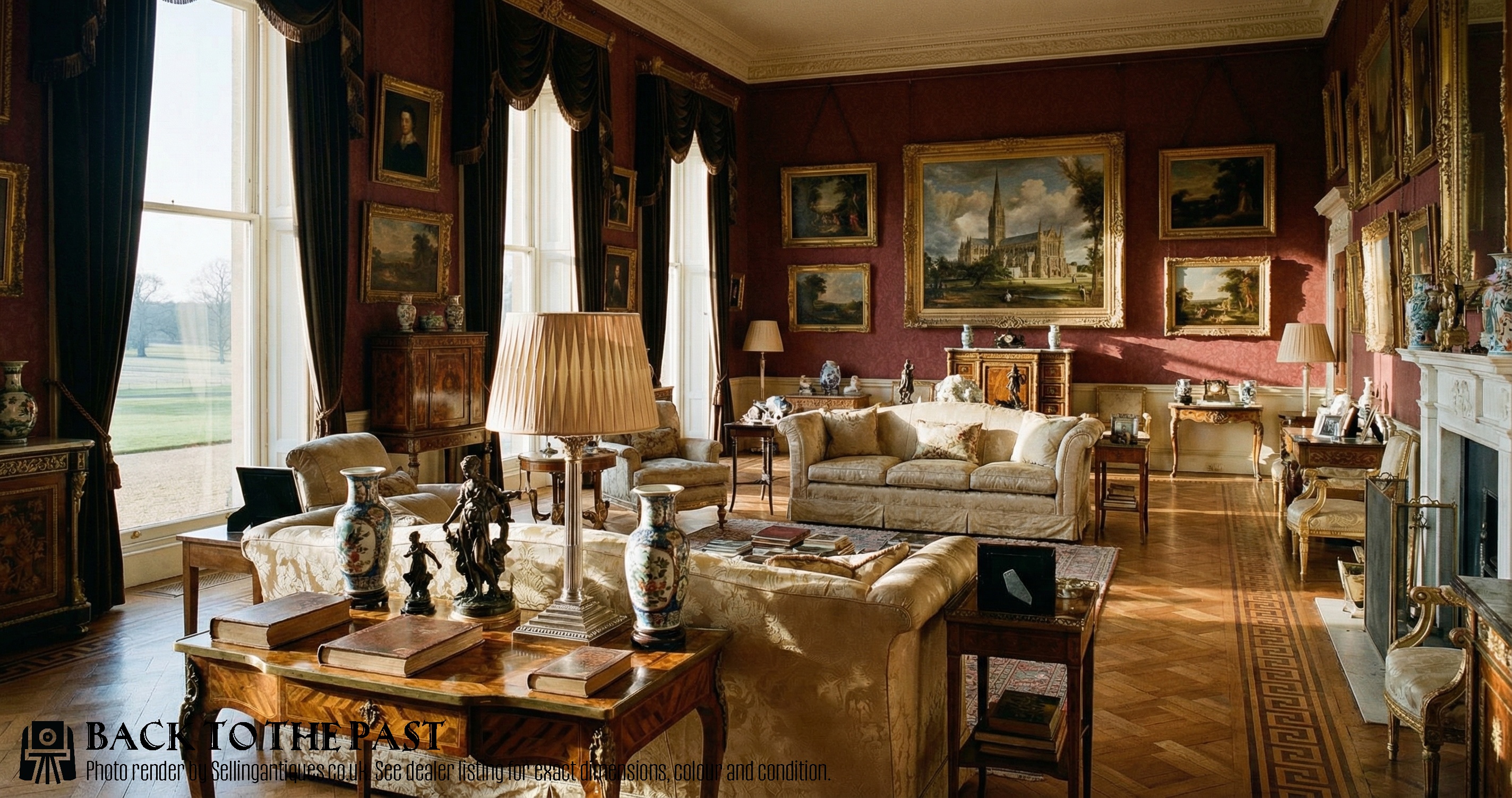
Most examples derive their aesthetic from the Neoclassical and Victorian Neoclassical styles, celebrating symmetry, fluted or reeded shafts, and ornate capital details. These lamps served as functional task or ambient lighting in formal period interiors.
How they were made
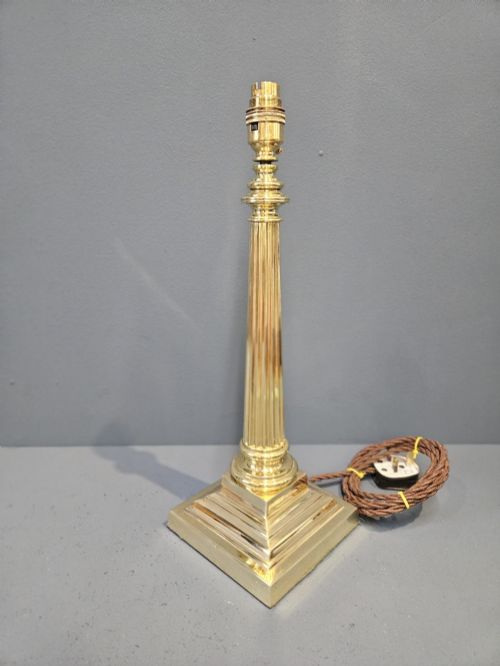
Metals dominate the construction of these lamps, with brass, bronze, silver plate, and cast brass providing the structural backbone and reflective surfaces. Artisans utilised casting and plating techniques to produce crisp capital foliage and smooth, fluted shafts.
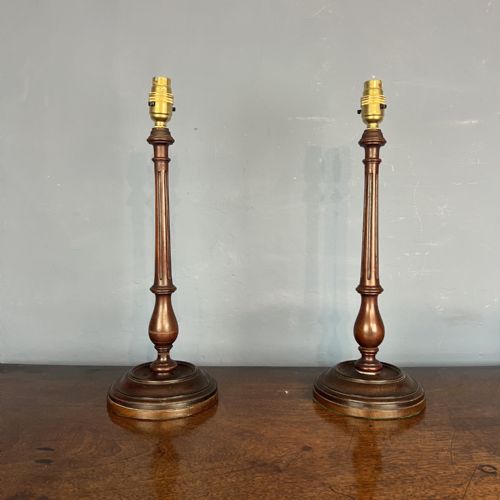
Selected pieces incorporate secondary materials such as mahogany, oak, onyx, and glass, pairing timber columns or stone plinths with metal mounts. Electrical components, including braided fabric flex, are often updated for modern use while retaining period housings.
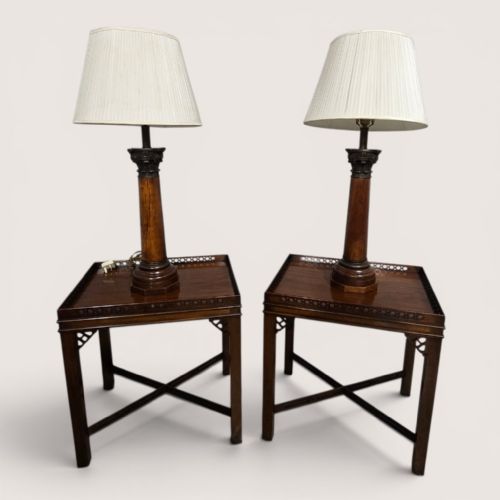
An adventurous Victorian eagle perches atop one wooden column, ready to illuminate the room.
What varies in quality
The sharpness of the casting distinguishes superior examples from simpler production, particularly in the detailed acanthus leaves and volutes of the Corinthian capitals. Crisp, deep definition in the metalwork reflects greater skill and care during original manufacture.
Substance and material choice dictate the presence of the piece, with solid cast metals, heavy silver plating, and dense hardwoods providing a reassuring weight and stable foundation. Finer proportions and well-balanced stepped bases separate exceptional studio work from standard commercial lighting.
Walter Latham & Son
The Classical Pillar Table Lamp Glossary
- Corinthian column
- A classical architectural column style distinguished by an ornate capital decorated with rows of acanthus leaves. This motif appears frequently on the capitals of the lamp shafts.
- Neoclassical
- A style of art and architecture inspired by the classical art and culture of ancient Greece and Rome. It emphasises symmetry, straight lines, and classical orders.
- Ormolu
- A method of applying finely ground, high-carat gold-mercury amalgam to an object of bronze. It provides a rich, golden finish on decorative metal mounts.
- Reeded
- A decorative surface treatment consisting of parallel, convex mouldings placed side by side. It is commonly found running vertically up the cylindrical shafts of columns.
- Capital
- The uppermost member of a column, serving as a decorative crown between the shaft and the load. On these lamps, it sits directly beneath the bulb holder.
Classical Pillar Table Lamp: Frequently Asked Questions
How do I date a classical pillar table lamp?
Dating relies on examining the materials, wiring methods, and manufacturing techniques used in the construction of the base and column. Period indicators include patinated brass, cast hallmarks, and original textile flex.
Stylistic shifts also help narrow the decade, moving from heavy Victorian brass casting toward lighter Edwardian timbers and 1930s onyx or streamlined forms.
Are these lamps sold as pairs?
Many listings feature matched pairs of columns, which were originally produced to balance sideboards, mantelpieces, or large desks in formal rooms. Single lamps also appear frequently for standalone placement on smaller tables.
Matched pairs require careful inspection of both pieces to ensure consistent height, plating wear, and capital detail.
What bulbs do these lamps take?
Modern electrical conversions typically accept standard screw or bayonet cap bulbs depending on the lampholder fitted during rewiring. It is advisable to check the internal brass fitting for compatibility with contemporary LED bulbs.
Using low-heat bulbs protects antique shades and prevents excessive warmth near the original metal mounts and wiring.
How should I clean a brass column lamp?
Dusting with a soft, dry microfiber cloth removes everyday particles without disturbing the protective surface layer. Avoid harsh chemical polishes that can strip away desirable historical patination from the brass or bronze.
Silver plated examples benefit from occasional gentle attention with a specialised non-abrasive silver cloth to maintain their lustre.