
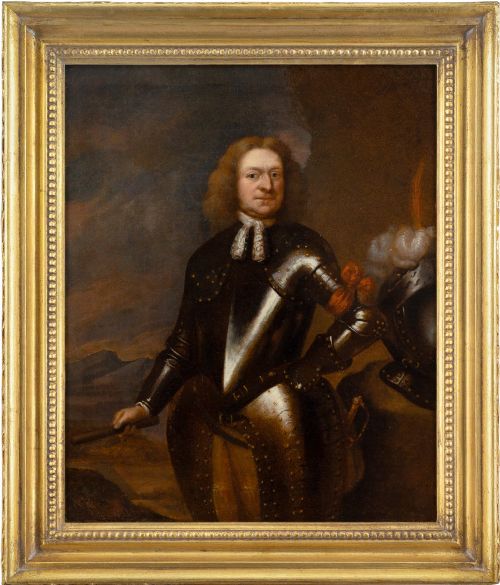


Classical Old Master Painting
When you seek a classical old master painting, you pursue centuries of European oil work depicting mythology, portraiture, and sacred scenes.
Classical Old Master Painting
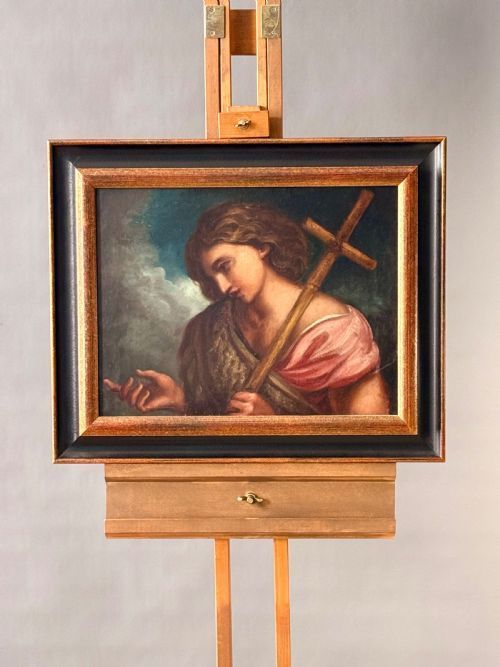
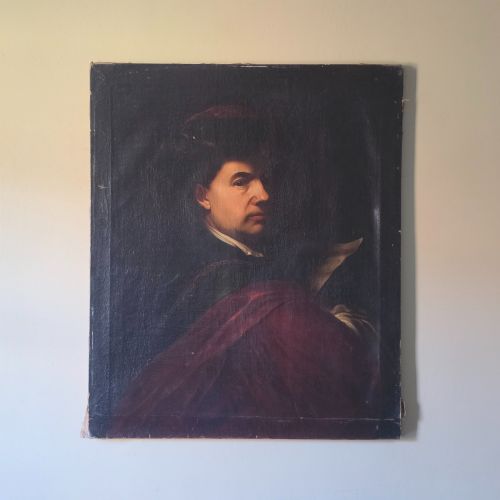
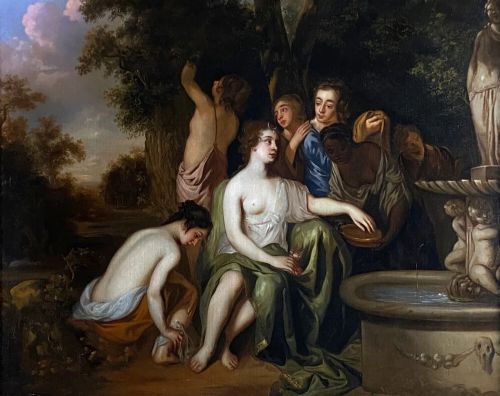
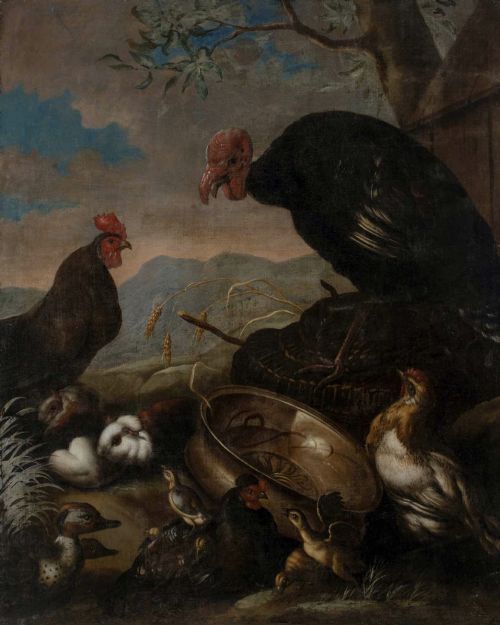
A classical old master painting brings centuries of European artistry into a room, typically spanning the sixteenth through the eighteenth centuries. These works present mythological narratives, sacred subjects, and dignified portraits executed by named masters, their circles, or later followers.
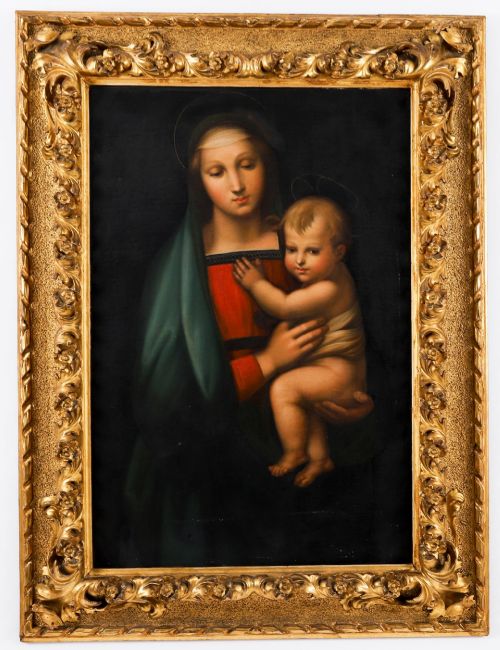
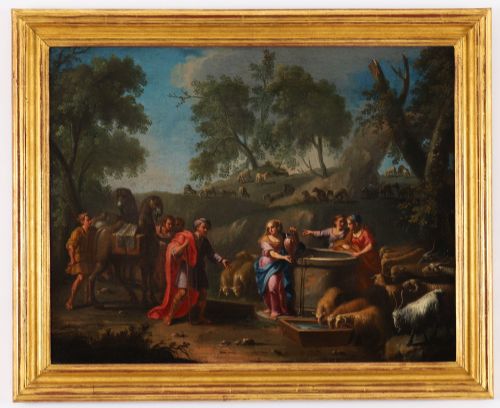
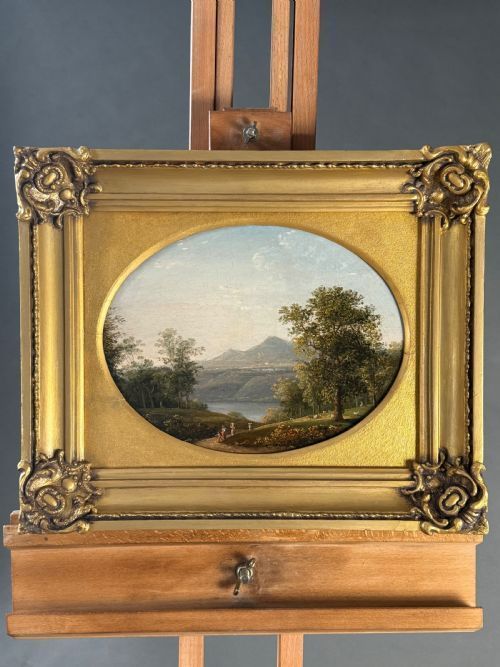
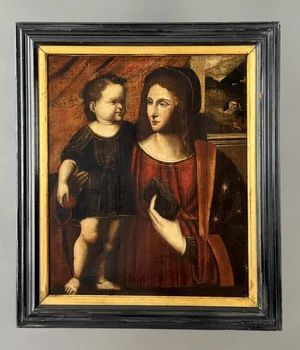
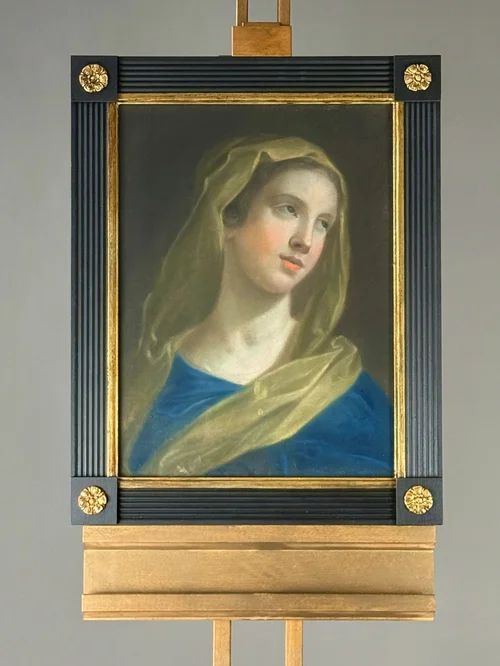
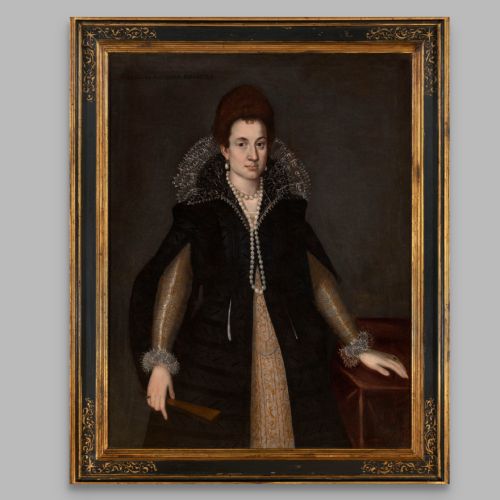
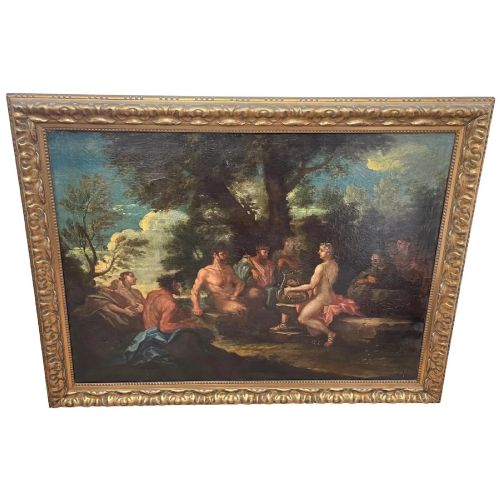
You are most likely to meet seventeenth and eighteenth-century examples on this page, often framed in period giltwood. Subjects range from the grand tales of Apollo and Diana to serene depictions of the Madonna and large landscape scenes.
The compositions reflect the dominant movements of their eras, from Italian Baroque drama to the balanced light of the Dutch Golden Age. Many pieces echo the grand designs of Raphael, Rubens, and Van Dyck through careful studio attribution or later homage.
Materials and technique
These works rely primarily upon oil paint applied to woven canvas or prepared wooden panels. Artists layered pigments to build depth in drapery, flesh tones, and shadowed backgrounds.
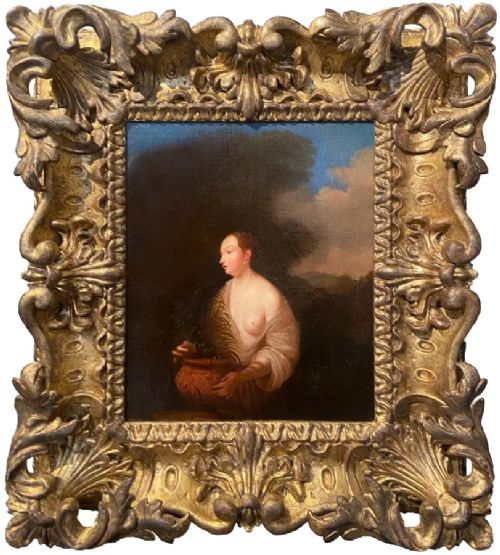
Substantial giltwood and gilded wood frames frequently enclose the canvas, sometimes retaining their original construction. Gold leaf adds a reflective border that complements the deep, oxidized tones of the aged oil paint.
Listings feature works spanning the sixteenth through the twentieth centuries, utilising oil paint, canvas, wood, and gold leaf.
Assessing quality
Quality rests upon the strength of the draftsmanship and the vitality of the brushwork within the composition. Works by the primary hand of a recorded artist or their immediate studio command greater distinction than later academic copies.
The survival of the original surface pigment and the integrity of the canvas support dictate the visual impact of the piece. Subtle modulation in light and shade reveals the painter's command over the narrative space.
Angelo Maria Crivelli·Pietro Fachetti·Bernardino Luini·Cornelis Van Poelenburgh·Pompeo Batoni·John Michael Wright
The Classical Old Master Painting Glossary
- Old Master
- A European artist of high skill working before the nineteenth century, or a painting created by such a hand. The term also applies to significant followers and studio productions from those historic periods.
- Giltwood
- Timber carved and surfaced with a thin layer of gold leaf. It provides the traditional reflective framing seen on major European paintings from the seventeenth and eighteenth centuries.
- Baroque
- An artistic style prevalent from the late sixteenth to early eighteenth century characterised by dramatic movement and deep chiaroscuro. Paintings from this tradition emphasise theatrical gestures and intense emotional states.
- Circle of
- A designation indicating the work originates from an unrecorded artist closely associated with a master's studio. These painters absorbed the direct methods and stylistic traits of the primary master.
- Provenance
- The documented history of ownership surrounding an artwork from its creation to the present day. Clear records help establish the authenticity and historical context of an old master.
Classical Old Master Painting: Frequently Asked Questions
What defines an old master painting?
An old master painting is a work of art created in Europe before the nineteenth century by a trained artist. These pieces often record historical, religious, or mythological subjects using traditional oil techniques.
The category encompasses works by major masters as well as pieces produced within their immediate circles and workshops during periods like the Renaissance and Baroque.
How should I care for an oil on canvas?
Display the painting away from direct sunlight and steady sources of artificial heat to protect the aged canvas and oil pigments. Stable indoor humidity prevents the wooden stretcher frames and canvas from warping.
Dust the surface gently with a soft, dry brush without applying pressure to the paint layers. Avoid using liquid cleaners or touching the exposed pigment directly.
What is the difference between an original and a follower's work?
An original painting comes directly from the hand of the named master or their documented workshop. Works by followers are executed by later artists painting in the distinct style of the master.
Both categories hold historical significance, but direct studio pieces usually reflect contemporary technique more closely than subsequent tributes.
How do I identify a seventeenth-century canvas?
Seventeenth-century canvases often display heavy weave patterns and are mounted on pegged wooden stretcher frames typical of the period. Pigment analysis and the style of preparation layers help confirm the age.
Historical frames made of gilded wood often match the approximate era of the painting, though many frames were replaced later in history.