







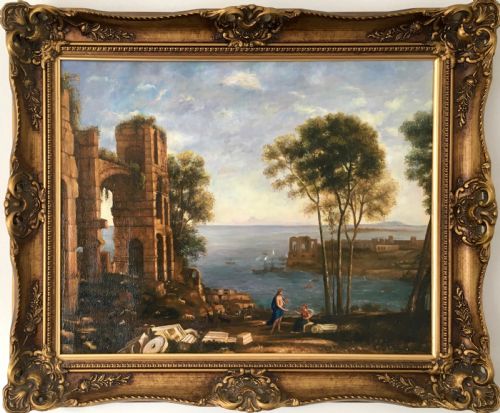
Classical Oil Painting Frame
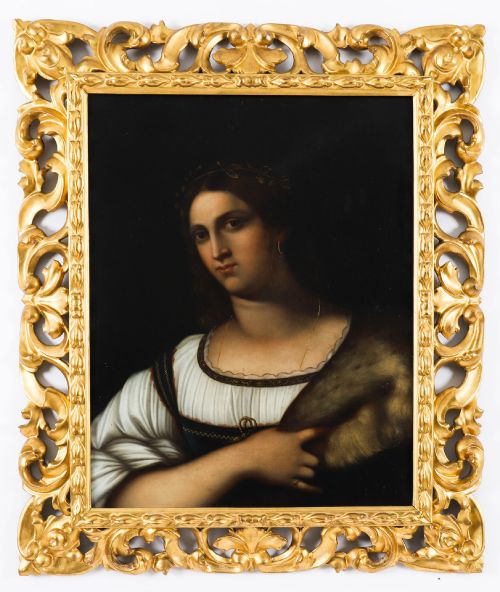
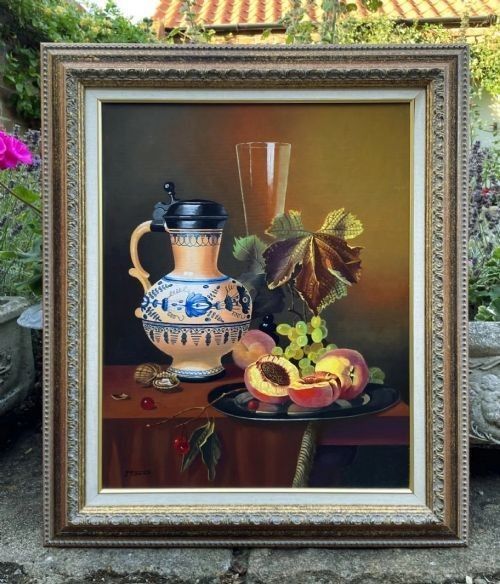
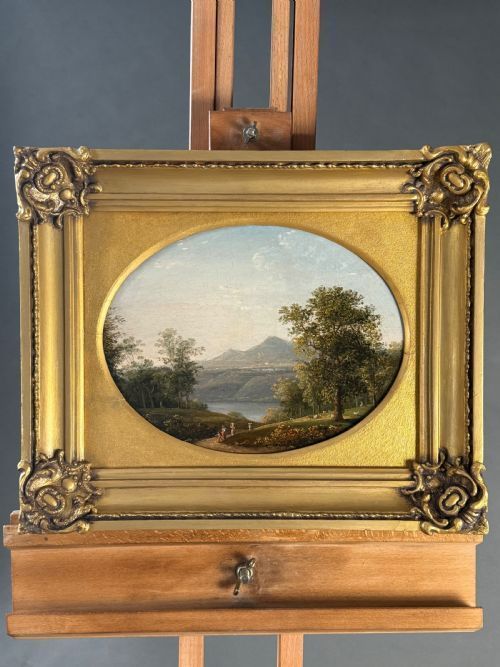
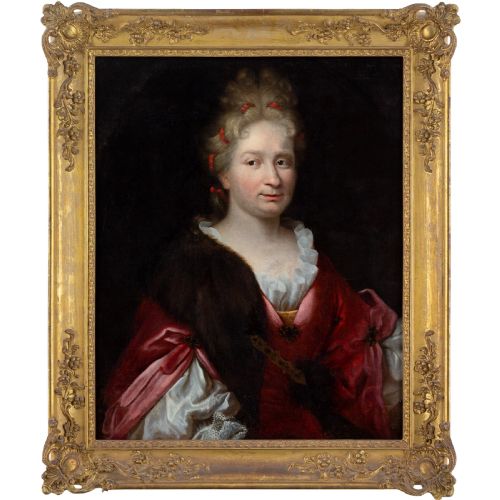
When you search for a classical oil painting frame, you are looking at elaborate surrounds designed to house historical canvases.
Classical Oil Painting Frame
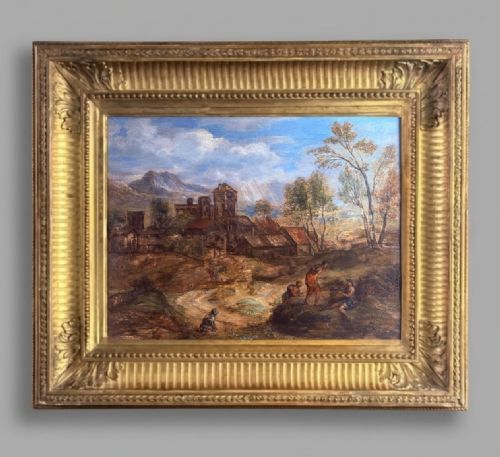
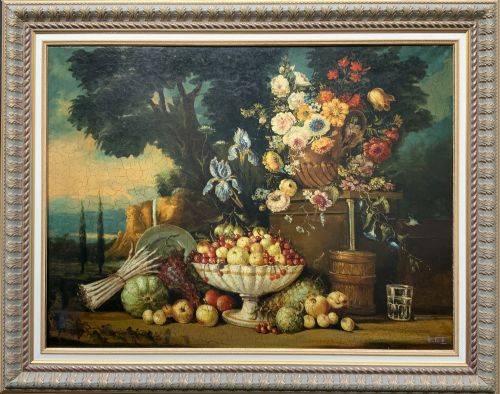
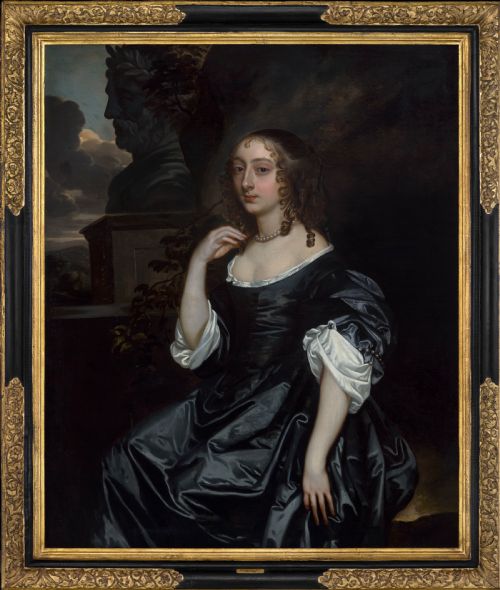
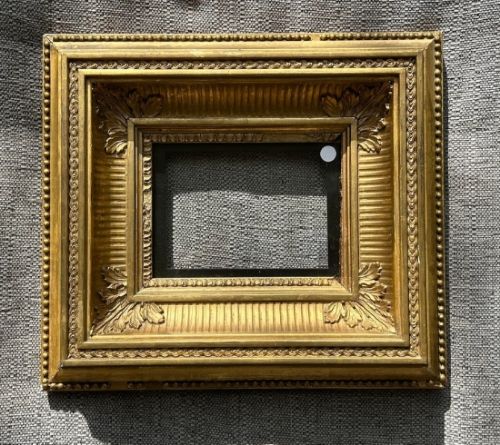
A classical oil painting frame primarily serves to enclose and elevate historical canvases, portraits, and still lifes dating from earlier centuries. You will most frequently encounter surrounds fashioned in wood, giltwood, and gesso alongside the paintings they hold.
The selection encompasses works stretching from the sixteenth century through the Georgian era and into later revivals. Many items combine traditional oil on canvas compositions with ornate period borders.
Makers and artists referenced range from seventeenth-century Dutch and Italian schools to eighteenth-century portraitists. The grouping leans heavily toward European fine art traditions and grand historical subjects.
How they were made
Wood serves as the foundational structure for these surrounds, often carved into intricate profiles and mouldings. Artisans applied layers of gesso to smooth the wooden base before final gilding.
Gold leaf and giltwood finishes provide the characteristic metallic sheen seen across the historical examples. Canvases received applications of oil paint, sometimes mounted on wooden panels rather than woven fabric.
Listings feature works spanning from the sixteenth century to the mid-twentieth century, utilising oil on canvas, wood, and gesso.
What varies in quality
The depth and intricacy of the hand-carved ornamentation dictate much of the visual weight and refinement in these objects. Deeply modelled gesso and precise leaf application distinguish superior surrounds from simpler alternatives.
The integration between the artwork and its enclosure affects overall cohesion, as period-correct pairings maintain historical consistency. Condition of the gilding and the preservation of the underlying canvas also determine the standing of each piece.
Charles Antoine Coypel·Sir Peter Lely·Pieter Borsseler·Francisco Jose de Goya·Sir Joshua Reynolds·Bartholomeus van der Helst·Pietro Fachetti·Jacob Philipp Hackert·Bernardino Luini·John Opie·Toussaint Gelton·Guillaume Courtois·Gaspar Peeter Verbruggen·Robert Byng
The Classical Oil Painting Frame Glossary
- Gesso
- A plaster-like mixture applied to wood frames to create a smooth surface for gilding. It allows artisans to carve intricate relief details before applying gold leaf.
- Giltwood
- Wood that has been coated with gold leaf or gold paint. This material defines the opulent appearance of many historical picture frames.
- Oil on Canvas
- Pigments mixed with a drying oil applied to a stretched woven fabric support. This technique dominates the historical paintings found within these decorative borders.
- Baroque
- An artistic style spanning the seventeenth and early eighteenth centuries known for drama, deep relief, and dynamic movement. Frames from this period often feature robust, sculptural ornamentation.
Classical Oil Painting Frame: Frequently Asked Questions
How do I identify the period of a frame?
Examine the complexity of the carved wooden moulding and the application method of the gesso base. Earlier examples often display hand-carved botanical motifs rather than moulded plaster.
Check the reverse side for construction clues, such as hand-cut joinery or historical joining methods. Wood shrinkage and the patina of the underlying materials also offer clues to age.
Were these frames made specifically for the paintings?
Many historical canvases were paired with surrounds created during the same era to match the artistic style. However, paintings and frames were frequently reunited later based on aesthetic compatibility.
Collectors often assess whether the dimensions of the canvas fit naturally within the rabbet of the surround. Matching the geographical school of the artwork to the frame style helps determine historical accuracy.
How should I care for a giltwood frame?
Dust the carved surfaces gently with a soft, dry brush to prevent the accumulation of particles in the recessed areas. Avoid using liquid cleaners or chemical polishes which can damage delicate gold leaf.
Maintain stable humidity levels in the room to prevent the underlying wood from warping or cracking. Sudden temperature shifts can cause the gesso and gilding layers to flake away from the substrate.
What distinguishes French Rococo from Baroque frames?
Baroque surrounds emphasise heavy symmetry, robust proportions, and powerful architectural forms. They project authority and grandeur through deep, sculptural carvings.
French Rococo designs favor asymmetry, scrolling foliage, and lighter, playful curves. The ornamentation appears more fluid and organic compared to earlier classical styles.