



Classical Oil Landscape
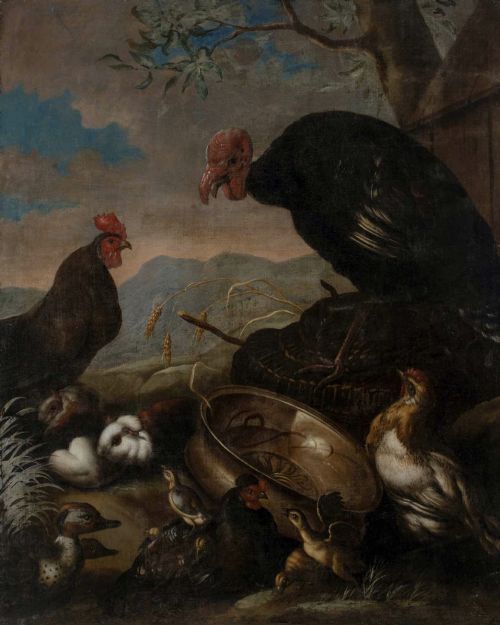
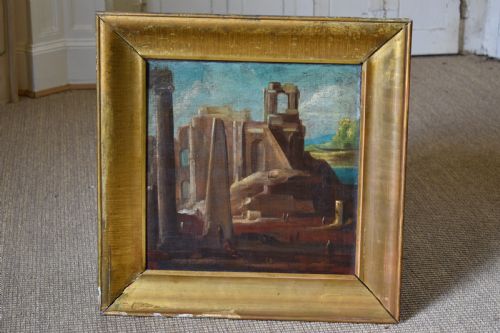
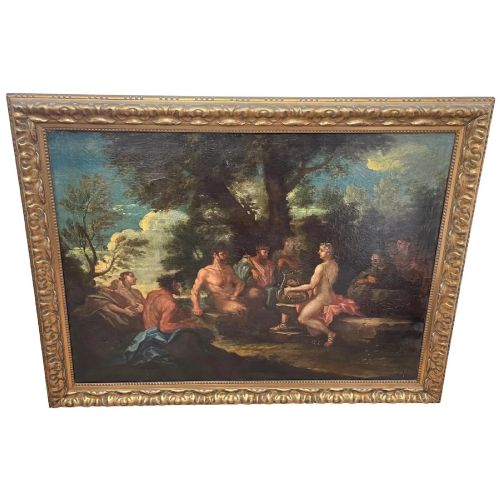
When you search for a classical oil landscape, you encounter centuries of painted vistas featuring architectural ruins, mythological figures, and pastoral serenity.
Classical Oil Landscape
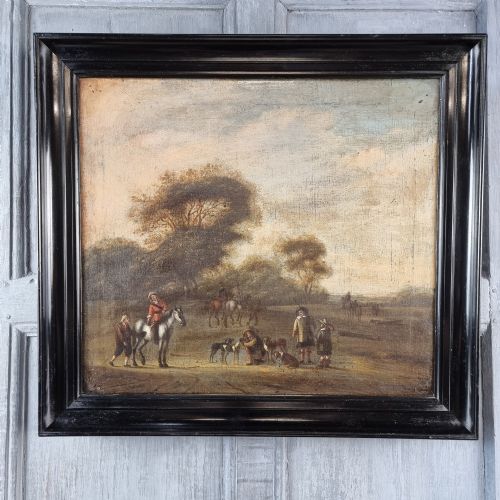
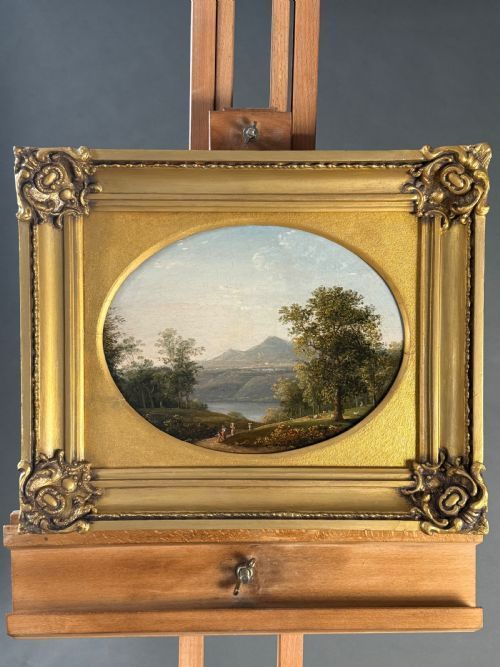
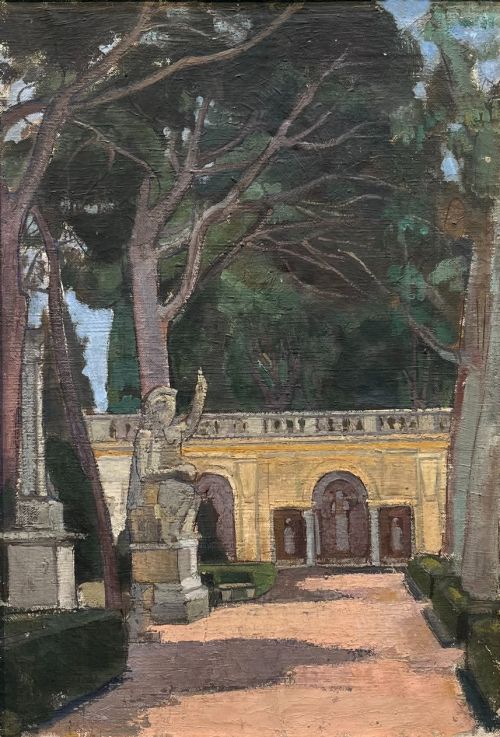
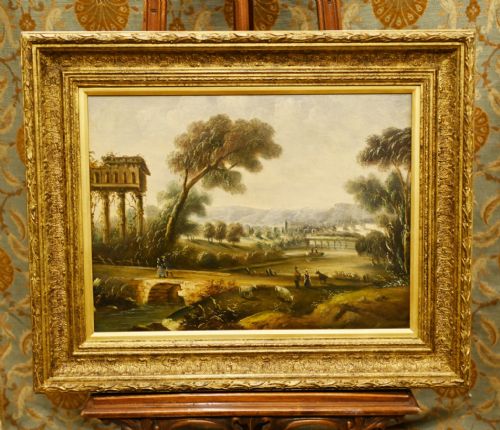
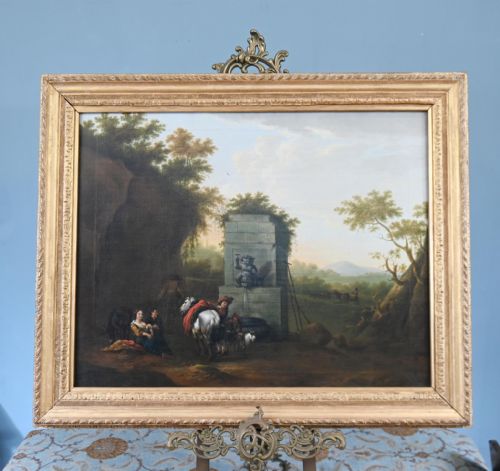
A classical oil landscape presents idealised natural scenery, frequently populated by mythological figures, peasants, or classical ruins derived from Italianate traditions.
The selections available range from seventeenth-century Dutch and Italian school compositions to eighteenth-century Grand Tour canvases and nineteenth-century romantic interpretations.
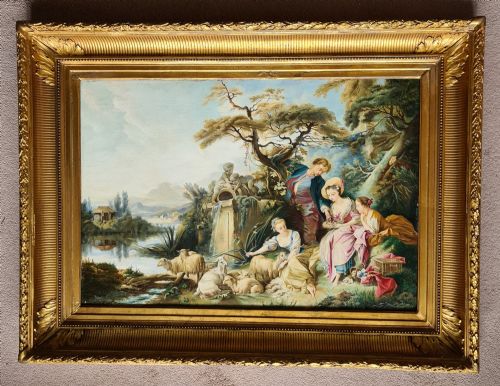
Compositions often draw upon the manner or influence of celebrated masters such as Claude Lorrain, Jacob Philipp Hackert, and Francois Boucher.
What varies in quality
Quality separates through the dexterity of brushwork in complex foliage and figures, alongside the harmony of perspective within the idealized architectural elements.
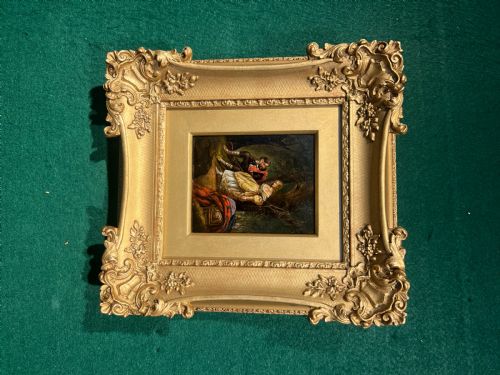
The preservation of the original canvas support and the integrity of the surrounding giltwood or gesso frame also influence the standing of an individual piece.
The selection spans from seventeenth-century Dutch school panels to nineteenth-century romantic canvases rendered in oil on canvas or wood.
Angelo Maria Crivelli·Francois Boucher·Jacob Philipp Hackert·Jan Miel·John Ferneley Senior·Cornelis Van Poelenburgh·Thomas Edward Roberts·John Hamilton Mortimer·Jean-Baptiste Joseph Pater·Giovanni Paolo Panini·Claude Lorrain·Frederick Waters Watts·Carl Adolf Mende·Eugene Verboeckhoven·Pieter Bout·Adriaen Frans Boudewyns·Pierre Emmanuel Dielmans·Francesco Zuccarelli·Jan Evert Morel
The Classical Oil Landscape Glossary
- Grand Tour
- A cultural journey undertaken by wealthy young Europeans through France and Italy, which frequently inspired the acquisition of classical landscape paintings.
- Oil on Canvas
- A traditional painting medium where pigmented oil is applied to a stretched woven fabric support, allowing for rich colour blending and texture.
- Italianate
- A stylistic approach adopted by northern European artists who incorporated the warm light, classical architecture, and topography of Italy into their scenery.
- Giltwood
- Wood that has been decorated with a thin layer of gold leaf or gold paint, commonly utilised for ornate period picture frames.
- Old Master
- A term applied to European painters of high skill working before the nineteenth century, often associated with established continental schools.
Classical Oil Landscape: Frequently Asked Questions
What defines a classical landscape painting?
A classical landscape painting portrays an idealized view of nature, typically featuring balanced compositions with trees, winding rivers, and ancient architectural ruins.
These scenes frequently incorporate mythological characters, shepherds, or travellers to evoke a sense of harmonious antiquity and pastoral tranquility.
Where were these paintings displayed?
Historically, these artworks hung in the grand reception rooms and galleries of country houses, town residences, and institutional collections.
Collectors during the eighteenth and nineteenth centuries utilised them to signal cultural sophistication and an appreciation for classical history.
How do I care for an antique oil painting?
Protect the canvas from direct sunlight and maintain stable room temperatures to prevent the oil paint and wooden stretcher from warping or cracking.
Dust the surface gently with a soft, dry brush and avoid using liquid cleaners or water on the aged paint layers.
How do I identify a period frame?
Period frames often display hand-carved wooden ornamentations coated in gesso and finished with genuine gold leaf applied over bole.
Examining the construction joints at the reverse helps determine whether the frame is contemporary to the canvas or a later replacement.