


Classical Mythology Art Print
A classical mythology art print brings ancient deities, architectural antiquities and timeless narratives onto paper and canvas for the wall.
Classical Mythology Art Print
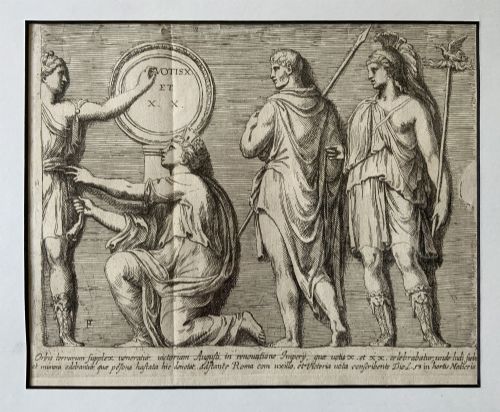
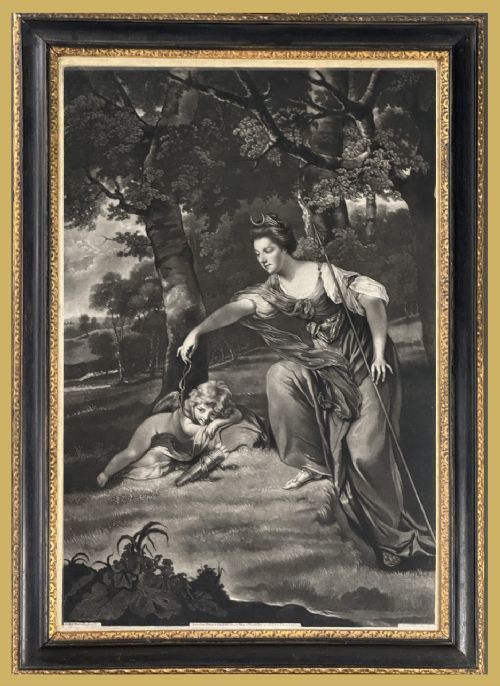
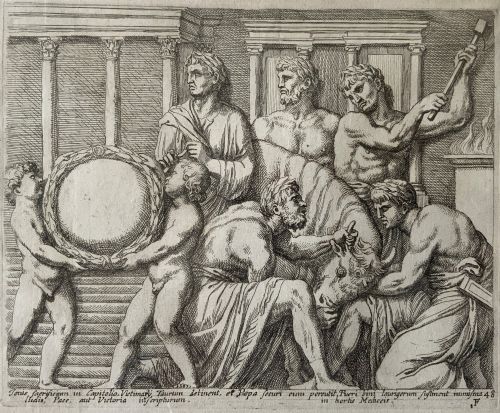
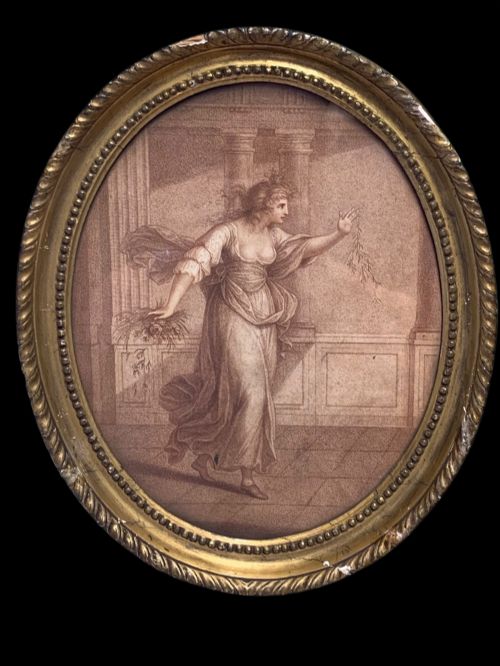
A classical mythology art print gathers works depicting ancient Greek and Roman gods, heroic figures and architectural antiquities. These pieces include mezzotints, stipple engravings, etchings and chromolithographs produced across several centuries.
The selection ranges from seventeenth-century baroque interpretations and eighteenth-century Grand Tour architectural plates to nineteenth-century depictions and twentieth-century oil paintings. Subjects span mythological figures such as Diana, Pan, Eros, Syrinx and Perseus.
Buyers encounter framed prints, fine art prints and oil paintings housed in period wooden or gilt frames. These items capture classical narratives through detailed graphic lines and painted pigment.
Materials and techniques
Printmakers utilised paper surfaces combined with ink to pull fine engravings, etchings and chromolithographs from copper plates and lithographic stones. Skilled hands applied gold leaf and giltwood to frame the finished sheets.
Painters employed oil on canvas to create works like twentieth-century realist mythologies and Victorian classical scenes. Period walnut and gilt frames completed the physical presentation of these works.
Zephyros, Apeliotes and Boreas bring ancient winds straight into the room.
Evaluating quality
Quality rests in the precision of the plate impression and the fidelity of the line work. Sharp, clear lines in seventeenth and eighteenth-century engravings reflect superior execution by master printmakers.
The grade of the surrounding frame, such as period walnut or detailed giltwood, contributes significantly to the integrity of the piece. Well-preserved paper surfaces without heavy degradation distinguish finer examples.
James Watson·Sir Joshua Reynolds·François Perrier·Margaret Maitland Howard·John Flaxman·Arthur Hacker·Andrea Mantegna·James Basire·Edward Rooker
The Classical Mythology Art Print Glossary
- Mezzotint
- A printmaking process where the copper plate is roughened to achieve rich tonal gradations. This technique allows for subtle shifts in light and shadow across portraiture.
- Stipple engraving
- A method of creating prints by dotting the plate rather than using continuous lines. It produces soft, painterly flesh tones and delicate contours.
- Chromolithograph
- A colour lithographic printing technique using multiple stones to build up complex hues. This process creates vibrant multi-coloured reproductions of historic works.
- Grand Tour
- The traditional overseas journey undertaken by European elites to study classical antiquity. Souvenirs from this travel often included architectural engravings and plates.
- Neoclassical
- A style reviving classical Greek and Roman aesthetic principles through balanced composition and formal restraint. This movement heavily influenced eighteenth-century art and design.
Classical Mythology Art Print: Frequently Asked Questions
What periods do these prints cover?
The works span from the seventeenth century through the eighteenth and nineteenth centuries into the early twentieth century. Examples include seventeenth-century baroque etchings and eighteenth-century architectural plates.
Later pieces reflect Victorian classicism and twentieth-century British realism. Each period brings distinct printing techniques and stylistic interpretations to the mythological subject matter.
How were these artworks framed?
Many prints survive in period wooden frames, including walnut and giltwood constructions. These frames often reflect the decorative tastes of the era in which the print was published or collected.
Gold leaf and gilt finishes accentuate the classical subjects. Original frames help preserve the historical context of the artwork.
What subjects appear in the prints?
Depictions include Greek and Roman gods, architectural antiquities from Athens and Herculaneum, and literary scenes from Homer's Odyssey. Figures such as Diana, Pan, Perseus and Eros frequently appear.
Narratives range from Ovidian myths like Pygmalion to architectural studies of the Tower of the Winds. These subjects reflect an enduring fascination with classical antiquity.
Are these works original prints?
The selection comprises period engravings, etchings, mezzotints and chromolithographs produced across multiple centuries. Artists and printmakers created these using traditional press methods on paper.
Some listings include original oil paintings on canvas alongside the printed works. Each medium demonstrates the technical standards of its respective era.