





Classical Figure Canvas Picture
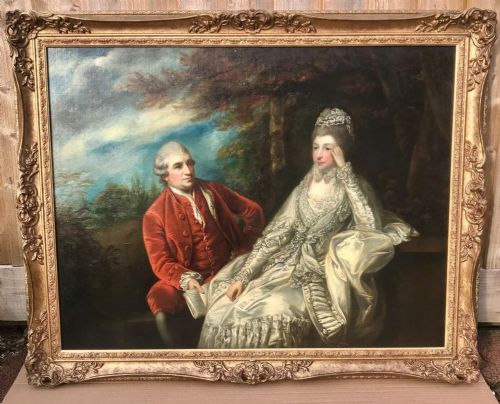
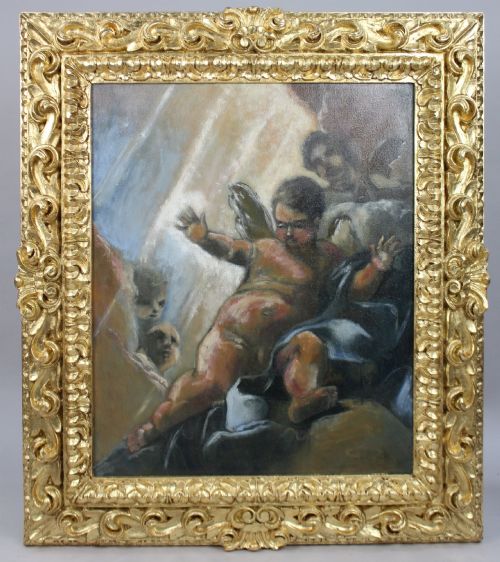
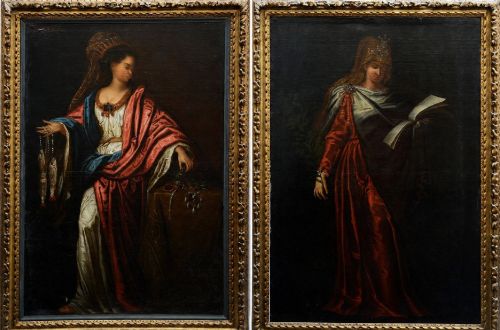
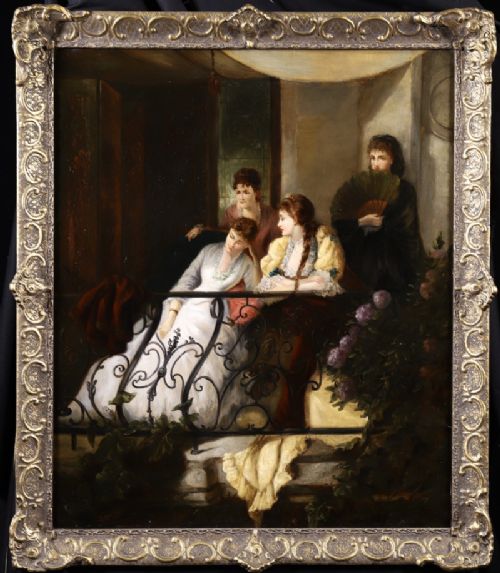
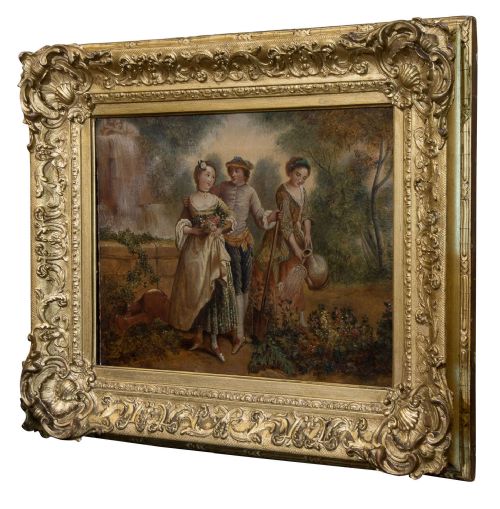
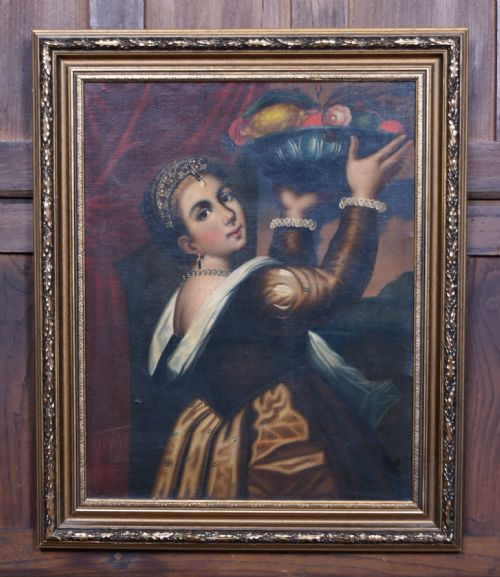
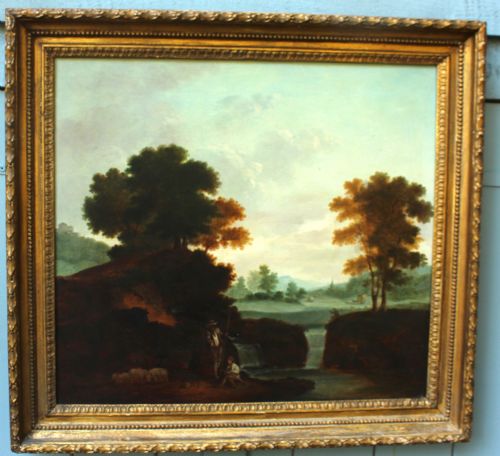
A classical figure canvas picture brings historical and mythological subjects into a room through oil paint on stretched fabric, framed in carved giltwood.
Classical Figure Canvas Picture
When you search for a classical figure canvas picture, you find oil paintings depicting mythological, historical, or pastoral subjects on canvas. These works range from seventeenth-century Italian canvases to nineteenth-century British realists and mid-century Renaissance style interpretations.
The version most commonly met on this page is an oil painting on canvas, often set within a gilt wood, gesso, or carved giltwood frame. Subjects stretch from portraits and groups of figures to mythological scenes involving deities and classical narratives.
Origin schools span British, French, and Italian traditions, encompassing both named artists and studio circles or broader European schools. Dating stretches across multiple centuries, from the seventeenth century through to the twentieth century.
Materials and technique
These works rely on oil paint applied to woven canvas supports, allowing artists to build rich layers of pigment and glaze. Painters handled light and shadow to model classical figures and landscape details across the surface.
Frames play a structural and aesthetic role, frequently constructed from wood finished with gesso, gold leaf, and intricate carving. Giltwood and gilt wood mouldings complete the presentation of these oil paintings.
Listed periods span from the seventeenth century through the eighteenth and nineteenth centuries into the twentieth.
Differences in quality
Quality rests in the handling of the figure's anatomy, expression, and integration into the surrounding landscape or interior setting. Stronger works demonstrate confident brushwork and depth in the oil medium.
The execution of the frame contributes significantly to the overall piece, with hand-carved giltwood and gesso frames showing superior craftsmanship compared to simpler mouldings.
Joshua Reynolds·Margaret Maitland Howard·Hermann Armin Kern·Pietro D'asaro·Richard Wilson·Abraham Cooper
The Classical Figure Canvas Picture Glossary
- Oil on Canvas
- Pigment mixed with drying oil applied to a woven fabric support stretched over a wooden frame. This method allows for subtle blending and rich colour depth.
- Giltwood
- Wood carved and covered with a thin layer of gold leaf or metal leaf. It provides a reflective, ornate border for traditional paintings.
- Gesso
- A paint mixture consisting of a neutral binder mixed with chalk, gypsum, or pigment. It prepares wooden frames for gilding and carving.
- Circle of
- A term used when a painting is not by the master's own hand but shows the distinct influence and studio practice of that named artist.
- Italianate
- A style of art and architecture inspired by Italian models, particularly the landscape and classical ruins of the Roman campagna.
Classical Figure Canvas Picture: Frequently Asked Questions
How old are these canvas paintings?
The dates span from the seventeenth century up to the mid-twentieth century, encompassing periods like the Victorian era and the seventeen hundreds.
Each piece reflects the painting conventions and framing styles of its specific century of creation.
What subjects do the figures represent?
Subjects include mythological figures, classical deities, pastoral scenes with figures, and historical narratives.
Portraiture and character studies of musicians or everyday figures also appear among the selections.
Are the frames original to the paintings?
Many works are housed in period frames made of carved giltwood, gesso, and gold leaf that complement the oil canvas.
These frames often match the artistic style and age of the painting they enclose.
What does European school mean?
European school refers to works created by artists working within the broader continental traditions whose exact nationality or individual identity remains unrecorded.
Such attribution groups paintings by regional style rather than a specific named master.