




Classical Metal Candle Stands
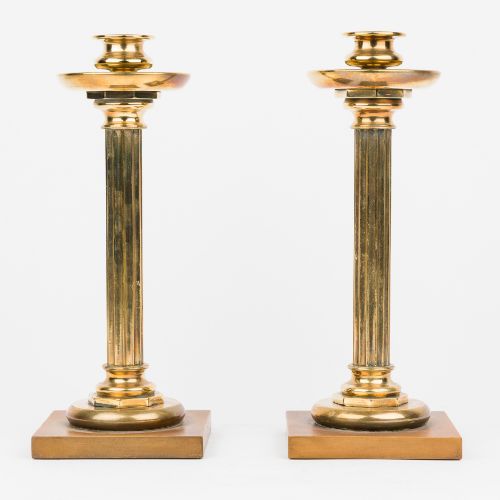
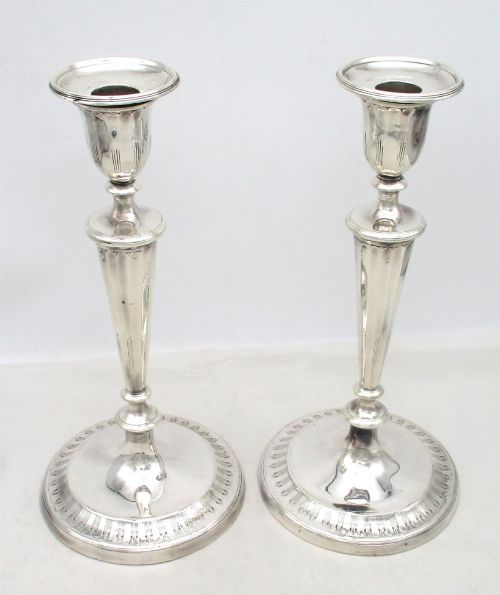
These classical metal candle stands bring genuine presence to a room, cast in bronze, brass, and ormolu to catch the flickering light.
Classical Metal Candle Stands
Classical metal candle stands encompass candlesticks, candelabra, and standard lamps fashioned in enduring metallic compositions. When exploring classical metal candle stands, expect to encounter pairs designed for mantelpieces, sideboards, and formal dining tables.
The selections span distinct historical eras, ranging from Georgian and Regency creations to Victorian interpretations. English and continental workshops produced these objects to illuminate interiors before electricity transformed domestic life.
Forms vary from single-stem candlesticks to multi-armed candelabra and taller floor-standing lighting fixtures. Many incorporate figural elements or architectural motifs drawn from classical antiquity.
How they were made
Foundry workers utilised casting techniques in brass, bronze, and gilt bronze to achieve crisp botanical and architectural details. Molten metal poured into moulds allowed artisans to create complex, decorative forms that were subsequently chased and finished by hand.
Ormolu application involved fire-gilding copper or bronze alloys with a mercury and gold amalgam to produce a rich, durable golden surface. Patinated metal finishes were similarly achieved through chemical treatments to darken surfaces and create tonal contrast against gilded highlights.
Classical Metal Candle Stands Retail Price Guide 2026
Typical asking prices for classical metal candle stands among the pieces listed under this phrase on Sellingantiques today, from the lower quarter to the upper quarter. They describe what is for sale here now, not the wider market.
Some tall brass stands doubled as silent dinner companions, holding steady while the tallow melted down through the long evening.
What varies in quality
Weight and construction integrity define the underlying substance of the object. Heavier gauges of brass and bronze, alongside secure mechanical joints between components, indicate a higher standard of manufacture.
The Classical Metal Candle Stands Glossary
- Ormolu
- A gilded bronze surface created by applying a mercury and gold amalgam to a cast bronze base. This technique produces a deep, lasting lustre characteristic of French Empire and Regency pieces.
- Pricket
- A sharp spike at the top of a candlestick designed to secure a candle rather than fitting inside a socket. These are frequently found on ecclesiastical or heavier devotional stands.
- Candelabra
- A branched lighting fixture holding multiple candles simultaneously. They often feature removable upper arms to allow conversion into simple candlesticks.
- Patinated metal
- Metal treated with heat or chemicals to alter its surface colour and tone. This process darkens raw bronze or brass to accentuate decorative relief.
Classical Metal Candle Stands: Frequently Asked Questions
What periods do these metal candle stands come from?
The listings include examples spanning the Georgian, Regency, and Victorian eras, alongside early twentieth-century pieces.
Craftsmen across these periods drew heavily upon classical antiquity for their ornamental vocabulary.
How were these stands used originally?
Wealthy households relied on them to illuminate formal rooms before the advent of gas and electric lighting. Multiple arms and polished bronze surfaces helped maximise the available light from beeswax or tallow candles.
They served as permanent decorative fixtures on dining tables, mantelpieces, and sideboards.
How do I care for antique brass and bronze?
Gentle dusting with a soft, dry cloth is usually sufficient for regular maintenance. Avoid aggressive chemical polishes that strip away the historical patina and damage delicate fire-gilding.
Preserving the original surface skin maintains the visual depth of the metal.