





Classical Maiden Statuette
A classical maiden statuette brings antique sculptural form into a room, capturing mythological and historical subjects in miniature.
Classical Maiden Statuette
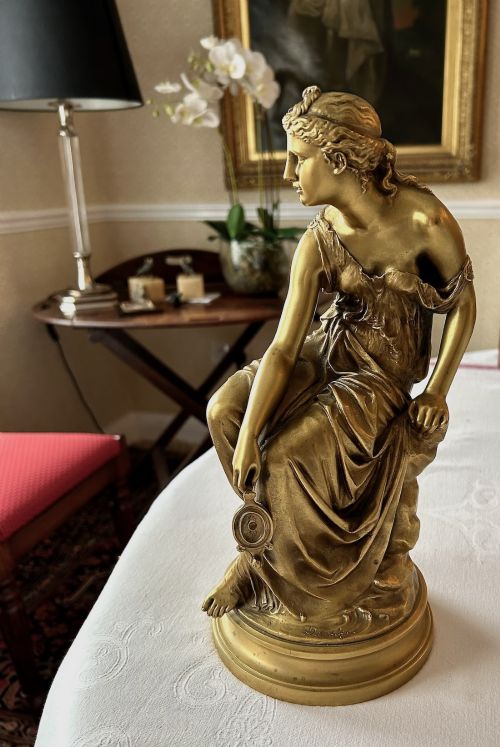
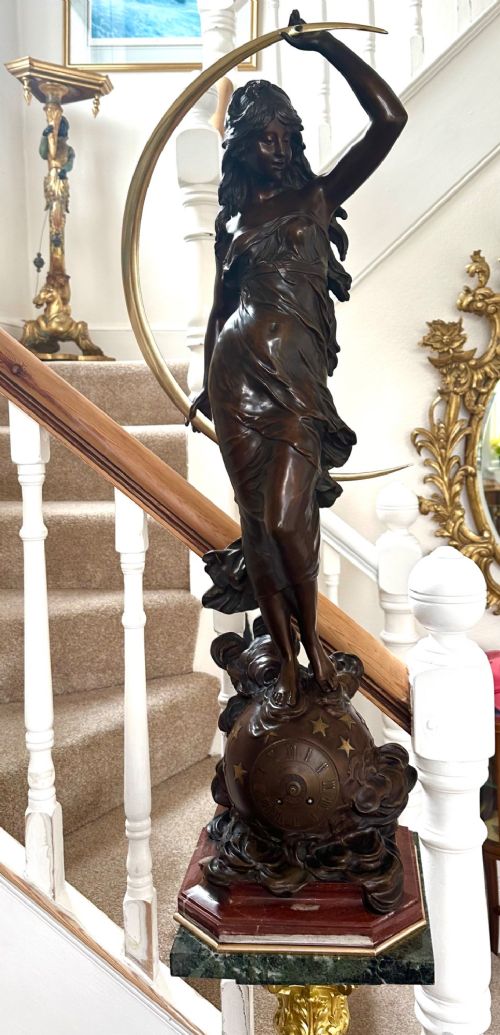
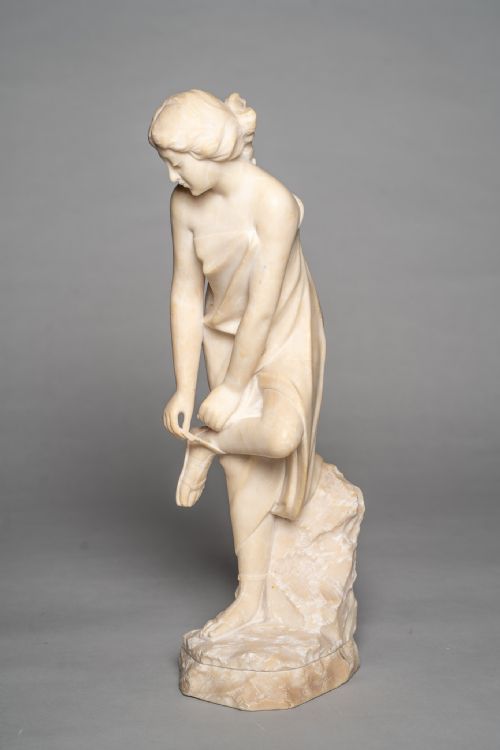
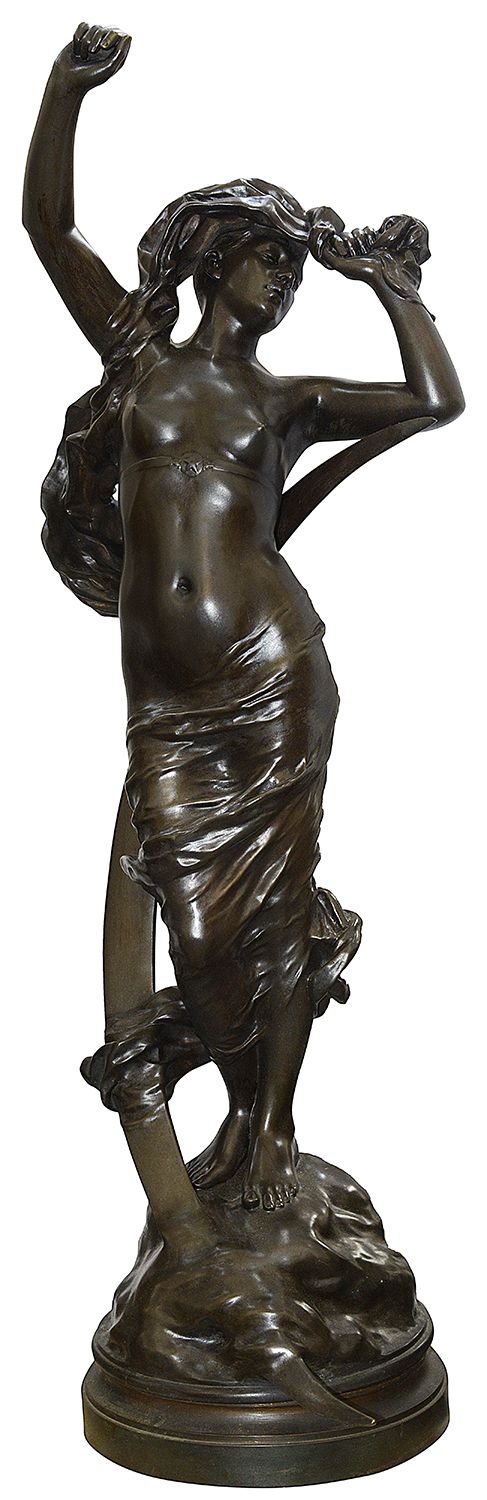
A classical maiden statuette represents female figures in bronze, porcelain, marble, and alabaster, taking the form of figurines, busts, and sculptural groups. These works draw heavily upon neoclassical and Victorian classical revival aesthetics, interpreting ancient themes through nineteenth and early twentieth-century hands.
The objects span varied domestic scales, from cabinet-sized parian ware figures to larger bronze and carved stone sculptures. Makers rendered these subjects with attributes such as baskets of grapes, doves, cornucopias, and jugs, anchoring the sculptural traditions of the nineteenth century.
Materials and construction methods
Foundry-cast bronzes utilise patinated and gilt finishes to define drapery and hair, often bearing signatures from established French and European workshops. Workers chased and finished these metal surfaces by hand after casting.
Ceramic examples employ parian porcelain and standard porcelain bodies, capturing matte or glazed surfaces that mimic carved marble. Alabaster and marble pieces rely on hand-carved detailing to shape the fluid contours of robes and natural elements.
Listings feature works spanning the nineteenth and early twentieth centuries, encompassing Victorian, Art Nouveau, and neoclassical stylistic influences.
Factors determining sculptural standard
The crispness of the chasing in bronze and the depth of carving in marble and alabaster distinguish finer examples from standard production pieces. Detail in facial expression, hair texture, and the fall of fabric dictates the overall visual command.
Signed works from notable bronze founders and porcelain manufactories demonstrate superior material selection and finishing discipline. The integration of base materials, such as china mounts or multi-media components, further separates standard figurines from masterworks.
Etienne-Henri Dumaige·Moreau Family·August Moreau·Royal Worcester·Copeland·Houdebine·Royal Dux
The Classical Maiden Statuette Glossary
- Parian ware
- A fine-grained, unglazed porcelain developed to imitate carved marble, frequently utilised for nineteenth-century figurative statuary. It takes its name from the white marble of Paros.
- Patinated bronze
- Metal sculpture treated with chemical solutions to produce a specific surface colour and tone. This process protects the bronze while enhancing sculptural depth.
- Neoclassical
- An artistic movement drawing inspiration from the classical art and culture of ancient Greece and Rome. It emphasises symmetry, proportion, and mythological subjects.
- Alabaster
- A soft, translucent stone used extensively for carved sculptural vessels and figures. Its natural permeability allows light to penetrate the surface slightly.
Classical Maiden Statuette: Frequently Asked Questions
What materials are these statuettes made from?
These pieces appear primarily in cast bronze, parian porcelain, marble, and carved alabaster. Individual makers selected materials based on the desired scale and finish.
Some examples incorporate gilt surfaces, enamel details, or ceramic bases to support the main sculptural body.
How do I identify a nineteenth-century piece?
Examine the signature, foundry marks, and the specific style of the drapery and hair. Nineteenth-century works often reflect neoclassical or Victorian classical revival canons.
Material composition, such as nineteenth-century parian ware or traditional bronze patination, also aids in dating the statuette.
Where were these sculptures produced?
The evidence points to French and Italian workshops alongside English porcelain manufactories. European founders and ceramic houses dominated production during the Victorian era.
Grand Tour pieces specifically reflected continental travels undertaken by collectors of the period.
How do I display a marble or bronze statuette?
Position these figures on stable surfaces where their weight and material can be appreciated safely. Heavier marble and alabaster pieces require secure, level placement.
Keep them away from direct heat sources to protect sensitive finishes and natural stone.