

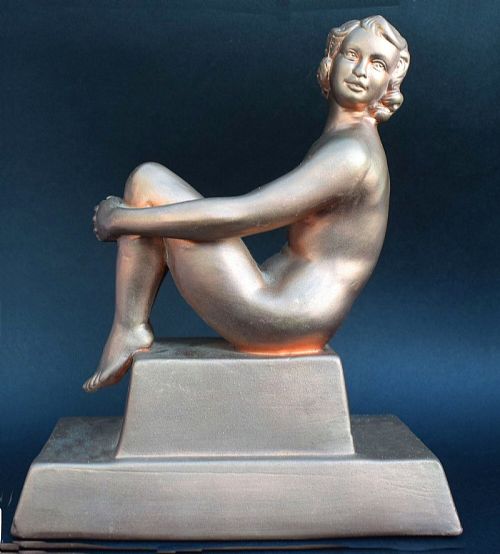


Antique Female Statuette
An antique female statuette brings classical mythology, Art Deco dancers and Victorian allegories into domestic spaces through bronze, marble and porcelain.
Antique Female Statuette
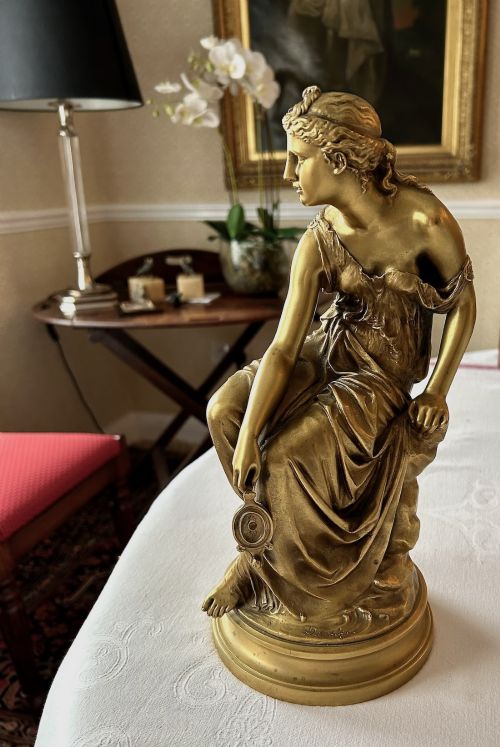
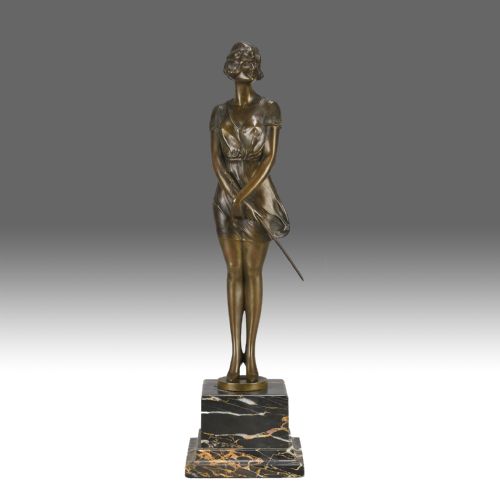
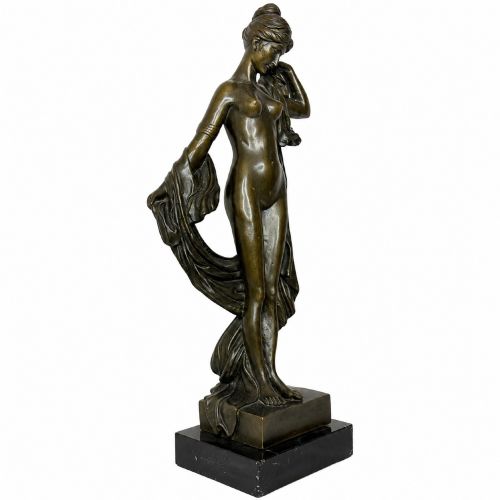
An antique female statuette captures figures ranging from mythological deities and classical maidens to Art Deco dancers and street vendors. Buyers searching this phrase meet cast metal figures, carved stone pieces and ceramic sculptures produced across the nineteenth and early twentieth centuries.
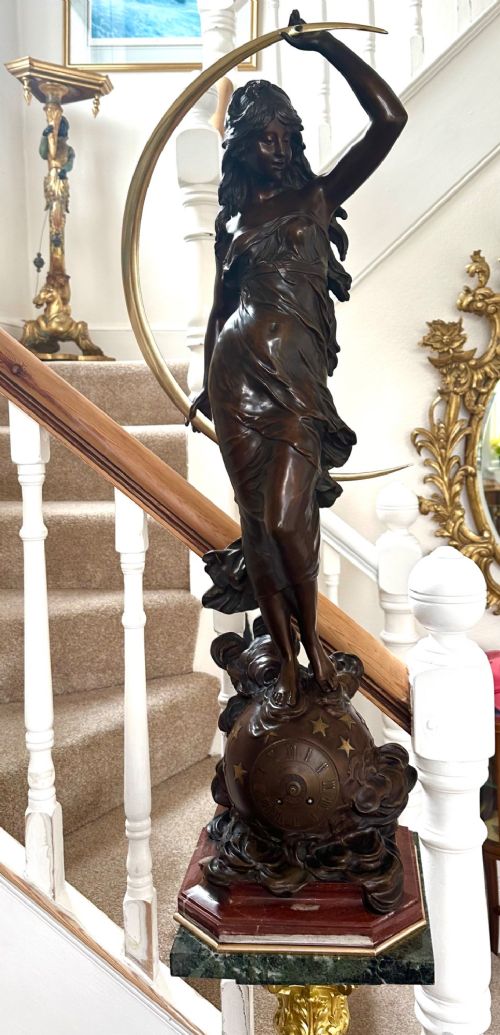
The selections span distinct periods, including Victorian neoclassical works, Art Nouveau organic forms and 1920s and 1930s Art Deco dancers. French bronze foundries and European porcelain manufactories dominate the physical output seen in these selections.
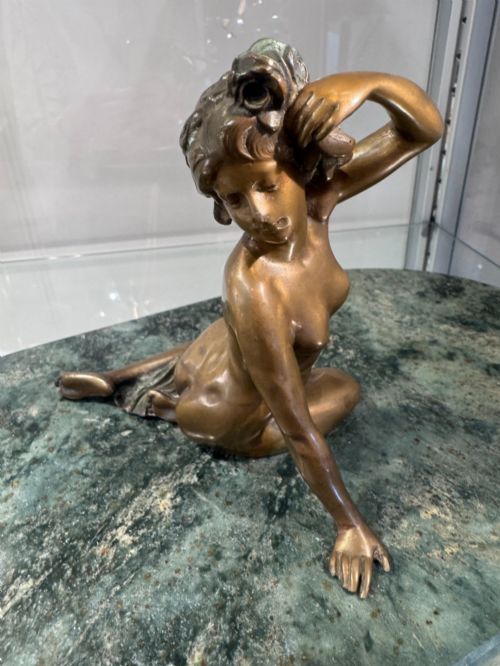
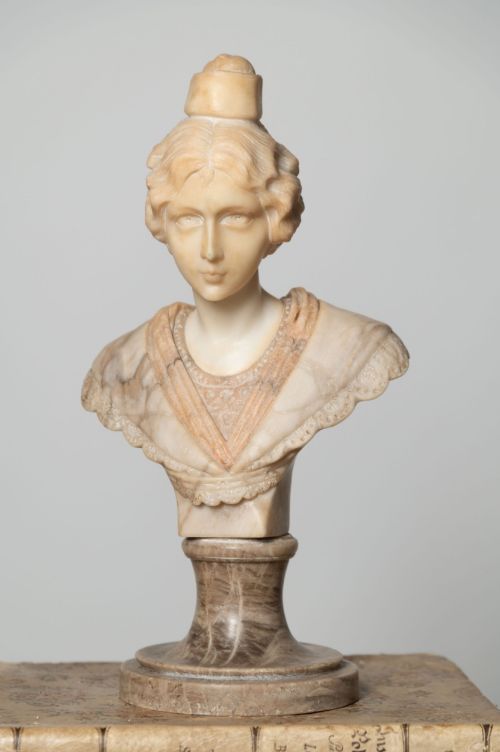
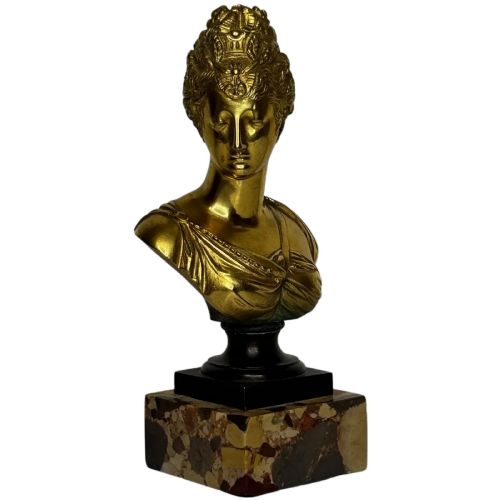
Forms vary from full-length dancing figures and seated nudes to portrait busts and allegorical representations mounted on marble or onyx bases. Each piece translates the human form through the specific aesthetic lens of its decade of creation.
Assessing the work
The integration between the figure and its base separates standard commercial production from masterworks, particularly in how securely a bronze or marble statuette mounts to its stone plinth. Signed bases and foundry cachets provide documentary weight that elevates the standing of an individual piece.
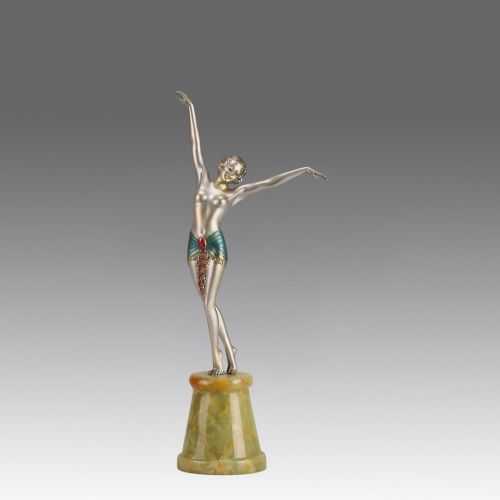
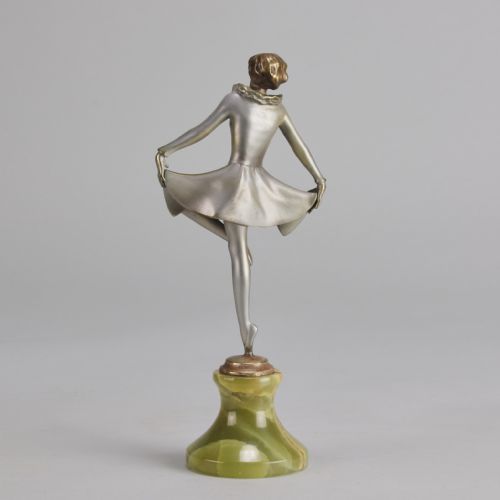
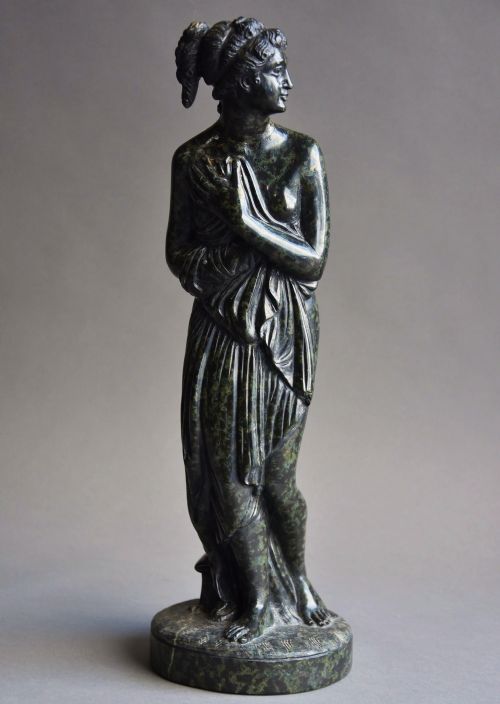
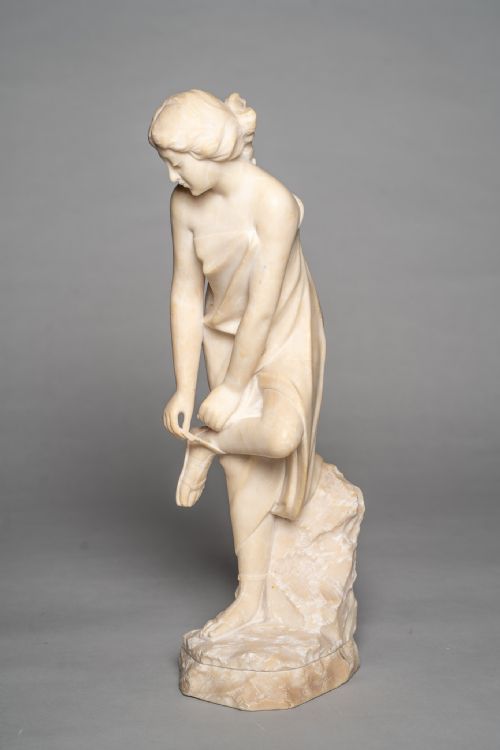
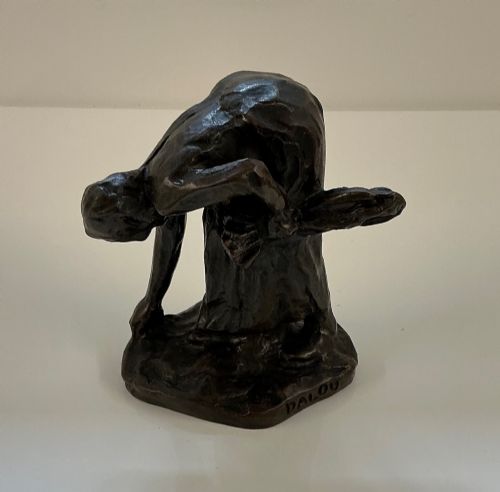
Sculptures range from classical maiden busts to dynamic 1930s dancer figures.
Etienne-Henri Dumaige·Rudolf Küchler·Bruno Zach·Ferdinand Preiss·Josef Lorenzl·August Moreau·Jules Dalou·Georges Van Der Straeten·Antonio Canova·Fritz Kochendorfer·Demetre H. Chiparus·Lucille Sevin·Auguste Moreau·Sylvain Kinsburger·Anders Zorn
The Antique Female Statuette Glossary
- Cold-painted bronze
- A metal sculpture painted with oil or enamel colours after casting, rather than subjected to high-heat firing. This technique was widely practiced by Viennese foundries and Art Deco sculptors to render vibrant costumes.
- Parian ware
- A fine-grained, unglazed biscuit porcelain developed in the nineteenth century to imitate carved marble. It gained popularity for white classical statuary and portrait busts.
- Grand Tour
- A nineteenth-century cultural journey undertaken by wealthy Europeans seeking classical art and smaller bronze or serpentine copies of ancient sculptures. These souvenir statuettes often depict famous statues from Italian collections.
- Lost-wax casting
- A metalworking process where a molten metal is poured into a mould that has been created by melting away a wax model. This method allows for intricate undercut details and fine surface textures.
- Patinated bronze
- A metal surface treated with chemical solutions to produce a controlled aged finish or colouration. The resulting tones range from deep browns to greenish verdigris.
Antique Female Statuette: Frequently Asked Questions
What materials are common?
Sculptures from this category appear primarily in bronze, carved marble, alabaster and various types of porcelain including parian ware and bisque. Many metal figures incorporate painted enamel surfaces and rest on heavy stone bases.
Foundries also utilised onyx and serpentine for architectural plinths that elevate the main figural composition.
How do I identify Art Deco pieces?
Art Deco statuettes from the 1920s and 1930s typically feature stylised geometric lines, athletic female dancers and modern costume details. Artists like Josef Lorenzl and Ferdinand Preiss captured motion with dynamic poses and slender proportions.
These works often combine cold-painted bronze with ivory substitutes or onyx bases, marking a clear departure from Victorian realism.
What is a Grand Tour sculpture?
Grand Tour pieces are nineteenth-century bronze or stone reductions of famous classical antiquities collected by travellers in Italy. They served as scholarly mementos of educational journeys through European cultural centres.
Subjects frequently include mythological figures like Venus and classical dancers cast after ancient marble originals.
How should I display a statuette?
Place figures on stable, level surfaces away from direct sunlight and excessive humidity to protect patinated metal and painted enamel. Ensure the weight of stone or bronze pieces is supported adequately by sturdy furniture.
Keep display areas free from abrasive cleaners, using only a soft dry cloth for routine dusting.