
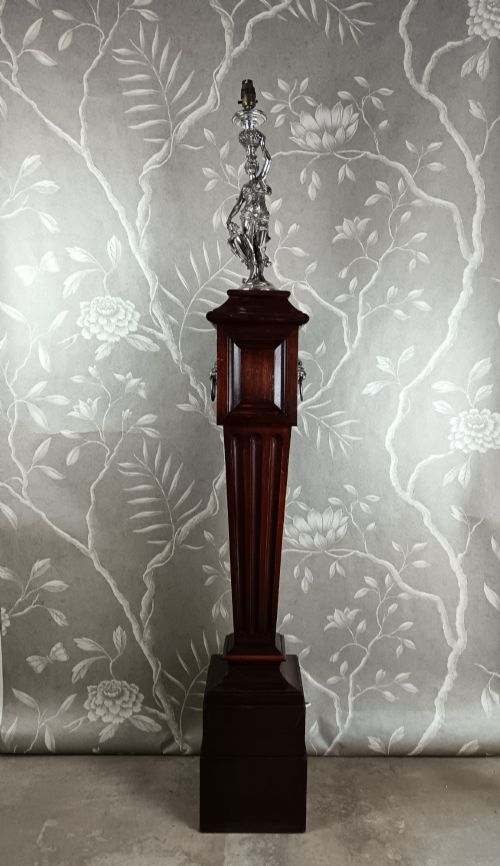


Classical Mahogany Column
A classical mahogany column brings architectural dignity and structural presence to a room, functioning as a pedestal, support, or decorative pillar.
Classical Mahogany Column
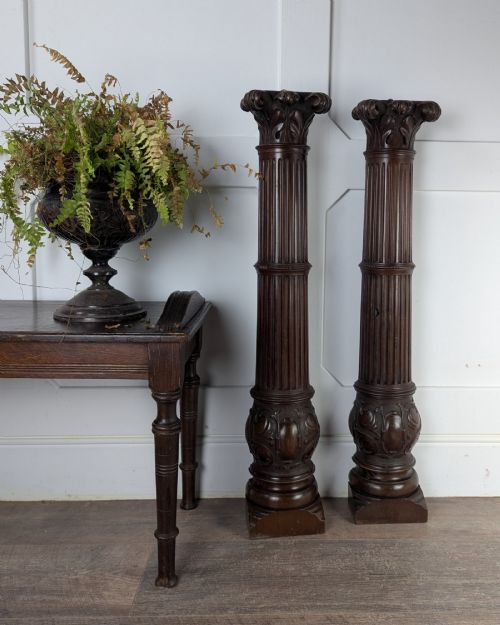
A classical mahogany column encompasses structural supports, architectural salvage, and display pedestals rooted in nineteenth-century design. These pieces draw on Regency, Victorian, and French Empire styles to introduce formal verticality into interiors.
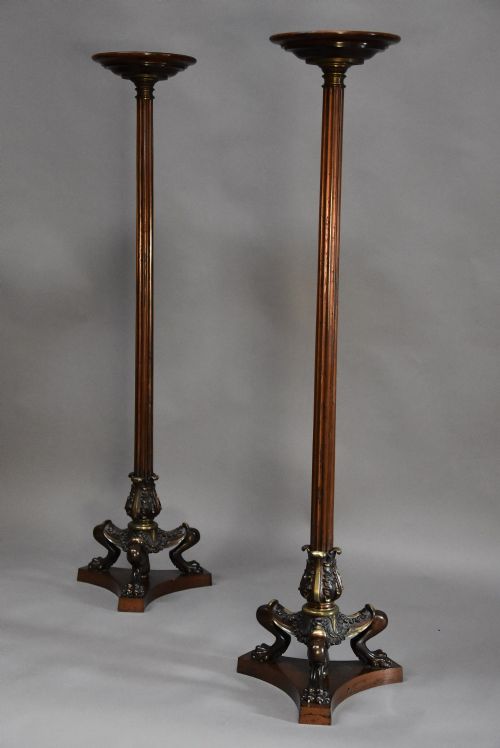
The version most commonly met on this page is the freestanding pedestal or torchere, often shaped from solid mahogany or flame mahogany veneer. Such pieces frequently incorporate brass, marble, or bronze details to mirror ancient architectural orders.
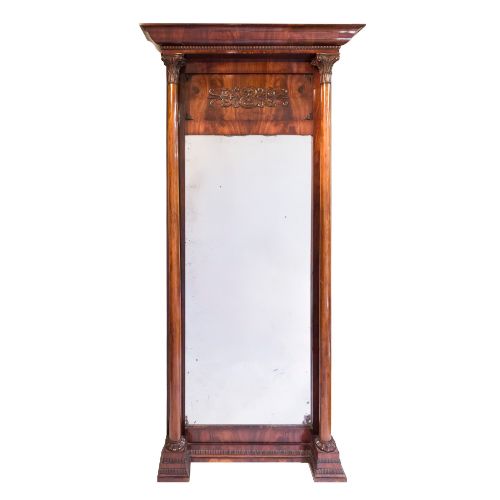
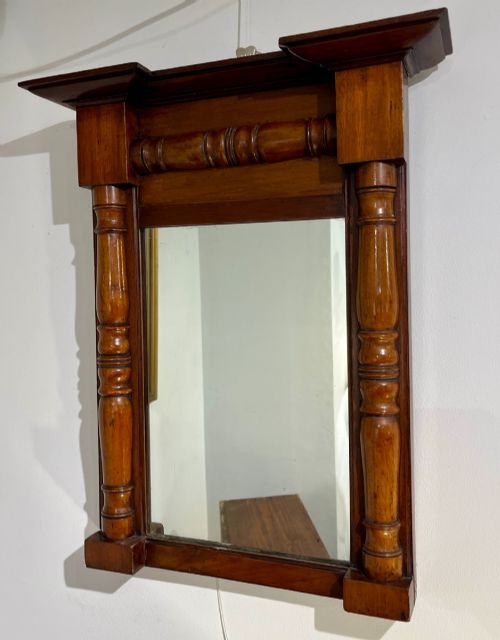
Beyond standalone pillars, the listings include console tables, pier mirrors, and portico clocks that integrate columnar forms into functional furniture. These items reflect the enduring nineteenth-century fascination with classical antiquity and neoclassical proportions.
Distinctions in quality and execution
The caliber of a classical mahogany column rests on the selection of the timber and the depth of its carving. Flame mahogany veneer displays vibrant, symmetrical figuring, whereas lesser examples rely on plain or uniform boards with minimal visual movement.
Proportion and architectural correctness set finer pieces apart from utilitarian work. Superior columns adhere strictly to classical orders in their capitals and bases, executed by hands with a firm grasp of Regency or Empire design principles.
The integration of secondary materials such as statuary marble tops, heavy cast bronze mounts, and cast brass detailing signals elevated workshop production. Thoughtful joinery ensures that tall pedestals and torcheres remain stable and plumb over centuries of use.
Materials recur across forms, pairing mahogany and flame mahogany veneer with marble, brass, bronze, and ormolu.
The Classical Mahogany Column Glossary
- Torchere
- A tall, slender stand designed to support a lamp, urn, or candle. These pieces often take the form of a classical column.
- Ormolu
- Gilt bronze mounted onto furniture or architectural elements. This decorative technique creates rich metallic highlights against dark mahogany.
- Pier mirror
- A tall mirror designed to hang on the wall space between windows, frequently paired with a console table or column structure underneath.
- Flame mahogany veneer
- A sliced layer of timber cut from the point where branches join the trunk, yielding a distinctive flickering flame pattern.
- Neoclassical
- A style spanning the late eighteenth and nineteenth centuries that revived the architectural motifs of ancient Greece and Rome.
Classical Mahogany Column: Frequently Asked Questions
What were classical mahogany columns used for?
These pieces served multiple functions in nineteenth-century interiors, acting as structural supports, display stands for sculpture, and bases for lighting.
Tall torcheres and pedestals elevated decorative objects to eye level, while architectural columns integrated directly into console tables, pier mirrors, and portico clocks to project classical authority.
How do I style a column in a modern room?
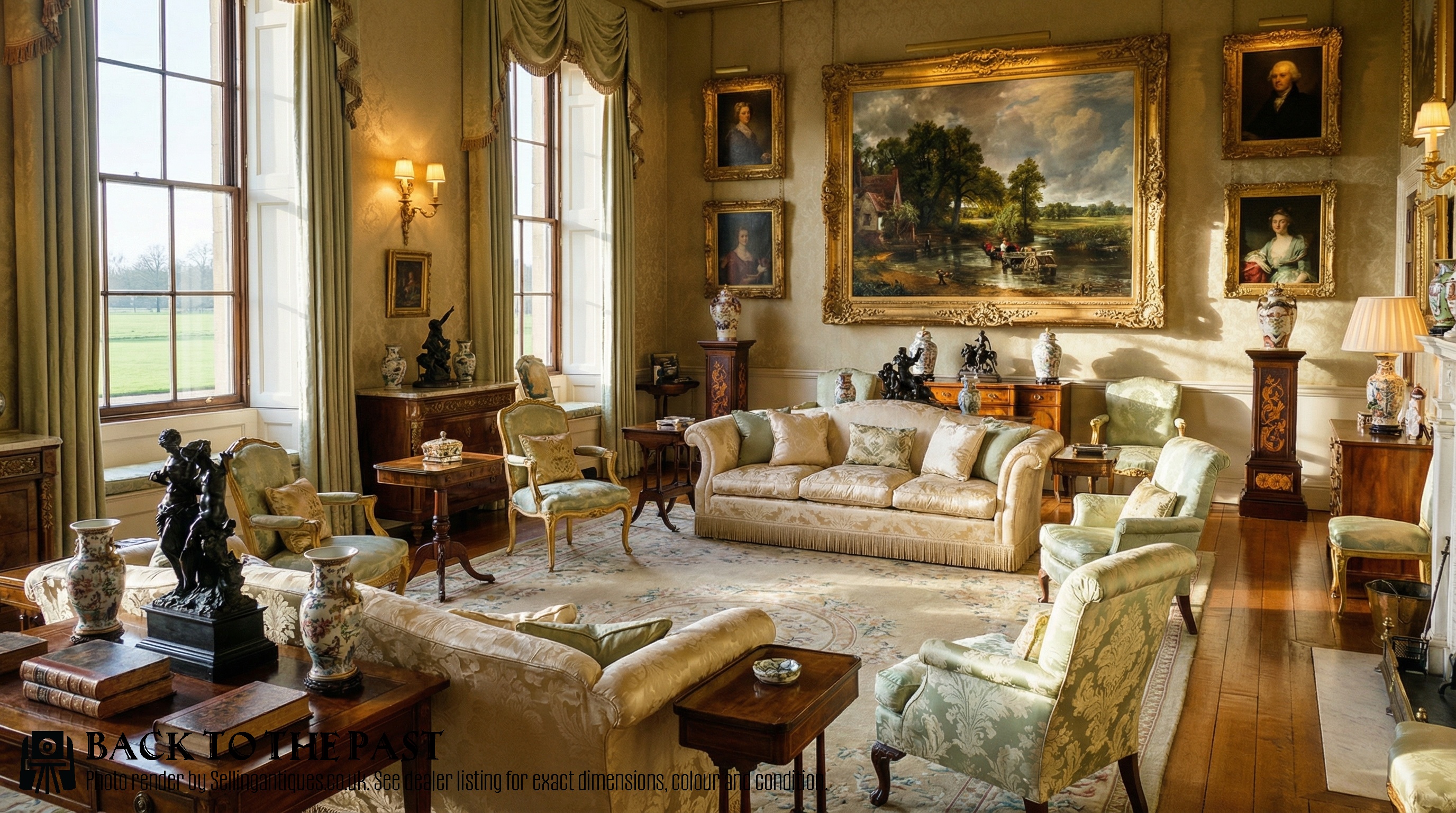
A standalone pedestal or torchere functions effectively as an anchor in an empty corner or beside seating. Placing a ceramic vessel, bronze, or lamp upon the top creates an immediate focal point.
Shorter column-form tables and cabinets suit hallways or living spaces where they introduce architectural line without overwhelming the floor area.
How do I distinguish Regency from Victorian columns?
Regency pieces typically display strict adherence to classical antiquity, drawing inspiration from Greek and Roman architecture with crisp carving and restrained brass mounts.
Victorian examples often expand upon these forms with heavier proportions, bolder turnings, and more exuberant ornamentation influenced by later revival styles.
Are these columns solid mahogany?
Construction methods vary according to the form and date of the piece. Many pedestals and architectural elements utilise solid hardwoods, while larger surfaces frequently employ flame mahogany veneer laid over secondary timbers.
Secondary woods such as pine appear on internal or grain-painted elements, ensuring structural stability without sacrificing the polished exterior appearance.